

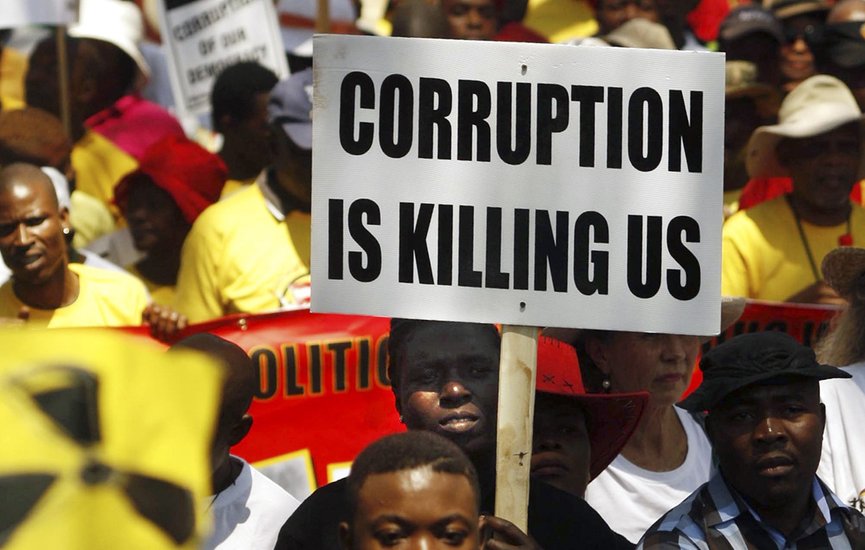
Several African countries are recording slow but measurable progress in the fight against corruption, according to recent governance and transparency assessments across the continent.
The latest findings from Transparency International indicate that while corruption remains a major challenge in many African states, some nations have improved oversight systems, strengthened anti-graft institutions, and increased public accountability.
Reforms such as digital procurement systems, stronger audit mechanisms, and whistleblower protections have helped reduce opportunities for misuse of public funds in certain countries. Civil society groups and investigative journalists have also played a key role in exposing corruption cases and pushing for reforms.
However, experts caution that progress remains uneven. Political interference, weak judicial systems, and limited enforcement capacity continue to undermine anti-corruption efforts in parts of the continent. In some regions, conflict and instability further complicate governance reforms.
Despite the hurdles, analysts say growing public demand for transparency especially among young people is driving governments to adopt stronger accountability measures. The steady, if modest, improvements suggest that while the fight against corruption is far from over, momentum for reform is gradually building across Africa.