

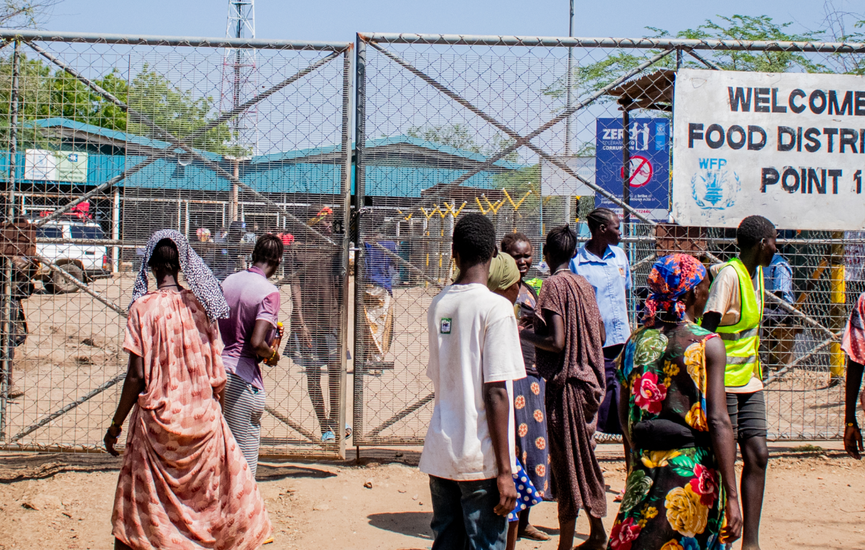
Widespread demonstrations erupted on Monday in the Kakuma Refugee Camp in north-western Kenya, as frustrations over worsening living conditions boiled over into violent unrest. Local media report that police responded by firing live ammunition at protestors, further escalating tensions in one of the world’s largest refugee camps.
The unrest was sparked by acute shortages of food and clean water, with residents alleging that basic services have drastically deteriorated in recent months. According to those living in the camp, the daily struggle for survival has intensified, leaving thousands without consistent access to essential resources.
“These are no longer just temporary disruptions. People are going days without proper meals, and clean water is becoming scarce,” said one camp resident, who asked to remain anonymous for security reasons.
The worsening conditions coincide with significant reductions in humanitarian aid, particularly from the United States Agency for International Development (USAID). Funding cuts from the agency have had a ripple effect on camp services, resulting in reduced food rations, limited healthcare access, and unpaid workers.
Kakuma Refugee Camp, home to approximately 200,000 refugees and asylum seekers, predominantly shelters individuals fleeing conflict and instability in neighbouring South Sudan, Somalia, Ethiopia, and the Democratic Republic of Congo. According to Amnesty International, the camp has long been a symbol of both humanitarian relief and persistent neglect by global powers.
Amid the unrest, voices from within the camp reflect a growing sense of anger and disillusionment with international leadership. Mama Kayembe, a Congolese refugee, expressed deep frustration at what she sees as disproportionate blame placed on the United States, particularly former President Donald Trump.
"Since (Donald) Trump became (US) president, now Kenyans have shifted all the blame on him. Workers are not getting paid and it is blamed on Trump. No medication in hospital — it's Trump. Now we have to pay for school fees and it's Trump. Everything is Trump. We are tired of Trump," she said.
While her comment highlights a personal viewpoint, it also reflects broader concerns about the reliance on a single donor and the consequences when such support is withdrawn or reduced.
The aid cuts have not only worsened hunger but have also contributed to rising insecurity within the camp. With limited resources and increasing desperation, tensions between different communities are reportedly on the rise, raising fears of potential violence and breakdown of order.
As the humanitarian situation continues to deteriorate, aid groups and local authorities are calling for urgent international support. Without alternative funding or swift intervention, observers warn that conditions in Kakuma could spiral further out of control, jeopardizing both lives and regional stability.