

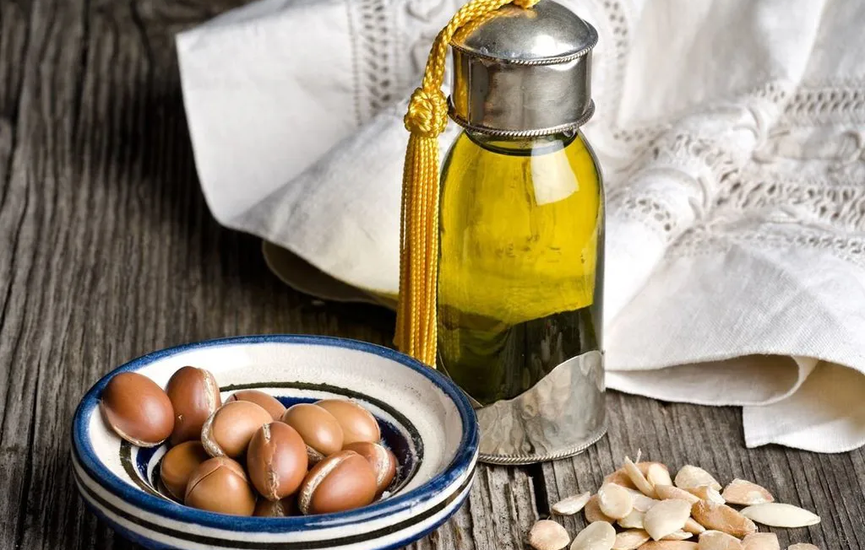
Argan oil, cherished globally as a cosmetic miracle, is much more than that in Morocco. In rural areas, it serves as a vital source of income for women, despite the growing pressure on the forests from increasing demand.
To produce the oil, women manually grind kernels over stone mills, with one kilogram taking about two days of work, earning them around $3. This modest income provides a foothold in an economy with limited opportunities while connecting them to generations of tradition.
“We were born and raised here. These traditions come from nature, what our parents and grandparents have taught us and what we’ve inherited,” said cooperative worker Fatma Mnir.
Argan oil, once a staple in local markets, is now featured in luxury hair and skin care products worldwide. However, its growing popularity is putting pressure on argan forests, with overharvesting and drought damaging trees that were once known for their resilience in tough conditions.
Hafida El Hantati, owner of a cooperative that harvests the fruit and presses it for oil, says the stakes extend beyond the trees, threatening cherished traditions. “We must take care of this tree and protect it because if we lose it, we will lose everything that defines us and what we have now,” she explained at the Ajddigue cooperative near Essaouira.
For centuries, argan trees have supported life in the arid hills between the Atlantic Ocean and the Atlas Mountains, providing food and shelter for people and animals, preserving soil, and preventing desertification. These hardy trees can survive in areas with less than an inch of annual rain and endure temperatures up to 50°C (122°F). Goats climb the trees, eat the fruit, and help spread seeds, contributing to the regeneration of the forest. Argan oil, rich in vitamin E, is used in various ways: mixed into nut butters, drizzled over tagines, and applied to dry hair and skin for moisture and protection. It is also used to treat skin conditions like eczema or chickenpox. But the forest is shrinking. Trees bear fewer fruits, and their branches are gnarled from lack of water. In many areas, cultivated land has replaced the forest, with crops like citrus and tomatoes expanding, often for export.
Traditionally, local communities managed the forests collectively, setting rules for grazing and harvesting. But this system is breaking down, with theft becoming a common problem.
The forest, which once covered 5,405 square miles (14,000 square kilometers), has decreased by 40%. Scientists warn that argan trees are not invincible. “Because argan trees acted as a green curtain protecting a large part of southern Morocco against the encroaching Sahara, their slow disappearance has become considered an ecological disaster,” said Zoubida Charrouf, a chemist who researches argan at Université Mohammed V in Rabat.
The changing climate is one factor contributing to the problem, with fruit and flowers appearing earlier each year as rising temperatures disrupt the seasons. Goats, which are vital for spreading seeds, have also become more destructive, eating seedlings before they mature. Overgrazing is worsening as herders and fruit collectors, displaced by drought, encroach on areas once designated for specific families.
Camels, bred and raised by the region’s wealthy, also threaten the trees. Their long necks allow them to reach and damage entire branches, further harming the forest.
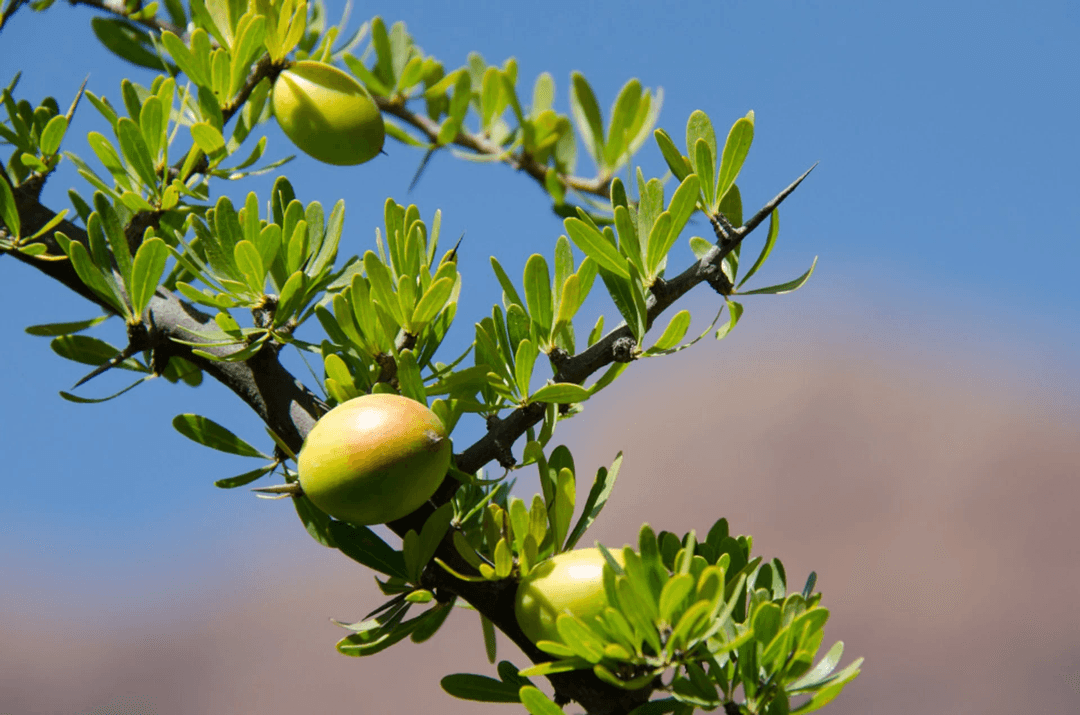
PHOTO: Courtesy
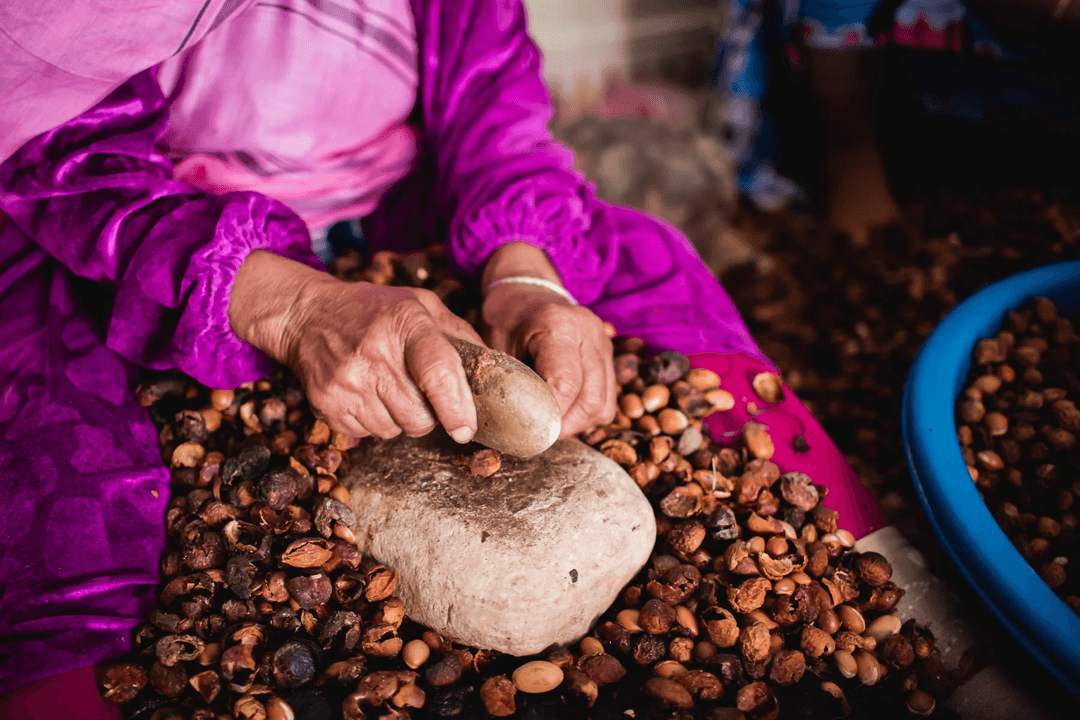
PHOTO: Courtesy
Today, women peel, crack, and press argan for oil at hundreds of cooperatives. Much of the oil is sold through intermediaries to companies like L’Oréal, Unilever, and Estée Lauder. However, workers say they earn little while profits flow to others. The price of argan oil has risen sharply, with a 1-liter bottle now selling for 600 Moroccan dirhams ($60), compared to just 25 dirhams ($2.50) three decades ago. Products containing argan oil sell for even more abroad. Despite this, cooperatives say the rising prices are putting pressure on them, with fewer oils extracted from each fruit due to drought. The coronavirus pandemic disrupted global demand and prices, causing many cooperatives to close. Leaders of cooperatives argue that large multinational companies use their market dominance to push smaller producers out of the market.
Khadija Saye, co-owner of the Ageourde Cooperative, expressed concerns about monopolies. “Don’t compete with the poor for the one thing they live from,” she said. “When you take their model and do it better because you have money, it’s not competition, it’s displacement.” One company, Olvea, controls 70% of the export market, according to data from local cooperatives, and few competitors can match its ability to fulfill large orders from global brands.
The government has taken steps to address these issues, including planting new argan trees and promoting intercropping, where argan trees are alternated with capers to conserve water and improve soil fertility. Despite this, the trees planted since 2018 have yet to produce due to ongoing drought conditions.
The supply chain remains another challenge. “Between the woman in the village and the final buyer, there are four intermediaries. Each takes a cut. The cooperatives can’t afford to store, so they sell cheap to someone who pays upfront,” said Jamila Id Bourrous, president of the Union of Women’s Argan Cooperatives. The government has attempted to create storage centers to help producers negotiate better deals, but cooperatives claim the system has yet to work. A new version of the initiative is expected in 2026, with fewer barriers to access.
Despite these challenges, there is still potential for profit. During harvest season, women walk into the forest with sacks, searching for fallen fruit. To El Hantati, the forest, once lush and full of life, now feels quieter. Only the winds and creaking trees are heard as goats climb branches in search of remaining fruits.
“When I was young, we’d head into the forest at dawn with our food and spend the whole day gathering. The trees were green all year long,” she recalled. She worries about the future as younger generations seek education and opportunities in larger cities.
“I’m the last generation that lived our traditions — weddings, births, even the way we made oil. It’s all fading,” she said.