

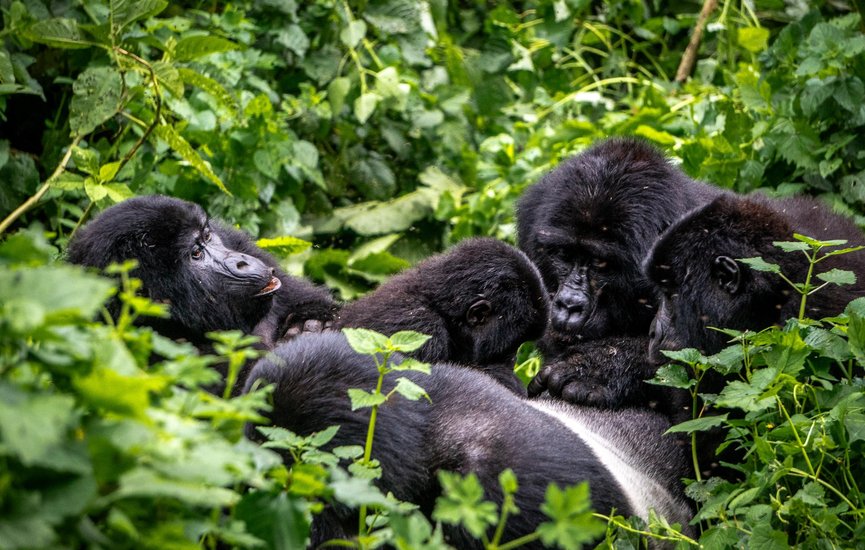
In a remarkable achievement for Uganda’s tourism sector, Bwindi Impenetrable National Park a UNESCO World Heritage Site renowned for its population of mountain gorillas has secured the third‑place ranking worldwide in the Adventure Destination category of the TOURISE Global Tourism Awards held in Riyadh, Saudi Arabia.
The recognition places Uganda firmly among the global elite of adventure tourism and marks a major milestone for conservation‑led travel experiences. Only Ancash in Peru and the Galápagos Islands in Ecuador ranked higher, underscoring the international prestige of the achievement.
According to officials from the Uganda Wildlife Authority (UWA), the award reflects the success of Uganda’s strategy to blend biodiversity protection, community involvement, and premium visitor experiences. Prof. James Kalema, Chairperson of UWA’s Board of Trustees, described the accolade as “a powerful endorsement of Uganda’s commitment to conservation and responsible tourism.”
Founded in one of Africa’s most biodiverse regions, the park boasts mist‑shrouded rainforests, rugged terrain, and nearly half of the world’s remaining mountain gorillas. These features make it a world‑class destination for eco‑adventure travellers. In recent years, tourism operators and conservation partners have leveraged these assets to offer high‑value, low‑impact experiences that support local communities and generate revenue for habitat protection.
Dr. James Musinguzi, UWA’s Executive Director, praised the collaborative model: “Our work with local communities, tourism players and conservation teams has created a sustainable tourism model that delivers both ecological benefits and economic opportunities.”
Industry analysts say the global ranking is likely to boost visitor interest and bookings, particularly from international markets seeking authentic adventure experiences. With the decision, Uganda is better positioned to compete with neighbouring countries and showcase its unique natural heritage.
For local communities bordering Bwindi, the impact is tangible. They benefit through jobs in guiding, hospitality, and eco‑tourism services, as well as revenue‑sharing arrangements that fund schools, health facilities and infrastructure. The success of Bwindi’s tourism model demonstrates how wildlife conservation and community development can go hand‑in‑hand.
With this international spotlight, stakeholders say the next challenge is to maintain momentum ensuring that infrastructure, visitor management and habitat protection scale in step with growing global demand. The park’s performance suggests Uganda is not just a participant in the adventure tourism arenait is emerging as a leader.