

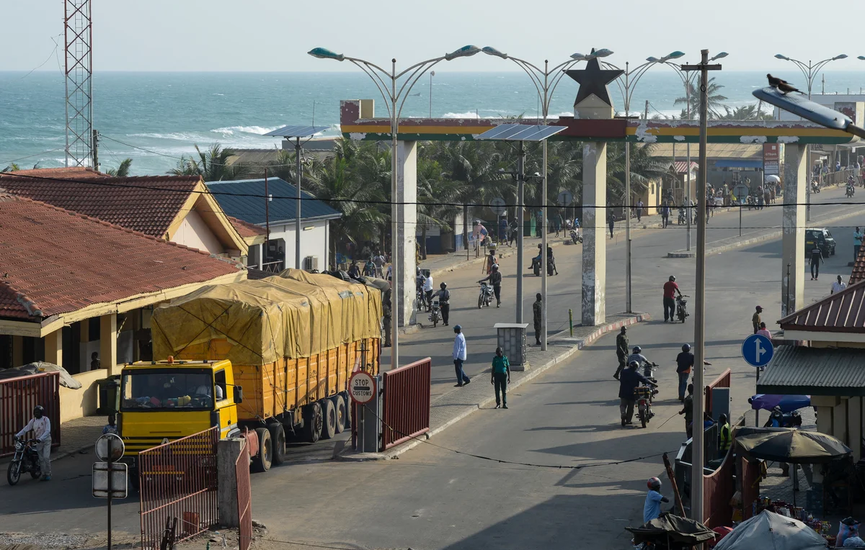
A troubling series of deportations from the United States to Ghana has sparked outrage and concern after reports emerged that dozens of West Africans were secretly transferred from Ghana to neighboring Togo and abandoned without identification or legal documentation. These individuals, many of whom had been granted protection by U.S. immigration courts, were allegedly held under military guard at Ghana’s Dema Camp before being driven to the Aflao border and escorted through unofficial routes into Togo. Once across the border, they were left to fend for themselves, stripped of their belongings and without any form of identification, rendering them stateless and vulnerable.
Among the deportees are nationals from Nigeria, Liberia, Gambia, and Mali, including individuals with pending asylum claims and those married to U.S. citizens. One Nigerian man, referred to as Benjamin, recounted being physically assaulted by U.S. immigration officers after refusing to board a military aircraft bound for Ghana, despite a court order prohibiting his deportation to Nigeria. Another deportee, Emmanuel from Liberia, described being held in poor conditions and later abandoned in Togo with no documentation, no money, and no way to contact his family. Both men were still actively fighting their deportation cases when they were removed from the United States, raising serious questions about due process and legal oversight.
The Ghanaian government has yet to issue a public statement addressing the allegations, while the U.S. State Department maintains that it will continue to pursue all legal avenues to remove individuals without lawful status. However, human rights advocates and legal experts have condemned the practice, warning that it violates international law and places deportees at grave risk. The United Nations has expressed concern over the safety and legality of these transfers, particularly for individuals who face persecution or violence in their countries of origin.
This unfolding situation has ignited debate over the ethics of deportation policies and the responsibilities of host and receiving nations. Critics argue that the clandestine nature of these removals undermines transparency and accountability, while the lack of documentation leaves deportees in legal limbo. As calls for investigation grow louder, the fate of those abandoned in Togo remains uncertain, and the broader implications for regional cooperation and human rights protections continue to unfold.