

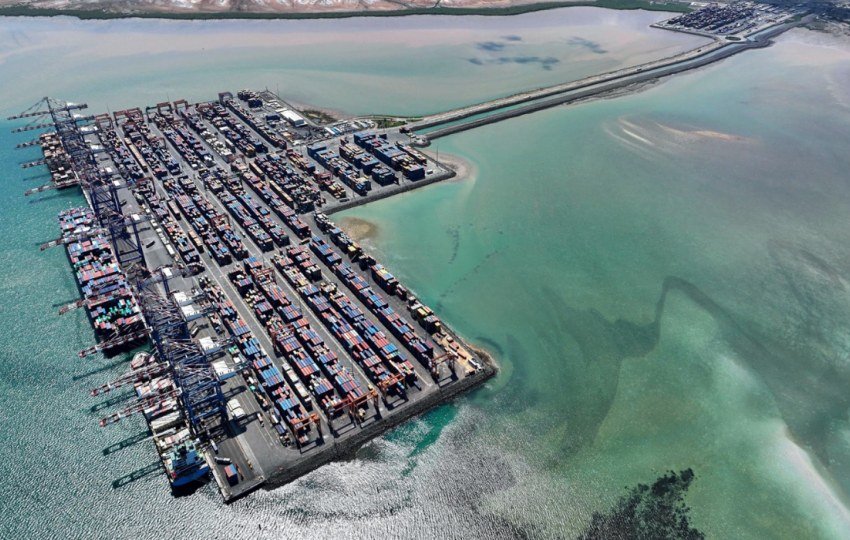
DP World has suffered a judicial setback in its long-running dispute with Djibouti over the Doraleh Container Terminal, following a ruling by the London Court of International Arbitration (LCIA. The tribunal reaffirmed that Djibouti’s 2018 seizure of the terminal was unlawful and that DP World’s original 50-year concession agreement, signed in 2006, remains valid. However, the court declined to award damages against Djibouti’s state-owned Port de Djibouti SA (PDSA), concluding that the harm was caused by the Government of Djibouti itself, not the port company. This distinction effectively shields PDSA from financial liability in this phase of the arbitration.
While the ruling ends arbitration proceedings between DP World and PDSA, it does not resolve the broader legal conflict. DP World continues to pursue $1 billion in claims against the Government of Djibouti and its Chinese partner, China Merchants Port Holdings. The company also holds binding arbitration awards worth $685 million against Djibouti’s government, which remain unpaid despite multiple rulings in its favor. DP World has strongly rejected Djibouti’s assertion that the latest ruling closes the case, calling the government’s narrative “at odds with reality.” A company spokesperson emphasized that independent tribunals have consistently confirmed the illegality of the seizure and warned that Djibouti’s actions undermine investor confidence and damage its international reputation.
The Doraleh Container Terminal was a key asset for DP World, contributing significantly to Djibouti’s economy during its operation. At its peak, the terminal accounted for 12% of the country’s GDP, underscoring the strategic importance of the partnership. Earlier LCIA rulings had found PDSA’s attempts to terminate the joint venture agreement with DP World unlawful, and despite being awarded costs in this specific proceeding, PDSA still owes substantial sums to the company. DP World remains committed to enforcing its rights and securing compensation through all available legal avenues, signaling that the legal battle is far from over.
This case carries broader implications for international business and contract enforcement. It raises critical questions about the sanctity of long-term agreements and whether governments can unilaterally cancel binding contracts without consequence. As DP World continues its legal pursuit, the outcome will be closely watched by investors, legal experts, and global institutions concerned with the rule of law and the stability of international commerce.