

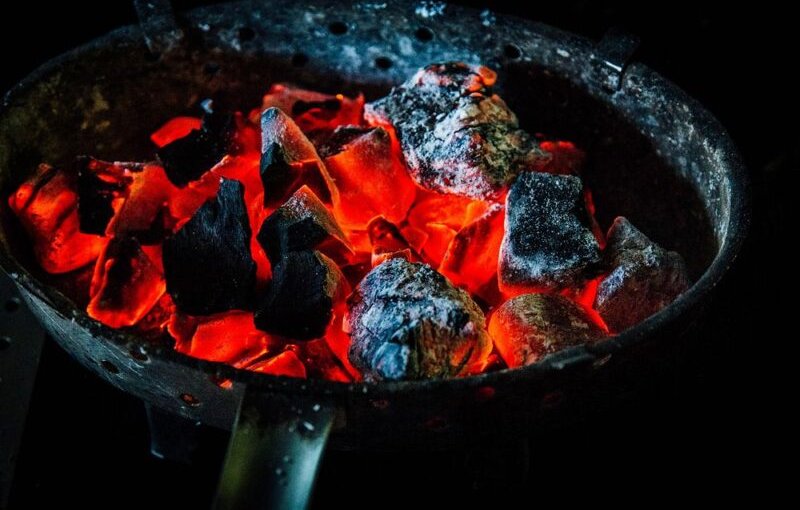
Eco-charcoal is gaining popularity across parts of Africa as households and businesses search for cleaner, more affordable alternatives to traditional firewood and charcoal. Made from agricultural waste such as coconut husks, sawdust, maize cobs, and other organic by-products, eco-charcoal burns longer, produces less smoke, and reduces harmful indoor air pollution.
Rising firewood prices, deforestation, and health concerns linked to smoke inhalation have driven many families to adopt eco-charcoal for daily cooking. Entrepreneurs and small businesses are increasingly investing in its production, creating jobs while helping to lower household energy costs. Supporters say the product is especially appealing in urban and peri-urban areas where access to sustainable cooking fuel is becoming a priority.
Environmental advocates also point to eco-charcoal’s role in reducing pressure on forests, a major concern in many African countries where wood fuel remains the dominant energy source. By recycling waste materials, eco-charcoal offers a more sustainable energy option that aligns with climate and conservation goals.
As demand grows, governments and development partners are exploring ways to support the sector through training, financing, and policy incentives. Analysts say wider adoption of eco-charcoal could transform local energy markets, improve public health, and contribute to greener economic growth across the continent.