

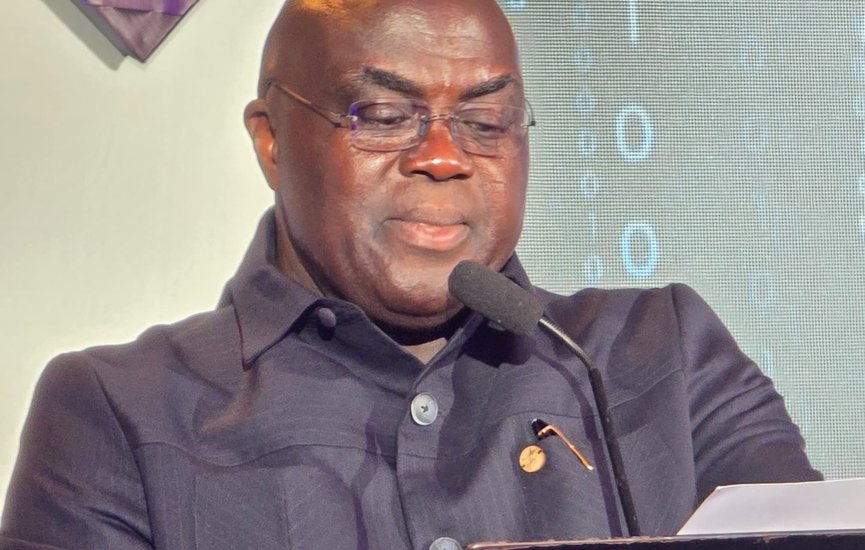
Ghana’s Chief of Staff, Julius Debrah, has issued a compelling call to action to the country’s diplomatic corps, urging them to embrace economic diplomacy as a central pillar of their foreign service mandate. Speaking at the closing ceremony of the Heads of Missions Conference and orientation for newly appointed envoys, Debrah emphasized the need for Ghana’s representatives abroad to shift from traditional diplomacy toward a more dynamic, results-driven approach that prioritizes trade, investment, and sustainable development. His remarks underscored the evolving role of diplomacy in a global landscape increasingly shaped by economic partnerships and technological advancement.
Over the course of the five-day conference, envoys were challenged to align their missions with four key priorities: deepening economic diplomacy, engaging the Ghanaian diaspora, championing climate justice, and modernizing the foreign service. Debrah highlighted the importance of leveraging Ghana’s position within the African Continental Free Trade Area (AfCFTA) to attract foreign investment and promote regional integration. He also called on diplomats to actively support pan-Africanism and strengthen ties within ECOWAS and the African Union, framing these efforts as essential to Ghana’s long-term strategic interests.
The ceremony also served as a moment of reflection and recognition, honoring five distinguished diplomats for their contributions to Ghana’s global reputation. Among those celebrated were Dr. Obed Asamoah and Dr. Mohamed Ibn Chambas, whose careers have helped shape the country’s foreign policy and international standing. Their legacy, Debrah noted, should serve as an inspiration to the new generation of envoys tasked with representing Ghana in an increasingly complex and competitive world.
In closing, the Chief of Staff reminded the diplomats that their role extends beyond protocol and representation, it is about driving transformation, forging meaningful partnerships, and positioning Ghana as a proactive player on the global stage. His message was clear: the future of diplomacy lies in its ability to deliver tangible benefits to the nation, and Ghana’s envoys must be at the forefront of that mission.