

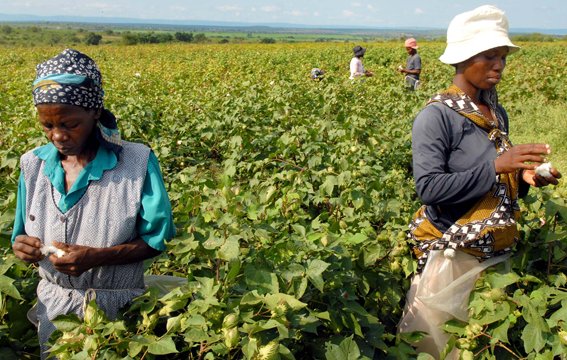
Eswatini, a small landlocked kingdom in Southern Africa, has been making strides in transforming its rural economy through targeted investments aimed at empowering its people. Since 1985, the International Fund for Agricultural Development (IFAD) has partnered with the government of Eswatini to address rural poverty, improve food security, and build sustainable livelihoods. Over the years, this collaboration has mobilized more than US$251 million in funding, combining IFAD’s contributions with cofinancing from other development partners and the government itself. These resources have reached tens of thousands of households, helping smallholder farmers and rural entrepreneurs build resilience and unlock new economic opportunities.
The current strategic framework, covering the period from 2022 to 2027, focuses on climate-smart agriculture, commercialization of small-scale farming, and inclusive rural development. Recognizing the vulnerability of Eswatini’s agricultural sector to climate change, the program emphasizes sustainable practices that enhance productivity while preserving natural resources. Farmers are being equipped with training, tools, and access to improved seeds and technologies that allow them to adapt to erratic weather patterns and declining soil fertility. At the same time, the initiative supports the development of value chains that connect rural producers to markets, enabling them to sell their goods at fair prices and scale their operations beyond subsistence farming.
Beyond agriculture, the investment strategy also promotes off-farm income-generating activities, particularly for women and youth. By supporting rural enterprises, vocational training, and financial inclusion, the program aims to diversify income sources and reduce dependency on traditional farming. This holistic approach not only boosts household incomes but also strengthens community resilience and social cohesion. Infrastructure improvements, such as rural roads and irrigation systems, further enhance the impact by facilitating access to services and reducing logistical barriers to trade.
The success of these initiatives is reflected in the growing number of rural families who are now able to feed themselves consistently, send their children to school, and participate more fully in the national economy. While challenges remain, such as limited access to credit and persistent inequality, the progress made in Eswatini demonstrates the transformative power of investing in rural people. By placing communities at the center of development and aligning resources with their needs and aspirations, the country is laying the foundation for a more inclusive and sustainable future.