

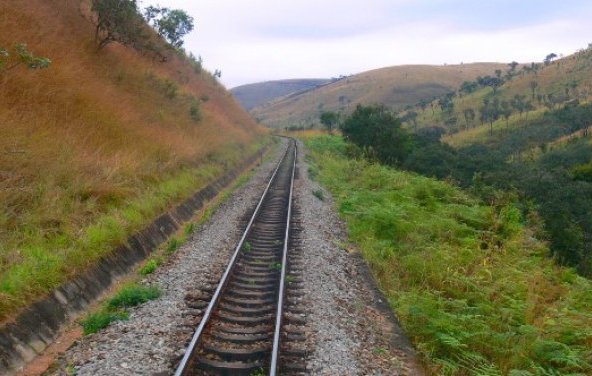
Tanzania’s $2 billion Standard Gauge Railway (SGR), a flagship infrastructure project aimed at transforming transport and trade, is increasingly being tested by extreme weather conditions. Designed to modernize travel between Dar es Salaam and the capital Dodoma, the railway has been promoted as a faster, safer, and more efficient alternative to road transport.
However, heavy rainfall and flooding linked to changing climate patterns have disrupted operations along key sections of the line. In recent incidents, intense rains damaged embankments and drainage systems, forcing temporary suspensions and causing delays for passengers and cargo. These disruptions have raised concerns about the railway’s resilience to extreme weather events.
Passengers have reported long waits and uncertainty during service interruptions, while transport officials have acknowledged the challenges posed by unpredictable weather. Engineers and analysts say the incidents highlight the need for stronger climate-resilient infrastructure, including improved drainage, reinforced tracks, and better long-term planning.
Despite the setbacks, the SGR remains central to Tanzania’s economic vision, with expectations that it will boost regional trade and reduce congestion on major highways. As extreme weather becomes more frequent, the railway’s future success may depend on how effectively authorities adapt and strengthen the system to withstand climate-related risks.