

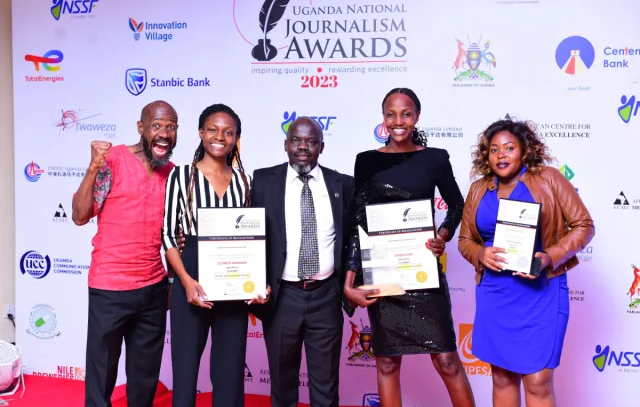
The Gambia Press Union has officially opened entries for the 2025 National Journalism Awards, inviting journalists across the country to submit their finest work for recognition in one of the nation’s most prestigious media honors. This annual event celebrates excellence, integrity, and impact in journalism, spotlighting the vital role that reporters, editors, photographers, and broadcasters play in shaping public discourse and holding power to account. The awards are open to professionals working in print, radio, television, online platforms, and photojournalism, with categories spanning investigative reporting, health and medical journalism, environmental coverage, sports, women’s and children’s issues, and more.
Submissions began on September 1st and will close on September 30th, giving journalists a month-long window to present their most compelling stories from the past year. Each entry will be judged by a panel of seasoned media professionals and subject-matter experts, who will evaluate submissions based on originality, depth of reporting, ethical standards, and public impact. Finalists will be announced on November 1st, ahead of the awards ceremony, which will be held in conjunction with the annual World Press Freedom Day celebrations, a symbolic moment that underscores the importance of free and independent media in democratic societies.
The National Journalism Awards have grown in stature over the years, not only as a platform for professional recognition but also as a catalyst for raising standards in Gambian journalism. Past winners have gone on to lead major investigative projects, influence policy debates, and mentor the next generation of reporters. By honoring outstanding work, the Gambia Press Union aims to inspire continued excellence and reinforce the values of truth, accountability, and public service that define the profession. This year’s edition promises to be especially significant, as it reflects the evolving challenges and triumphs of journalism in an era marked by digital transformation and shifting media landscapes.