

In 2024, Ghana diagnosed nearly 20,000 tuberculosis (TB) cases, including around 900 among children, a significant step forward in detection and care. Yet health experts warn that many more children remain undiagnosed, with the 2022 Global TB Report estimating 6,800 likely infections among Ghanaian children, though only 826 were officially reported. Childhood TB has long been a hidden threat, but a groundbreaking development at the Child Health Department of Korle Bu Teaching Hospital (KBTH) in Accra is transforming the landscape and offering renewed hope to families.
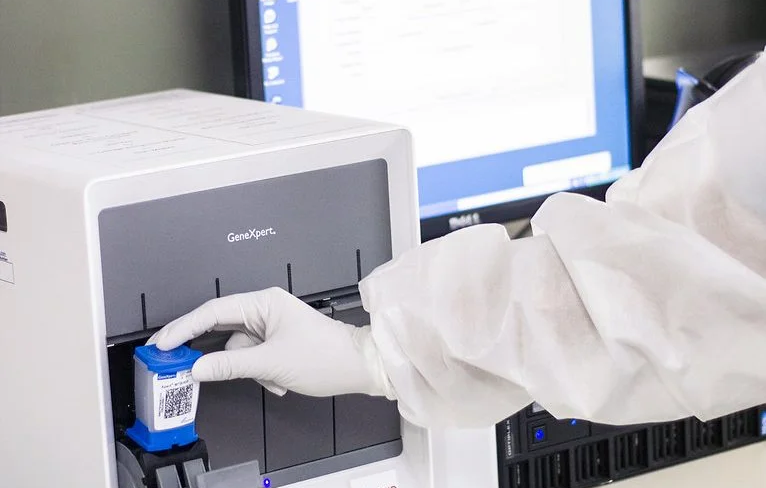
The introduction of stool-based TB testing using the GeneXpert machine has revolutionized diagnosis for infants and young children, who often struggle to produce sputum samples required for conventional tests. One young mother experienced this breakthrough firsthand. Diagnosed with TB shortly after giving birth prematurely, her baby began showing alarming symptoms, weakness, persistent coughing, and difficulty breastfeeding. Thanks to the new testing method, doctors at KBTH were able to detect TB in the infant, a diagnosis that would have otherwise been missed.
The baby remained hospitalized and isolated from his mother for a month, a painful separation eased by the support of his grandmother, who ensured he received timely medication. This experience underscored the life-saving power of family support combined with innovative medical tools. Today, the baby is a healthy, thriving one-year-old, and his mother has fully recovered. Her message to other families is clear and empowering: “TB is not the end of the world. You can be cured. Testing is free in Ghana, and so is the medication. If you have TB, don’t panic seek help. There is support, and you will get better.”
This success story is part of a broader effort led by UNICEF in collaboration with Ghana’s National Tuberculosis Control Programme and supported by SIEMENS Healthineers. Together, they are expanding access to GeneXpert machines for stool-based testing, a painless, rapid, and accurate method that is free for families and easy for health workers to administer. These innovations are helping to close the gap in childhood TB diagnosis, ensuring that more children are identified early and linked to life-saving treatment.
TB remains a preventable, treatable, and curable disease. With continued investment in technology, partnerships, and public awareness, Ghana is making strides toward eliminating childhood TB and safeguarding the health of its youngest citizens.