

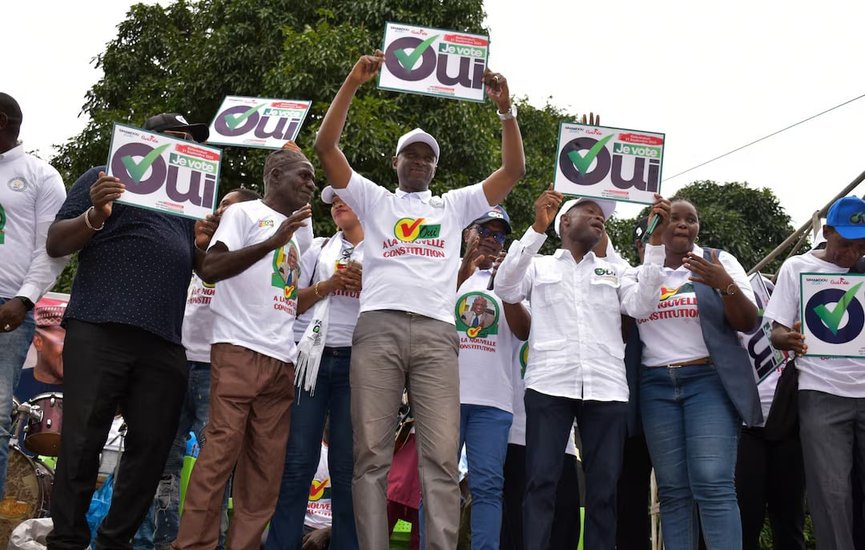
Guinea is on the brink of a pivotal political moment as it prepares to vote on a new constitution that could allow coup leader Mamady Doumbouya to run for president. The referendum, scheduled for September 21, 2025, has ignited widespread debate and concern both domestically and internationally. Doumbouya, who seized power in a 2021 military coup, had initially pledged not to contest future elections. However, the proposed constitutional changes would remove a key clause from the transitional charter that barred members of the ruling junta from seeking elected office, effectively clearing the path for his candidacy.
The draft constitution introduces several sweeping reforms, including extending the presidential term from five to seven years, renewable once, and establishing a Senate, one-third of which would be appointed directly by the president. These changes have been framed by the government as necessary for stability and institutional development, but critics argue they are designed to entrench power and legitimize authoritarian rule. Although Doumbouya has not officially declared his intention to run, his image dominates campaign materials, and pro-referendum rallies have surged across the capital, Conakry, signaling strong state-backed support.
Opposition parties, many of which have been suspended or sidelined under the current regime, have called for a boycott of the vote. They cite a lack of transparency in the drafting process, suppression of dissenting voices, and the shrinking space for free media as evidence of democratic backsliding. Human rights organizations have raised alarms over reports of political opponents being detained or disappeared, and several media outlets have been arbitrarily suspended. The government has denied involvement in these incidents and promised investigations, though skepticism remains high.
The referendum represents more than a legal shift—it is a test of Guinea’s democratic resilience and the credibility of its transitional promises. If passed, the new constitution could reshape the country’s political landscape for years to come, consolidating power in the hands of the current leadership and potentially undermining the prospects for genuine democratic elections. As the vote approaches, the eyes of the region and the international community are fixed on Guinea, watching closely to see whether the country will honor its commitment to inclusive governance or slide further into authoritarianism.