

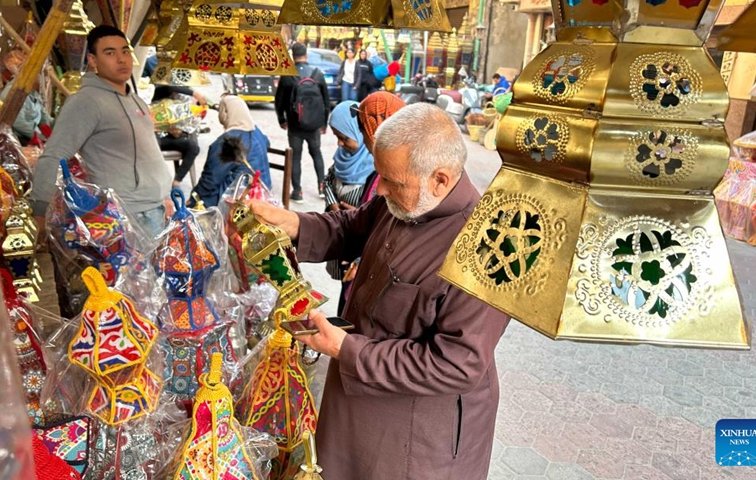
As the holy month of Ramadan approaches, traditional markets in Cairo are experiencing sluggish sales, with many shoppers holding back on purchases due to rising food and commodity prices.
Market vendors in several neighborhoods report that demand for staples such as dates, rice, and cooking oil has been lower than expected, as families adjust their spending in response to inflation. Traders say customers are comparing prices more closely and sometimes choosing to delay buying non‑essential items until closer to Ramadan or until costs ease.
Shoppers interviewed in the markets expressed concern over the high cost of essential goods, noting that inflation has reduced their purchasing power. Many said they are now prioritizing basic needs and seeking bargains, which has made it harder for sellers to meet revenue targets for what is normally a busy pre‑Ramadan season.
Market associations in Cairo have acknowledged the challenges, and some vendors are offering discounts or smaller packaging options in an effort to attract price‑conscious buyers. Local economists say the situation reflects broader inflationary pressures in the Egyptian economy, which have been driven by global commodity price fluctuations and currency dynamics.
As traders and consumers adapt to the high‑price environment, the lead‑up to Ramadan is showing signs of economic strain, underscoring how rising costs can impact cultural and religious traditions that involve increased food consumption and gift‑giving.