

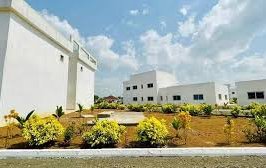
A multi-million dollar presidential villa project in Liberia has sparked widespread controversy, drawing sharp criticism from civil society groups, opposition voices, and everyday citizens. The initiative, reportedly part of a broader infrastructure development plan, has raised questions about its timing and necessity, especially as the country grapples with persistent economic challenges, high unemployment, and underfunded public services. Many Liberians argue that the government’s resources would be better spent on pressing needs such as healthcare, education, and poverty alleviation, rather than on a luxurious residence for the head of state.
Supporters of the project contend that a modern presidential villa is long overdue and necessary to reflect national dignity, enhance security, and align with international standards for executive accommodation. They argue that the current facilities are outdated and inadequate for hosting diplomatic engagements and official functions. However, critics remain unconvinced, pointing to a lack of transparency in the planning and budgeting process, and questioning whether public consultation was adequately conducted before committing to such a significant expenditure.
The debate over the villa has become a flashpoint for broader concerns about governance priorities and accountability in Liberia. As the country continues to recover from years of civil conflict and economic instability, many citizens feel disconnected from decision-making processes and frustrated by what they perceive as misaligned leadership choices. The presidential villa, in this context, has come to symbolize deeper tensions between state ambitions and public expectations, highlighting the urgent need for inclusive dialogue and responsive policymaking.