

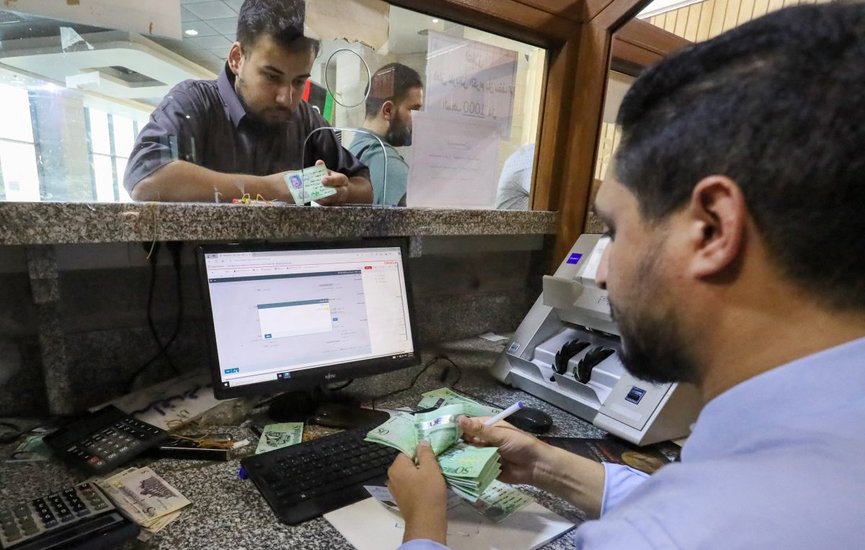
Libya’s Central Bank has embarked on a series of strategic reforms aimed at strengthening the country’s financial system, signaling a renewed commitment to economic stability and institutional modernization. These efforts come at a critical time, as Libya continues to recover from years of political fragmentation and conflict that have severely disrupted its financial infrastructure. By enhancing transparency, improving liquidity management, and upgrading banking technologies, the Central Bank is laying the groundwork for a more resilient and inclusive economy.
One of the key priorities has been the unification of monetary policies across Libya’s divided regions, a move seen as essential to restoring national cohesion and ensuring consistent fiscal governance. The Bank is working to harmonize operations between eastern and western branches, reduce inefficiencies, and promote accountability in financial transactions. These reforms are designed not only to stabilize the currency and control inflation but also to rebuild public trust in financial institutions that have long struggled with credibility and accessibility.
In addition to internal restructuring, the Central Bank is engaging with international financial partners to attract investment and technical support. These collaborations are expected to bolster Libya’s capacity to implement global best practices in banking regulation, risk management, and digital finance. The modernization of payment systems and the expansion of financial services to underserved communities are also part of the broader strategy to stimulate economic growth and reduce inequality.
As Libya navigates complex political and economic challenges, the strengthening of its financial system represents a vital step toward long-term recovery and development. The Central Bank’s proactive approach reflects a vision of stability rooted in sound governance, institutional integrity, and inclusive progress. If sustained, these reforms could transform Libya’s financial landscape, enabling it to better serve its citizens and reestablish its role in the regional and global economy.