

Greater Pibor, nestled in South Sudan, is a region steeped in vibrant cultural heritage. Its communities proudly express their identity through traditional attire, ceremonies, and spiritual practices that foster unity and continuity. Yet, beneath this rich tapestry lies a darker reality—cattle raiding, sexual violence, and child abduction have become deeply ingrained in the social fabric, perpetuating cycles of trauma and intercommunal conflict. These acts, often committed with impunity, have long eroded trust and stability across the region.
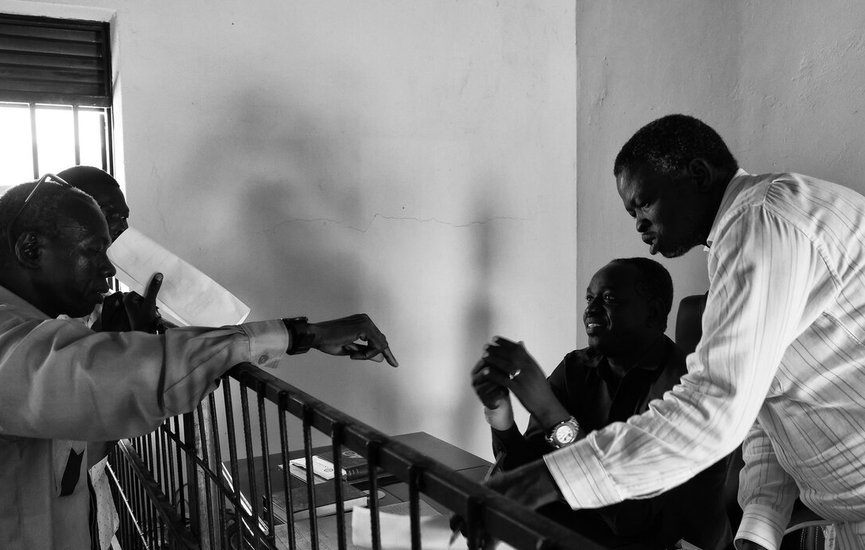
In a bold effort to confront this legacy of injustice, a mobile court was recently deployed to Pibor with support from the United Nations Mission in South Sudan (UNMISS) and the South Sudan Reconciliation, Stabilization, and Resilience Trust Fund. Over the course of four weeks, the court handled 16 complex criminal cases, securing convictions in five. It also resolved 10 civil disputes, primarily over land—an issue that frequently fuels local tensions. This marks the second deployment of a mobile court to the Greater Pibor Administrative Area this year, bringing the total number of cases addressed to 61, including 37 criminal and 24 civil matters.
The presence of a functioning judicial mechanism has begun to shift perceptions. Seeing justice served not only encourages victims to speak out but also deters vigilante retaliation, reinforcing the value of formal accountability. For communities that have never experienced the rule of law, the mobile court offers a glimpse of what justice can look like. However, reliance on temporary solutions is not sustainable. There is a growing consensus that a permanent judicial presence is essential to ensure consistent access to justice.
To that end, the South Sudan judiciary is preparing to deploy a permanent judge to the area. UNMISS has also constructed a new courthouse to replace the inadequate infrastructure and is actively advocating for further investment in a prison facility and fully functioning police stations. These steps are critical to building a justice system that can endure and evolve with the needs of the community.
Delivering justice in regions long deprived of it is not merely a legal imperative—it is a cornerstone of peacebuilding. Only by addressing the wounds of the past and holding perpetrators accountable can survivors begin to heal and communities move toward a future defined not by violence, but by dignity, resilience, and hope.