

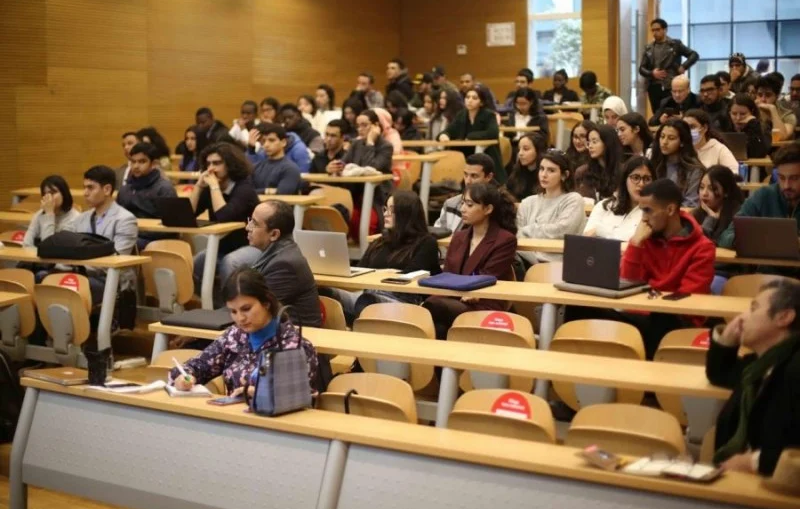
Morocco is ushering in a bold new chapter in its educational evolution by integrating Arabic into university-level instruction in science, engineering, and medicine. This landmark reform, anchored in Framework Law No. 51.17 and officially published in Gazette No. 7430, mandates that higher education institutions offer at least one module in Arabic within disciplines traditionally taught in foreign languages such as French, English, or Spanish. It’s a decisive move that reaffirms the country’s commitment to linguistic diversity while elevating Arabic’s role in academic and scientific discourse.
The initiative reflects Morocco’s strategic vision of linguistic engineering—an effort to restore Arabic’s prominence in knowledge production without compromising the nation’s global academic competitiveness. By weaving Arabic into the fabric of technical and scientific education, the reform promotes inclusivity, enhances accessibility for students, and strengthens cultural identity. It also opens the door for more locally grounded research and innovation, allowing students and scholars to engage with complex subjects in a language deeply rooted in their heritage.
Universities across the country, including leading institutions in Rabat, Casablanca, Marrakesh, and Fez, are preparing to adapt their curricula to meet the new requirements. This transition will involve updating teaching materials, training faculty, and fostering collaboration between academic and governmental bodies to ensure a smooth and effective rollout. The reform is not only a linguistic shift but also a cultural and intellectual renaissance—one that positions Morocco as a pioneer in harmonizing tradition with modernity in higher education.
By embracing Arabic in the heart of scientific and technical instruction, Morocco is sending a powerful message: that progress and identity can thrive side by side. This initiative is a testament to the country’s forward-thinking approach, blending national pride with academic excellence to shape a more inclusive and dynamic future for its students.