

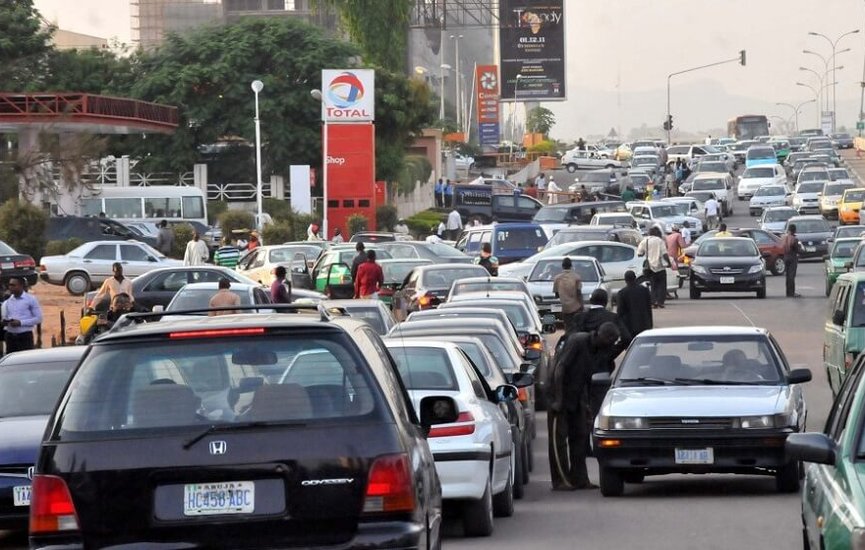
Residents of Nigeria are facing sharply increased transportation costs as fuel prices soar, with some filling stations selling petrol for as high as ₦1,500 per liter. The spike has led to corresponding increases in bus, taxi, and ride-hailing fares, putting pressure on commuters and low-income households.
Transport operators say the hike in fares is necessary to cover rising fuel costs, which have dramatically increased operational expenses. Many passengers report difficulties affording daily travel, while small businesses dependent on transportation face added financial strain.
Analysts warn that sustained high fuel prices could ripple through the economy, increasing the cost of goods and services and contributing to inflation. The government has been urged to consider measures to stabilize fuel supply and prices, or to provide targeted support to vulnerable populations.
Observers note that unless addressed, continued fuel price volatility could worsen economic hardship and reduce mobility, especially in urban areas where commuting costs make up a significant portion of household budgets.