

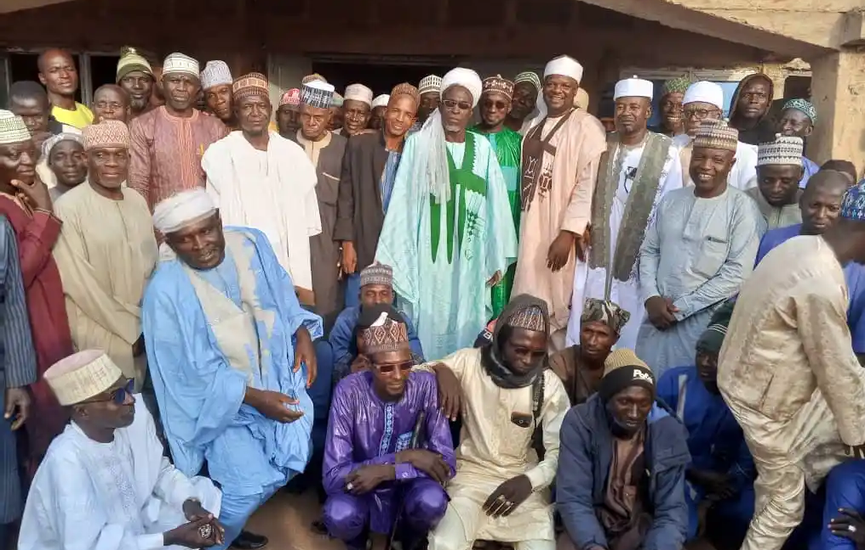
In Nigeria’s rural communities, particularly in the North-West, a quiet but powerful shift is underway as non-kinetic approaches to peacebuilding begin to take root. These regions, long plagued by insecurity, banditry, and communal violence, are now witnessing the emergence of grassroots strategies that prioritize dialogue, reconciliation, and community-led initiatives over military force. In places like Batsari in Katsina State, Udawa in Kaduna, and Birnin Gwari, fragile but meaningful peace is being brokered not through weapons, but through words and trust-building efforts.
Local leaders, traditional rulers, and civil society organizations have become central actors in this transformation. They facilitate inclusive forums where grievances are openly discussed and solutions are co-created. These gatherings often bring together community members, former combatants, and representatives of armed groups in a bid to foster mutual understanding and reduce hostilities. In many cases, ex-fighters are reintegrated into society through vocational training, education, and psychosocial support, helping them transition from violence to productive livelihoods. Religious figures and elders lend their authority to these efforts, invoking cultural and spiritual values that promote forgiveness, coexistence, and healing.
The strength of these non-kinetic strategies lies in their ability to address the root causes of conflict, poverty, marginalization, land disputes, and lack of access to justice, rather than merely suppressing symptoms. By empowering communities to take ownership of their security, these approaches build resilience and lay the groundwork for long-term stability. They also complement broader national efforts to reform Nigeria’s security architecture and promote inclusive development, offering a more sustainable path to peace than reactive military campaigns.
Despite their promise, these initiatives face significant challenges. Limited funding, political interference, and the ever-present threat of renewed violence continue to test their durability. Yet, the growing adoption of non-kinetic peacebuilding reflects a shift in mindset, one that recognizes the power of dialogue, empathy, and community solidarity. As these efforts evolve, they offer a compelling blueprint for other regions grappling with insecurity, proving that even in the most troubled corners of the country, peace is possible when communities are given the tools and trust to build it themselves.