

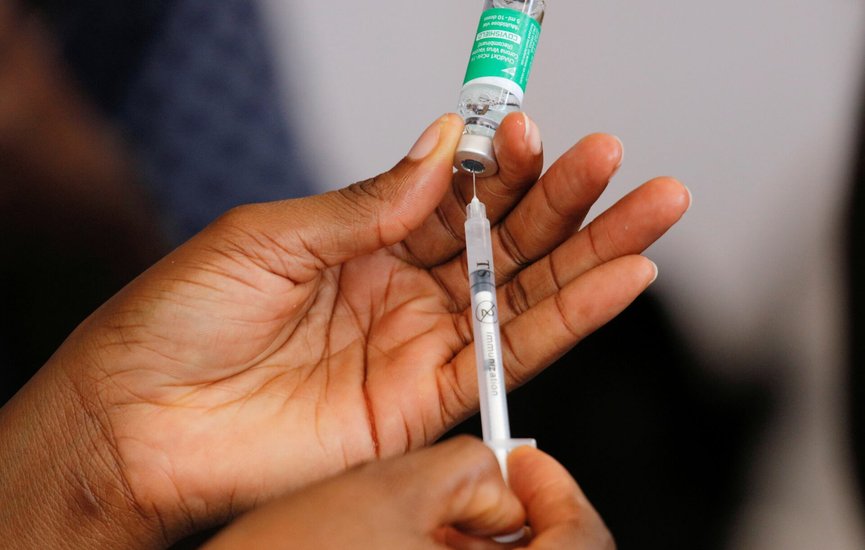
Harare, Zimbabwe, Zimbabwe has officially begun rolling out lenacapavir, a long‑acting HIV prevention drug given as an injection only twice a year, marking a major new step in the country’s fight against HIV/AIDS.
Health officials say the injection offers up to six months of protection against HIV for people who are HIV‑negative, making it a much easier prevention option than daily pills, which many high‑risk individuals struggle to take consistently.
The programme was launched on 19 February 2026 and initially targets tens of thousands of people considered at higher risk of infection including adolescent girls and young women, sex workers, and other vulnerable groups at dozens of health sites across the country.
Health authorities say lenacapavir complements existing prevention tools like condoms, regular testing and counseling, and could significantly boost overall efforts to lower new infections. However, experts also caution that funding, supply, and health system challenges will need continued attention to expand access more widely.
This rollout makes Zimbabwe one of the first African countries to adopt the twice‑yearly injectable HIV prevention option an innovation many believe could reshape how HIV prevention is delivered on the continent.