Comoros
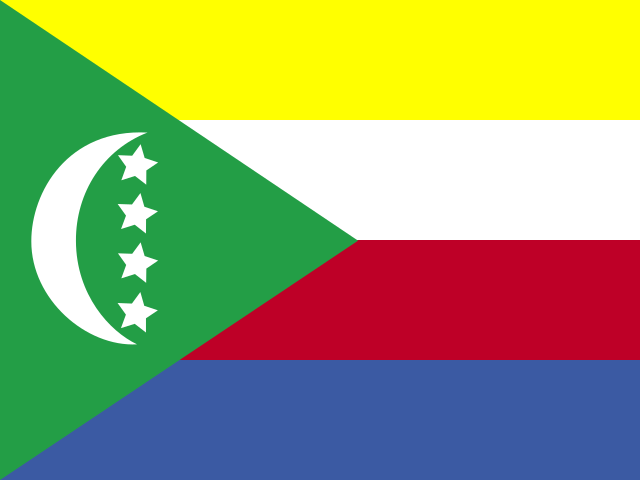
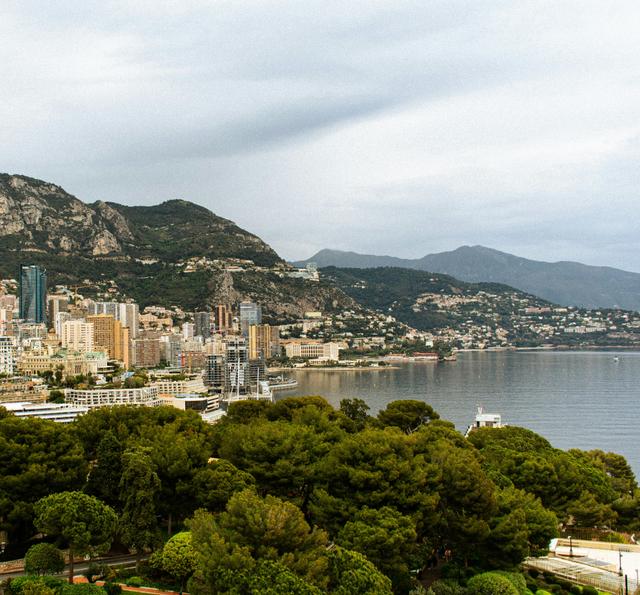
Comoros is a small island nation located in the Indian Ocean, between northeastern Mozambique and northwestern Madagascar. Officially known as the Union of the Comoros, it is composed of three main volcanic islands: Grande Comore (Ngazidja), Anjouan (Nzwani), and Mohéli (Mwali). A fourth island, Mayotte, is claimed by Comoros but is administered by France.

Indian Ocean, between northeastern Mozambique and northwestern Madagascar

2,235 sq km

UTC +3:00

850,000 Million

Comorian,French

Islam

CF

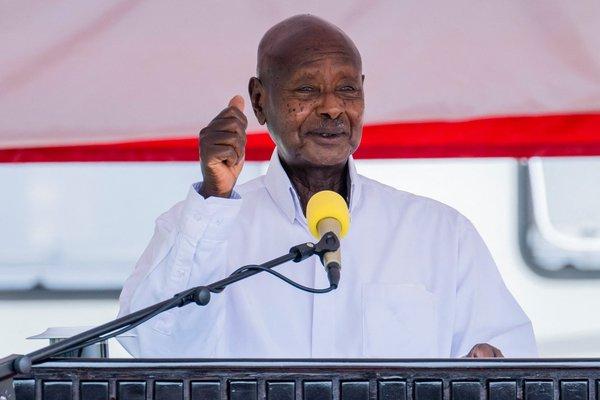
Azali Assoumani
Brief
Comoros is a small island nation located in the Indian Ocean, situated between the eastern coast of Africa (Mozambique) and the island of Madagascar. Officially known as the Union of the Comoros, it consists of three main volcanic islands: Grande Comore (Ngazidja), Anjouan (Nzwani), and Mohéli (Mwali). The nearby island of Mayotte is claimed by Comoros but is administered by France.
Comoros has a population of around 850,000 people and its capital city is Moroni, located on Grande Comore. The country is predominantly Muslim, with Arabic, Comorian, and French as its official languages.
The economy relies heavily on agriculture, fishing, and remittances, but faces challenges such as political instability and limited resources. Despite its small size, Comoros is known for its rich cultural heritage and natural beauty, including active volcanoes and diverse marine life.
National Anthem
Cultural Life
Cultural milieu
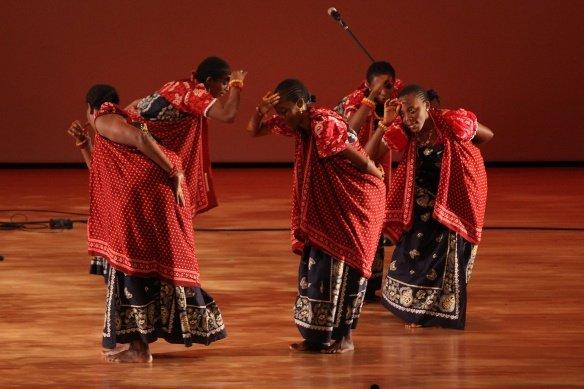
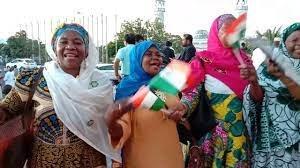
Comoros’ culture is a rich blend of African, Arab, Malagasy, and French influences shaped by its location in the Indian Ocean and diverse history. Predominantly Muslim, Islamic traditions deeply influence daily life, social customs, and celebrations such as Ramadan and Eid. The people primarily speak Comorian, a Swahili dialect infused with Arabic, alongside Arabic and French used in religious and official contexts. Traditional music and dance reflect a fusion of Swahili and Arab rhythms, while clothing often adheres to Islamic modesty. Society is closely knit, centered on family and clan ties, with elders playing a key role in community life. Comorian cuisine features rice, fish, coconut, and spices like vanilla and cloves, highlighting the islands’ natural bounty. Handicrafts such as weaving, pottery, and silver jewelry remain important cultural expressions, showcasing the nation’s artistic heritage.
Daily life and social customs
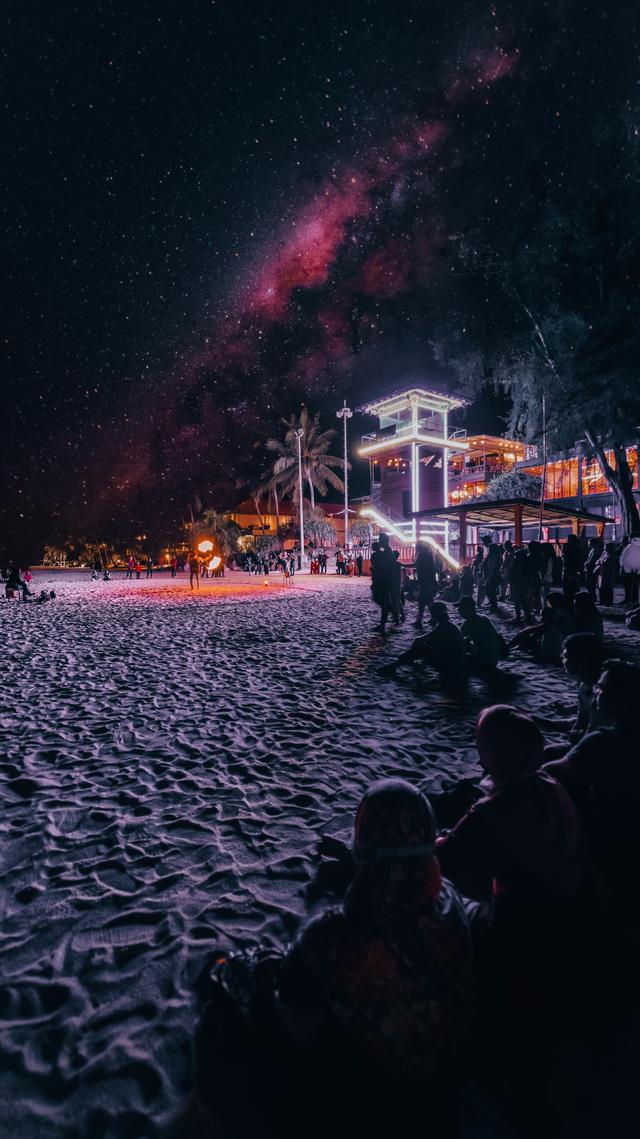
Daily life in Comoros revolves around close family ties, community, and religious practices, with Islam playing a central role in shaping social customs and routines. People often begin their day with prayer, and Islamic holidays like Ramadan and Eid are observed with communal gatherings and special meals. Hospitality is highly valued, and visitors are warmly welcomed with food and conversation. Social interactions tend to be respectful and formal, especially toward elders, who hold significant influence in family and village decisions. Markets and fishing are vital parts of daily economic life, while traditional music, storytelling, and dance frequently enrich social occasions. Modesty in dress, guided by Islamic principles, is common, and communal cooperation is key in maintaining social harmony.

Cuisine
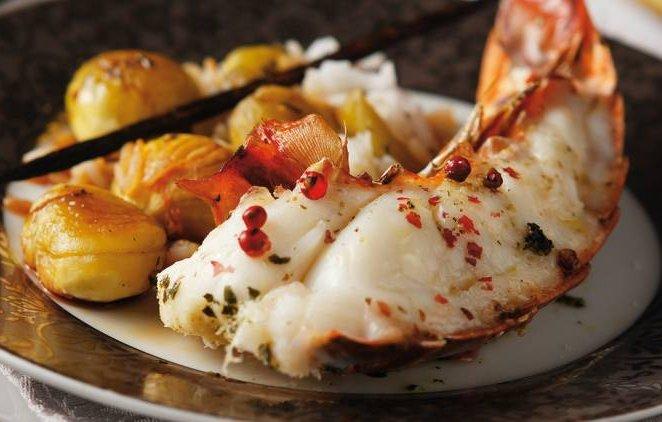
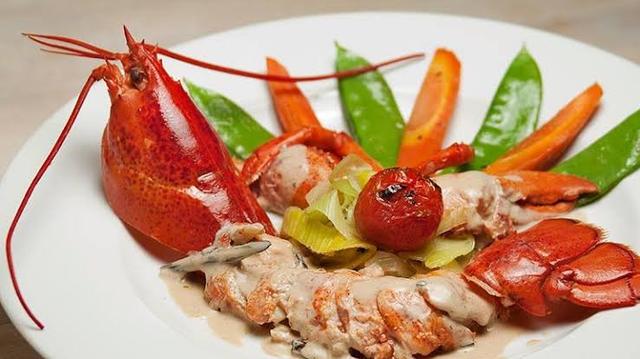
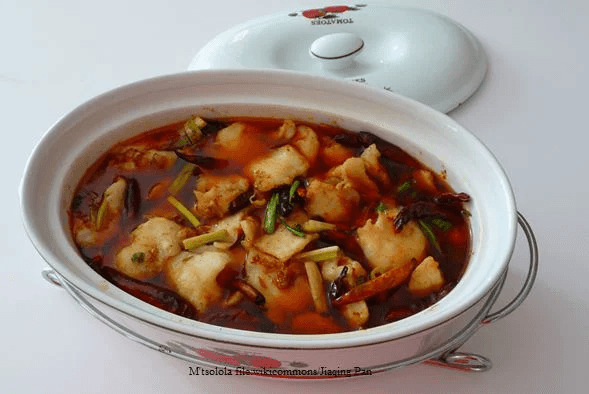
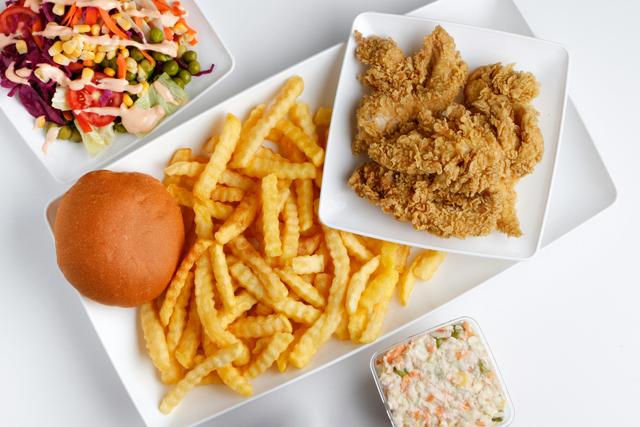
Comorian cuisine is a flavorful blend of African, Arab, and French influences, showcasing the islands’ abundant natural resources. Staples include rice, seafood, and tropical fruits, often seasoned with fragrant spices such as vanilla, cloves, cinnamon, and cardamom—key exports of the islands. Coconut milk is widely used to enrich stews and sauces, while dishes like grilled fish, coconut rice, and spicy curries are common. Meals are often shared communally, reflecting the strong sense of family and community. Sweet treats made from palm sugar and bananas, along with traditional beverages like spiced tea, also play an important role in everyday life and celebrations.
Music
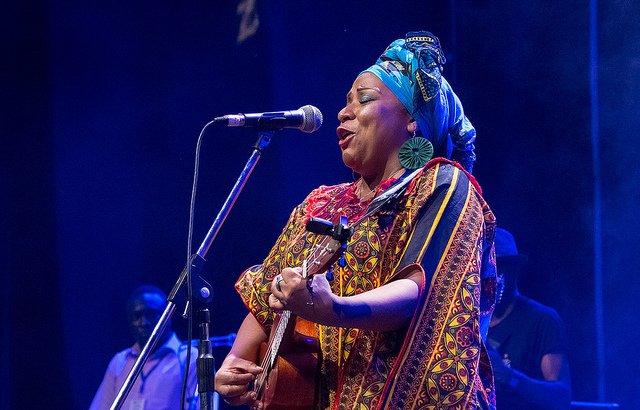
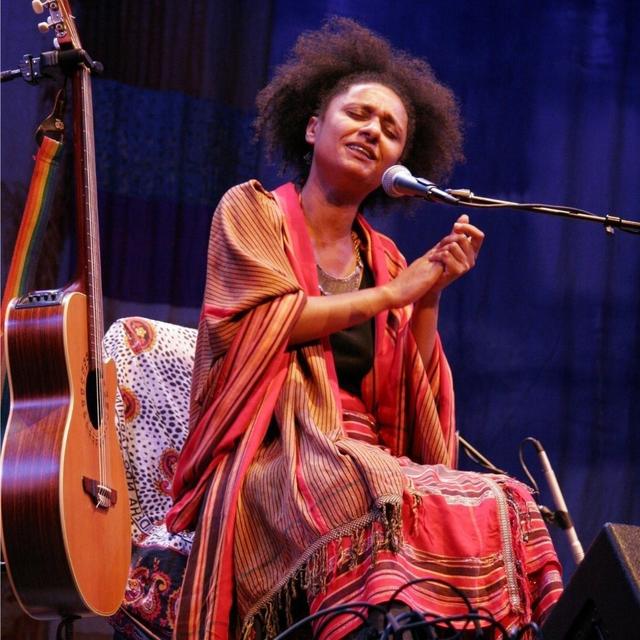
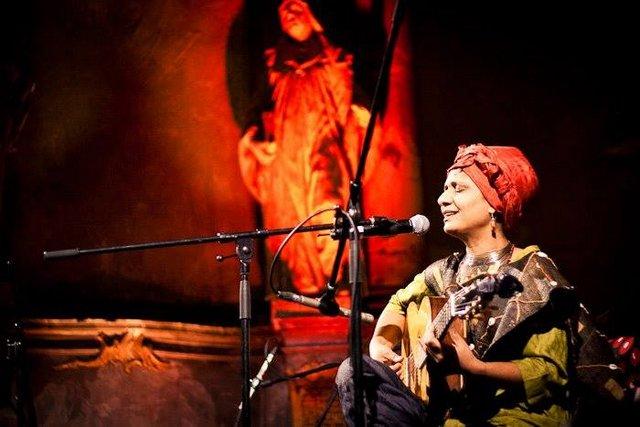
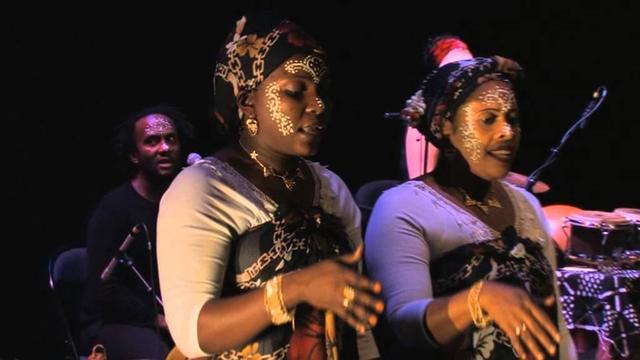
Comorian music is a vibrant expression of the islands' diverse cultural heritage, blending African, Arab, Malagasy, and French influences. One of the most popular traditional styles is twarab, a genre inspired by Swahili coastal music and infused with Arabic melodies, often performed at weddings and social gatherings. Twarab features instruments like the oud (a type of lute), violins, and percussion, accompanied by poetic lyrics that explore love, social issues, and everyday life.
Drumming and rhythmic dances are also central to Comorian musical traditions, particularly during festivals and rites of passage. Music is not only entertainment but also a means of storytelling and preserving oral history. Modern Comorian artists often mix traditional sounds with genres like reggae, hip-hop, and Afrobeat, creating a contemporary style that still reflects the islands' rich cultural identity.
The arts
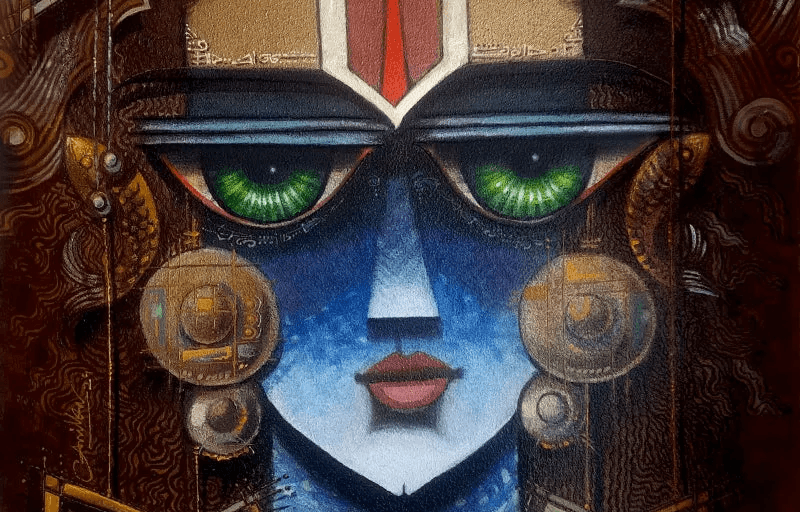
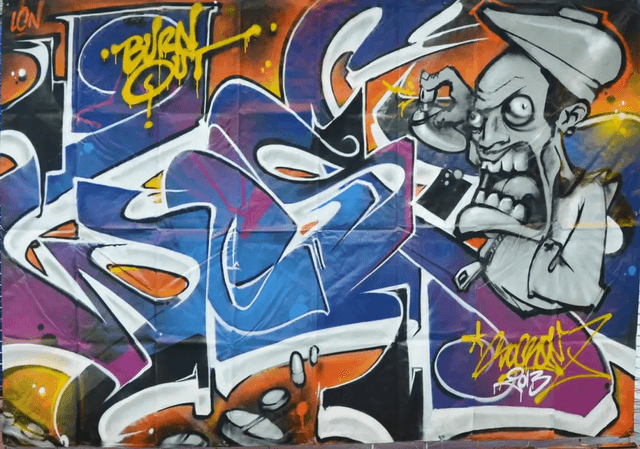
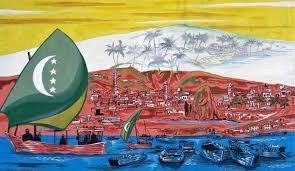
The arts in Comoros are deeply rooted in the islands’ cultural and religious traditions, serving as both creative expression and a reflection of communal identity. Traditional handicrafts such as weaving, pottery, embroidery, and silver jewelry are widely practiced, often passed down through generations and used in daily life, ceremonies, and weddings. Calligraphy and wood carving also feature prominently, especially in religious settings like mosques and Koranic schools.
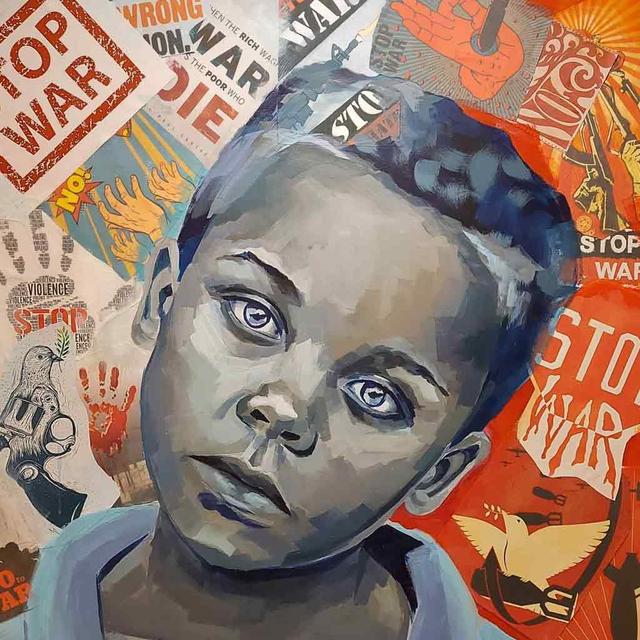
While visual arts are often modest due to Islamic influences that discourage figurative representation, poetry and oral storytelling thrive as respected forms of artistic expression, used to convey history, values, and wisdom. Music and dance, closely tied to these traditions, also play a role in the artistic landscape. In recent years, a younger generation of artists has begun to explore modern visual arts, film, and literature, blending tradition with contemporary themes to express social issues and national identity.
People
Ethnic groups
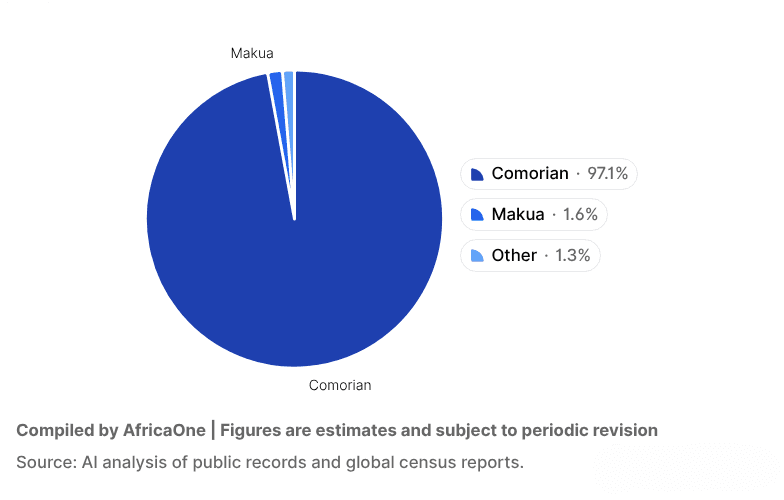
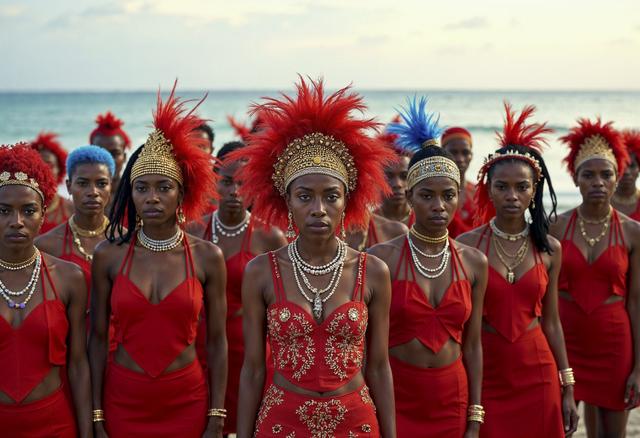
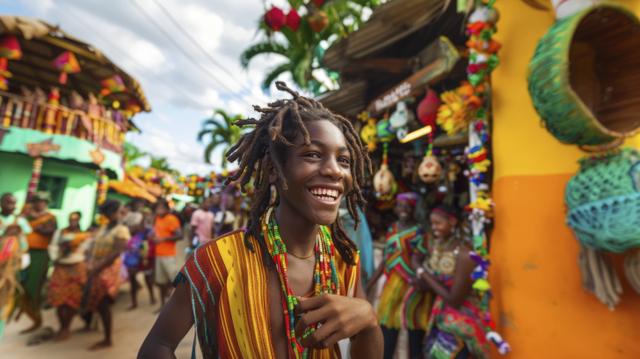
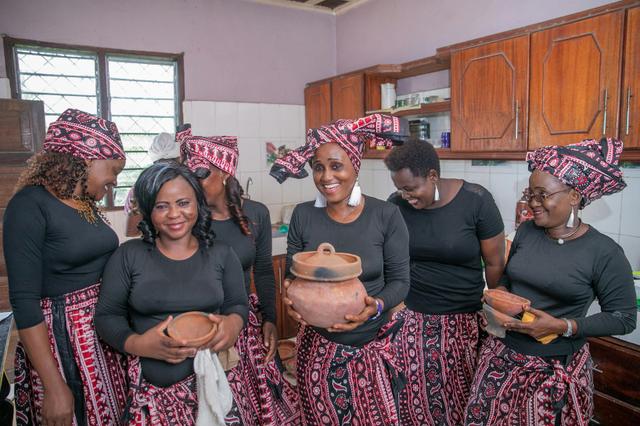
The population of Comoros is ethnically diverse, reflecting centuries of migration and cultural exchange across the Indian Ocean. The majority of Comorians are of mixed African, Arab, and Malagasy descent, resulting from historical trade and settlement by Bantu-speaking Africans, Arab merchants, Persian traders, and settlers from Madagascar.
This blending of cultures has created a unified Comorian identity, though subtle distinctions exist between the islands in terms of dialects, customs, and traditions. Despite their shared language and religion, communities often maintain strong clan and regional affiliations, which play an important role in social organization and local governance.
There is also a small population of French expatriates, especially on Mayotte (which is administered by France), and a diaspora community in countries like France and Madagascar that maintains strong ties to the islands.
Religion
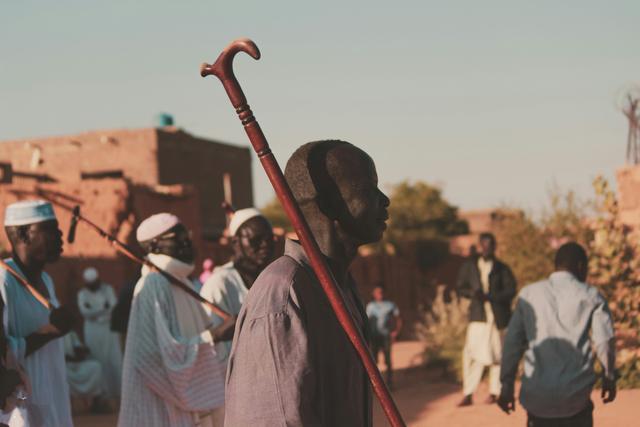
Religion in Comoros is predominantly Islamic, with about 98–99% of the population identifying as Sunni Muslims, following the Shafi’i school of Islamic jurisprudence. Islam is not only the official state religion but also a central part of daily life, shaping cultural values, laws, education, and social norms.
Religious practices such as daily prayers, fasting during Ramadan, and celebrations of Islamic holidays like Eid al-Fitr and Eid al-Adha are widely observed. Mosques are central to community life, and Islamic education is commonly provided to children from a young age.
Although religious freedom is guaranteed by the constitution, Islam’s influence is deeply rooted in both public and private spheres. A small minority of Christians and practitioners of indigenous beliefs exist, but they represent a very small portion of the population and often practice their faith discreetly.
Settlement patterns
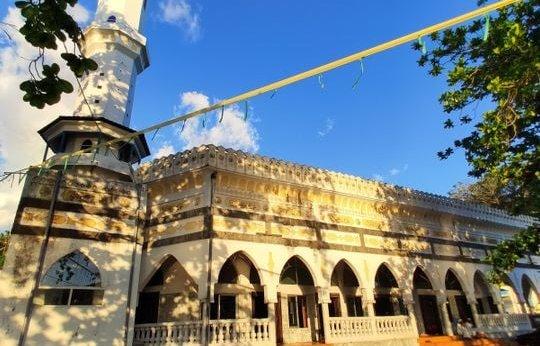
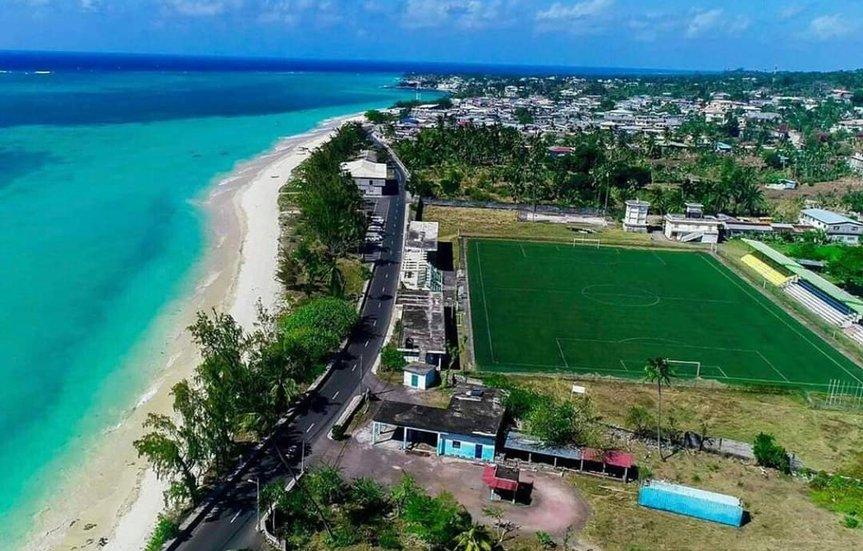
Settlement patterns in Comoros are shaped by the islands’ volcanic terrain, agricultural lifestyle, and coastal economy. Most of the population lives in small towns and villages concentrated along the coastlines, where land is flatter and more fertile. These coastal areas support farming, fishing, and trade, making them ideal for settlement.
The interior regions of the islands, especially on Grande Comore with its rugged mountains and active volcano (Mount Karthala), are less densely populated due to difficult terrain. Settlements are typically clustered around natural resources like freshwater sources and arable land.
Moroni, the capital on Grande Comore, is the largest urban center and the political, economic, and cultural hub of the country. Other significant towns include Mutsamudu on Anjouan and Fomboni on Mohéli. Urbanization is limited, and most Comorians still live in rural areas, maintaining traditional lifestyles closely tied to agriculture and fishing.
Demographic trends
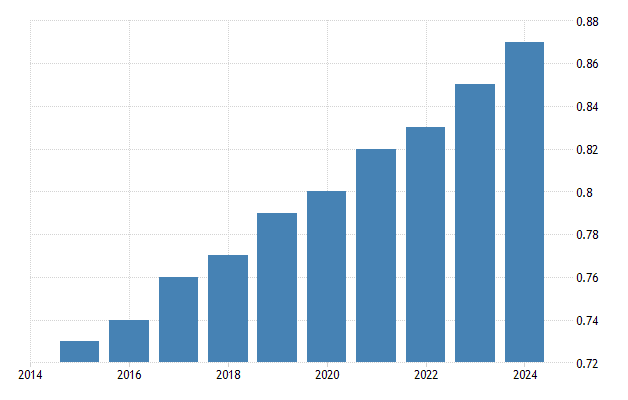
Comoros has experienced steady population growth, reaching around 876,000–883,000 people in early 2025, rising by approximately 1.9% since 2024. The population remains predominantly rural, with about 69–70% living outside urban centers . The median age is young—around 20.6 years—reflecting a high proportion of children and youth: roughly 38% are under 15, about 58% are of working age (15–64), and just 4–5% are elderly (65+) .
While fertility rates remain relatively high (around 3.8 children per woman, with modern contraception use low at 20%), declining birth rates hint at a gradual demographic shift. Life expectancy stands around 67 years, and slow aging is evident: the share of over-65s has risen from around 4% in the early 1990s to 4.4% in 2023, projected to reach 6.1% by 2043 .
Comoros is moving toward a demographic window where its working-age population surpasses dependents, offering potential economic benefits. However, this so-called "demographic dividend" is not expected to materialise until after 2040, due to persistently high fertility and a still young population
Touristic Cities
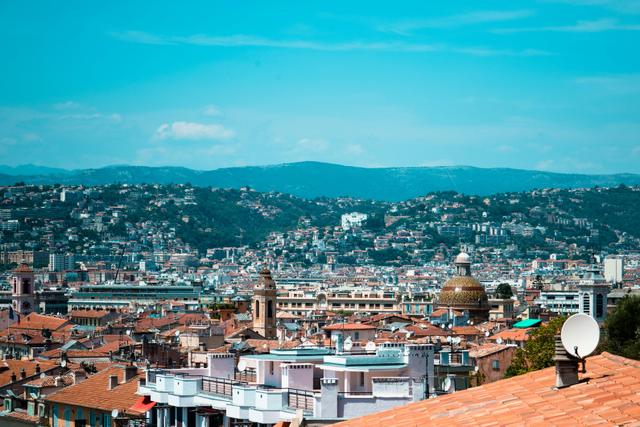
Moroni
Moroni, the capital city of the Union of the Comoros, is a charming and relatively untouched destination nestled on Grande Comore (Ngazidja), the largest of the Comorian islands in the Indian Ocean. Though small and modest compared to major global capitals, Moroni offers a unique and enriching travel experience—a blend of Swahili, Arab, French, and African cultures surrounded by natural beauty.
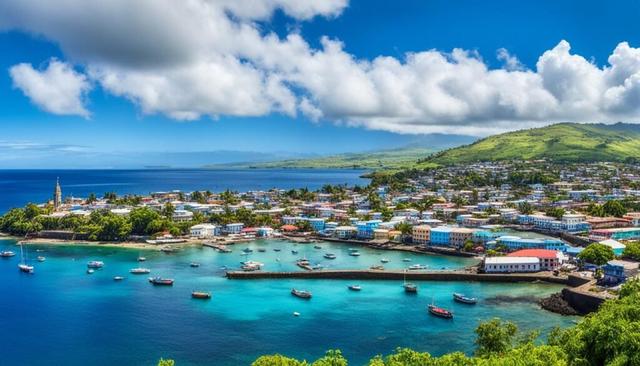
Mutsamudu
Mutsamudu, the capital of Anjouan Island in the Union of the Comoros, is a captivating blend of history, culture, and natural beauty that offers a unique experience for adventurous travelers. As the second-largest city in the archipelago, Mutsamudu is steeped in Swahili-Arab heritage, with narrow winding streets, traditional stone houses, and one of the oldest medinas in the Indian Ocean region. Its iconic 18th-century citadel, built to defend the town against pirates and colonial forces, still stands as a symbol of the city’s historical resilience.
Unlike typical tourist hubs, Mutsamudu remains largely untouched by mass tourism, making it ideal for those seeking authenticity. The nearby beaches, although modest compared to other tropical destinations, offer tranquil views and opportunities for snorkeling in coral-rich waters. Just beyond the city, the island’s volcanic interior—marked by lush rainforests, waterfalls, and hiking trails within Mount Ntringui National Park—provides eco-tourism adventures for nature lovers and hikers.
The city's vibrant local markets and simple eateries serve up fragrant Comorian dishes infused with coconut, spices, and fresh seafood, reflecting the island's multicultural roots. Mutsamudu’s laid-back atmosphere, friendly locals, and cultural depth make it a rewarding stop for those who wish to explore the Comoros beyond its capital, Moroni.
Fomboni
Fomboni, the capital of Mohéli (also called Mwali), is the smallest and quietest of the three main islands in the Union of the Comoros. Nestled along the island’s western coast, Fomboni offers a tranquil and authentic island experience, far removed from the pace of modern tourism. It is known for its untouched natural beauty, simple way of life, and friendly, welcoming community.
Though modest in size and development, Fomboni serves as the island's administrative and economic center. The town itself is laid-back, with small local markets, a peaceful seafront, and colonial-era architecture that speaks to its French and Swahili heritage. What makes Fomboni particularly special is its access to Mohéli’s extraordinary biodiversity. The surrounding region is home to Mohéli Marine Park, the first and only marine park in the Comoros, where travelers can witness humpback whales, sea turtles, dolphins, and thriving coral reefs in their natural habitats.
The area also offers scenic beaches, traditional fishing villages, and forested hills that invite hiking and birdwatching. Fomboni and its surroundings are ideal for eco-tourism, sustainable travel, and those looking to explore untouched island culture. Electricity and infrastructure may be limited in some areas, but that only adds to its raw and unfiltered charm.
In essence, Fomboni is a hidden jewel of the Indian Ocean—a peaceful retreat for travelers seeking connection with nature, local culture, and a pace of life that hasn’t changed for generations.
Accomodation
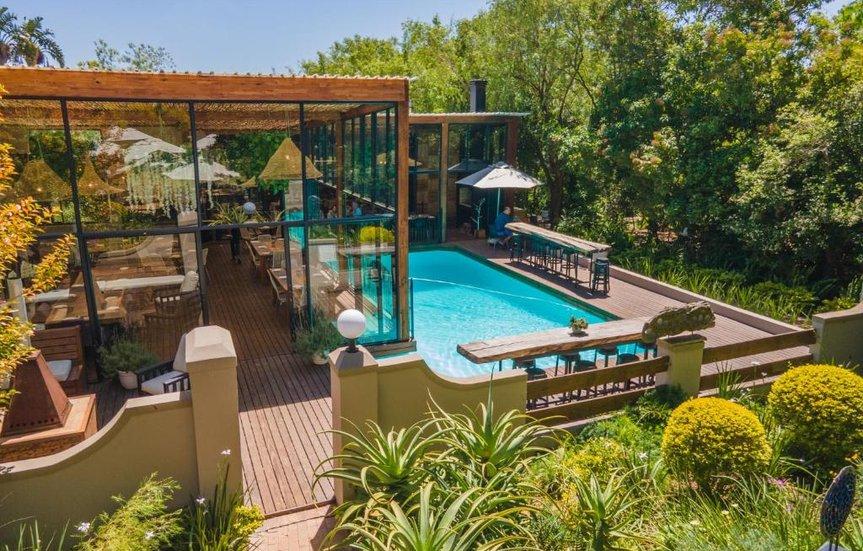
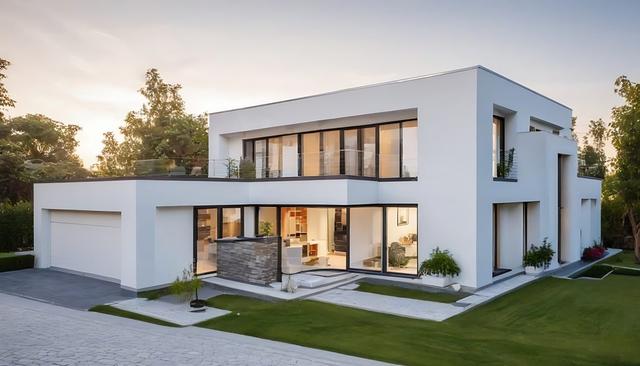
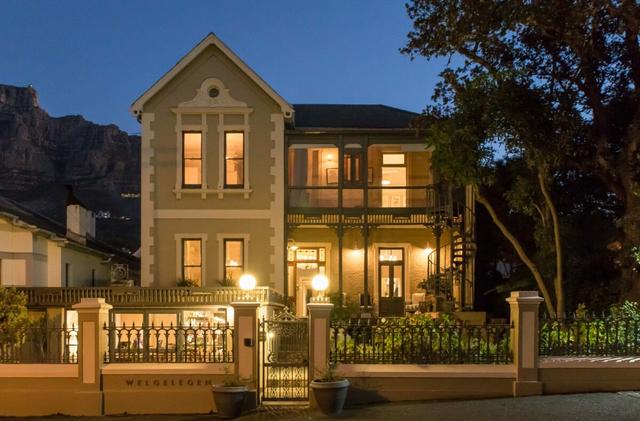
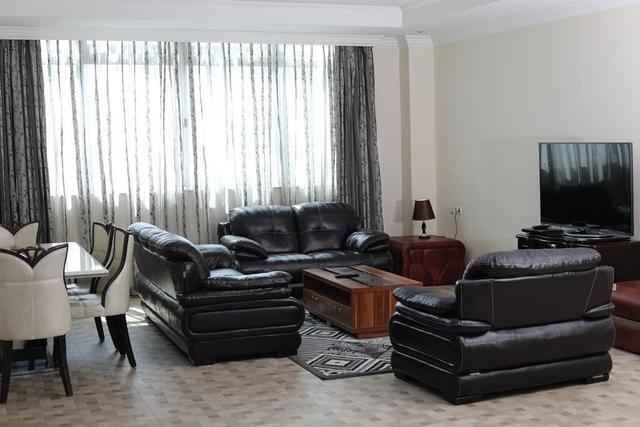
Guest houses
Guesthouses in Comoros offer simple, affordable, and authentic accommodation options for travelers exploring the islands of Grande Comore (Ngazidja), Anjouan (Ndzuwani), and Mohéli (Mwali). These are typically locally-owned establishments that provide basic amenities like clean rooms, private or shared bathrooms, mosquito nets, and home-cooked meals.
Most guesthouses are family-run, creating a warm, communal atmosphere where guests can interact with locals and experience daily island life. While not luxurious, many are conveniently located near beaches, town centers, or natural attractions, making them ideal for budget travelers, backpackers, and eco-tourists.
Popular options can be found in Moroni, Mutsamudu, and Fomboni, and some guesthouses even help organize guided tours, boat trips, or cultural excursions. Guests should expect modest facilities, but genuine hospitality, peaceful settings, and unique cultural immersion more than make up for it.
Hotels and resorts
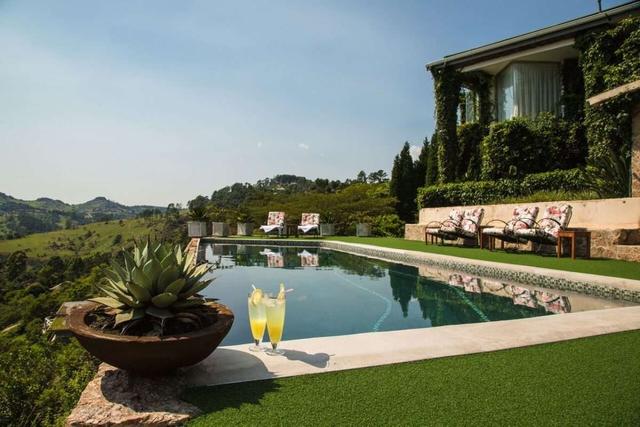
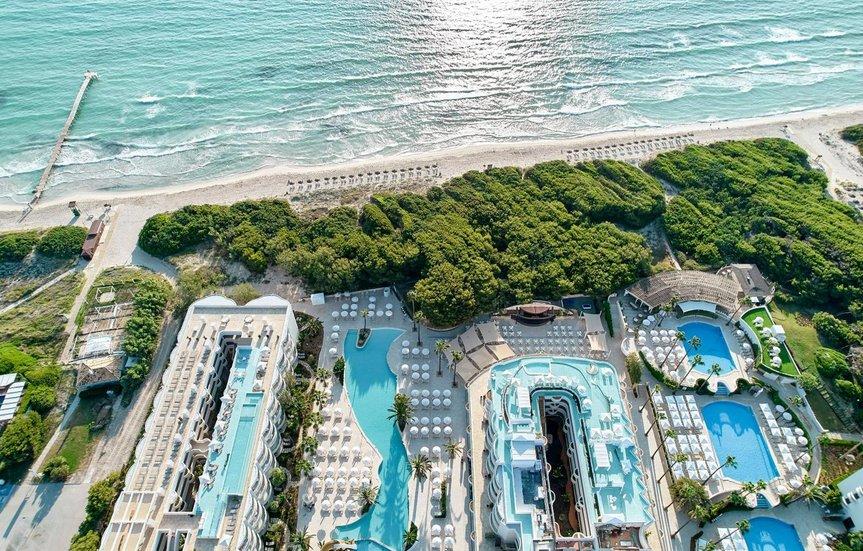
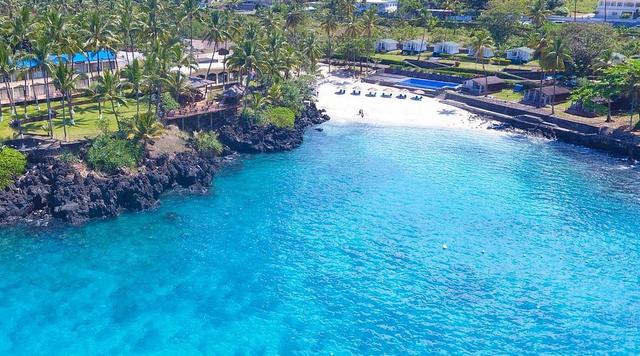
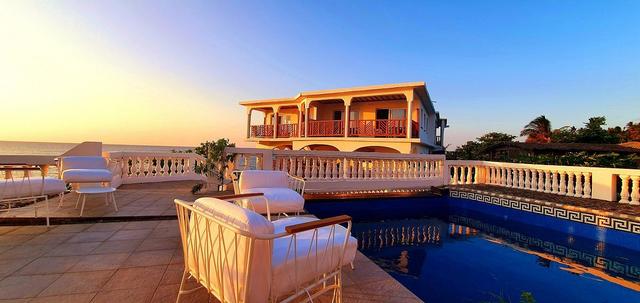
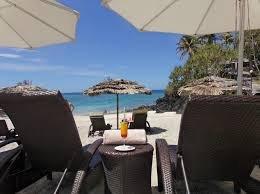
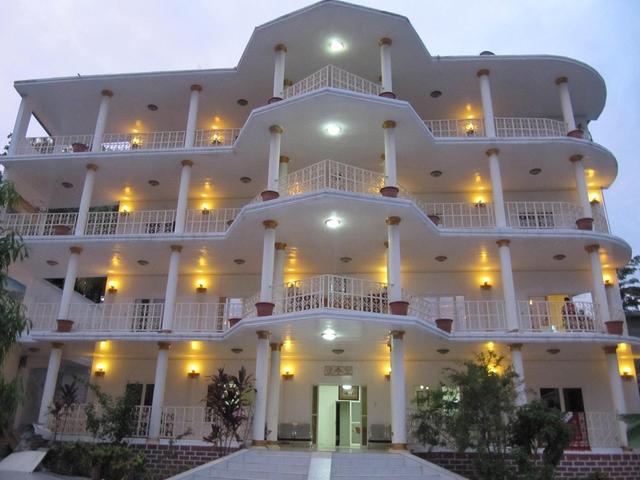
Hotels and resorts in Comoros offer a mix of comfort, natural beauty, and cultural charm, catering to a range of travelers from eco-tourists to luxury seekers. In the capital Moroni, properties like Itsandra Beach Hotel and Retaj Moroni provide beachfront views, modern amenities, and convenient access to city attractions. On the quieter island of Mohéli, eco-lodges such as Mohéli Laka Lodge and Vanilla Lodge offer a more rustic, nature-immersive experience, especially for those interested in marine life and conservation. Anjouan’s Al Amal Hotel provides cozy accommodations close to historic sites and local markets. While many of the country’s accommodations are modest and locally run, they are known for warm hospitality and scenic settings, often surrounded by pristine beaches, lush forests, or volcanic landscapes.
Campings
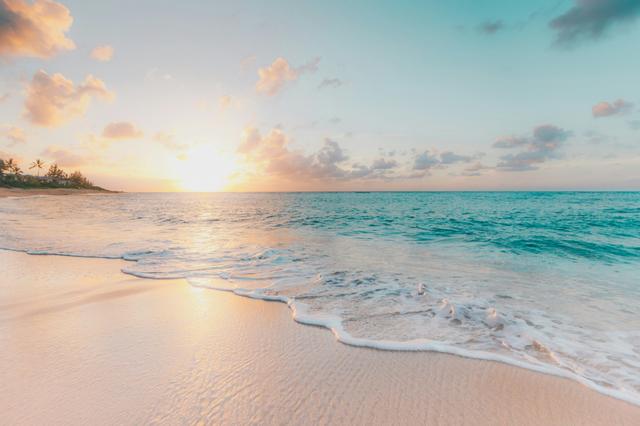
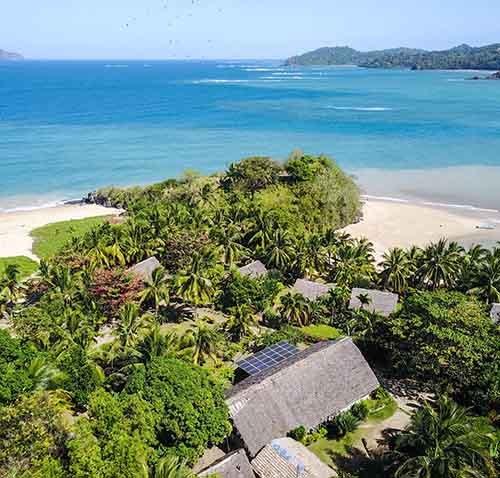
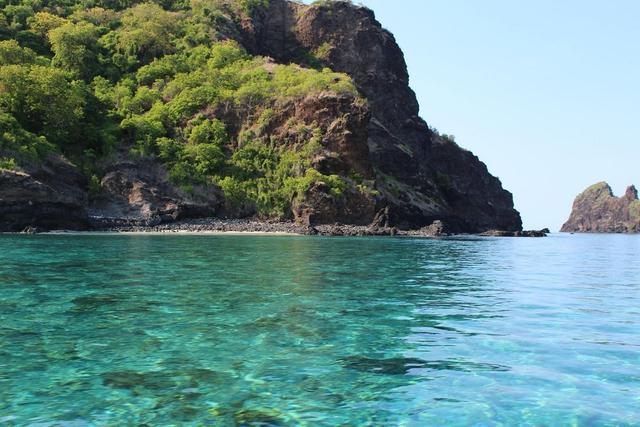
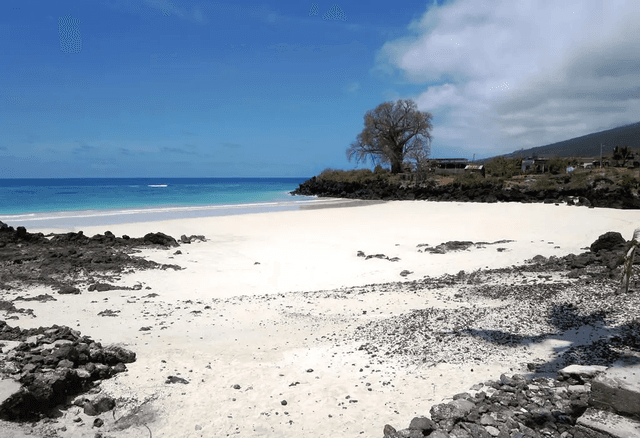
Camping in Comoros is a truly off-the-grid experience, offering adventurous travelers the chance to sleep under the stars on secluded beaches and rugged coastlines. The eastern coast of Grande Comore, including pristine spots like Bouni and Chomoni, features gently sloping shores ideal for pitching tents, while Mohéli’s Nioumachoua Beach and nearby islets allow for basic beach camping and eco-lodge stays — often organized through community groups in Itsamia and Ouallah. These rustic sites may lack electricity or internet, but they reward campers with dawn walks on white sands, guided boat trips, wildlife sightings, and immersion in the natural beauty of the first marine national park in the nation . If you prefer a touch of comfort, glamping options are also emerging on the islands, blending outdoor life with elevated amenities . Camping there may require some logistics—packing gear, arranging transport via shared taxis or boats, and being flexible during the rainy season—but the payoff is an intimate, nature-driven escape few travelers ever experience.

Requirements for Visa
Documents to be submitted for your application
- Visa-on-arrival available to all nationalities, including Ugandans, valid for up to 45 day
- Standard fee is typically €30–50 (approx. US$30–50)
- Passport valid for at least 6 months beyond your arrival date, with at least one blank page.
- Proof of onward or return travel (flight itinerary or ticket)
- Proof of sufficient funds for your stay may be requested .
- Accommodation evidence, such as hotel booking or an invitation letter.
- A yellow fever vaccination certificate is required if you're arriving from an endemic region.
- Children need their own completed visa forms, birth certificates, and if traveling without both parents, a parental consent letter.
- Overstaying up to 30 days may result in being declared “undesirable” and banned for 2 years.
- Overstaying 31–90 days can lead to a 3-year ban, fines, or other penalties.
- You can also apply ahead of time via a Comoros embassy or consulate, though most travelers prefer visa-on-arrival.
- No pre-travel visa required—you'll receive one upon arrival.
- Stay permitted: up to 45 days.
- Bring required documents: valid passport, return ticket, proof of funds, accommodation, and vaccination certificate (if needed).
Economy of Comoros
Agriculture, forestry, and fishing
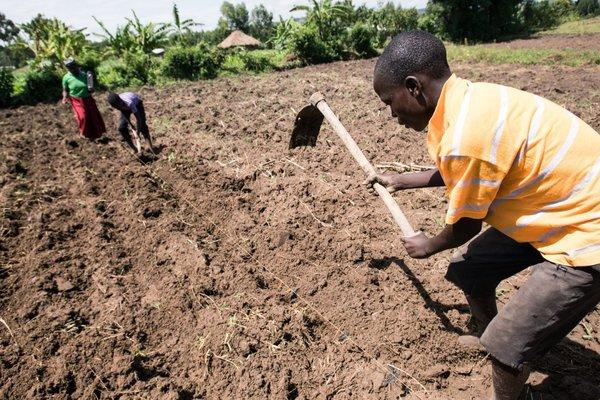
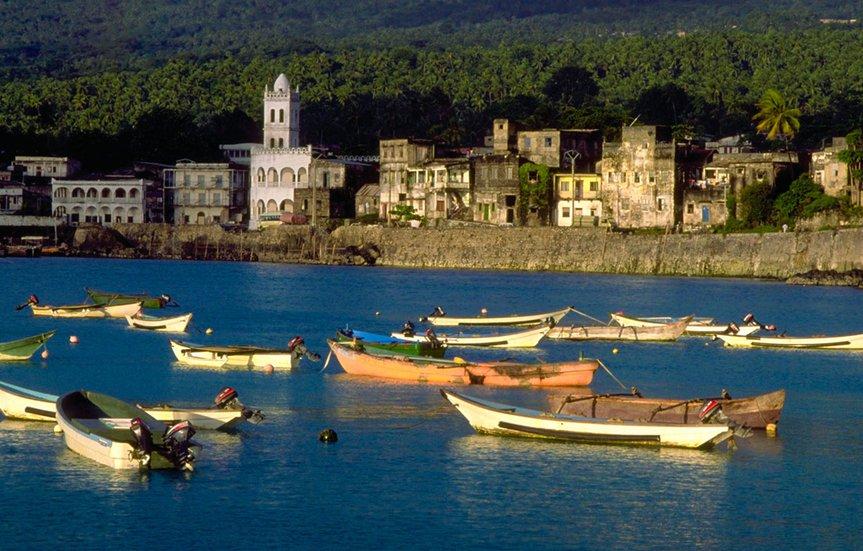
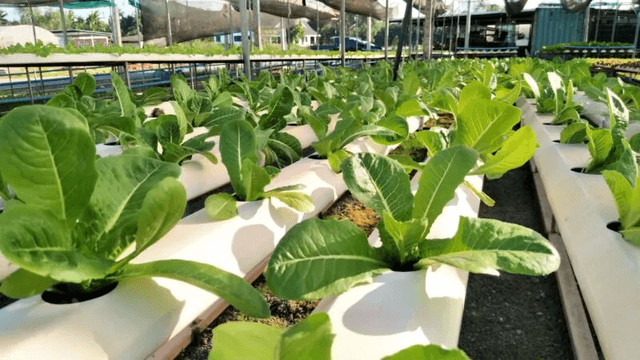
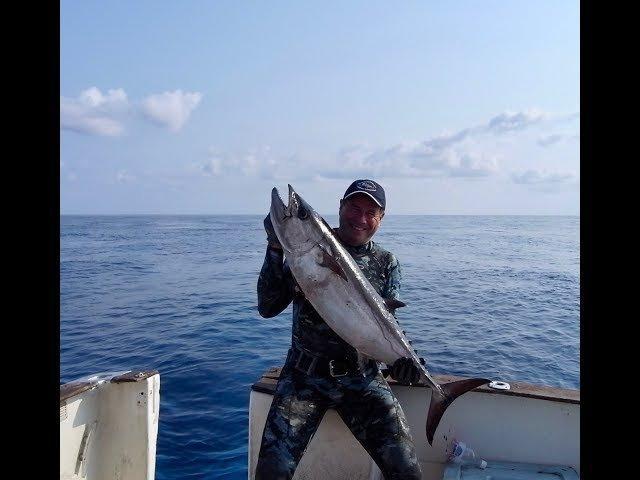
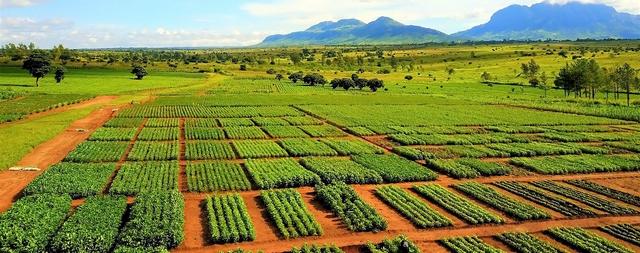
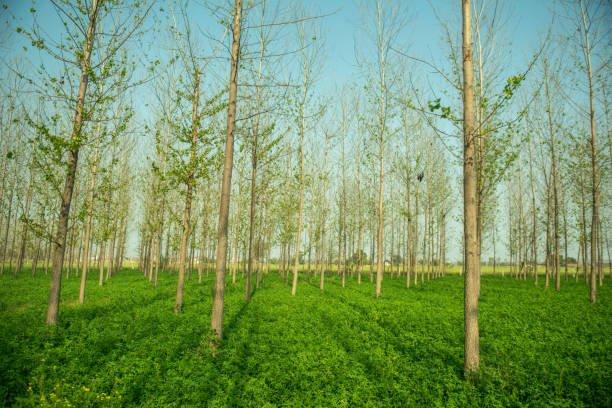
Agriculture, forestry, and fishing are key sectors of Comoros' economy, with agriculture being the main source of livelihood for much of the population. Key agricultural products include vanilla, cloves, ylang-ylang, and coconuts, alongside staples like cassava and bananas. However, agriculture faces challenges such as land degradation and the impacts of climate change. Forestry, while providing timber, firewood, and charcoal, is under pressure from deforestation. Efforts toward sustainable practices and reforestation are ongoing. Fishing is also vital, with artisanal fishing and commercial tuna and octopus fishing supporting both local consumption and exports. The government is working to improve sustainability in all sectors, with a focus on marine conservation and protecting forest resources.
Resources and power
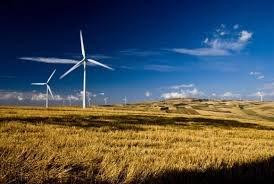
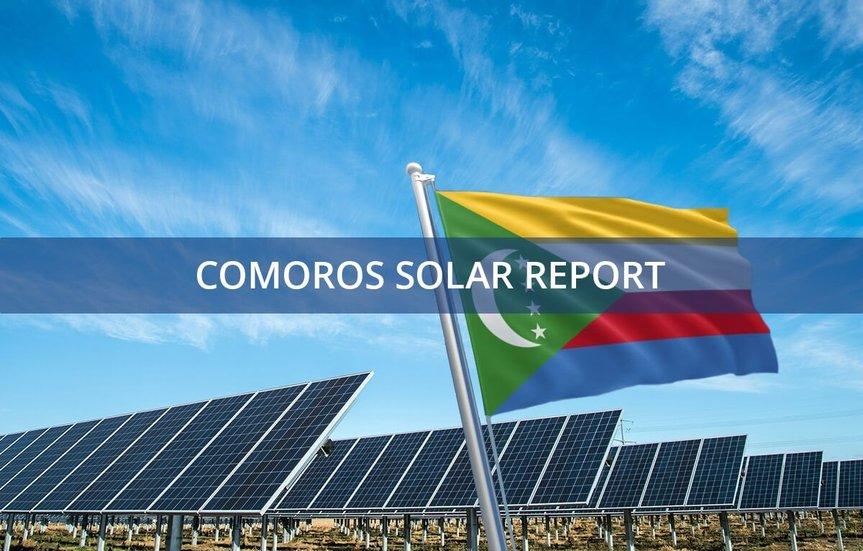
Comoros' resources are primarily based on agriculture, marine life, and limited forestry, with key exports including vanilla, cloves, and ylang-ylang. The country faces challenges like deforestation and over-reliance on imports for industrial needs. The energy sector depends heavily on diesel generators, with limited domestic power production and interest in solar energy for sustainability. While the islands have abundant rainwater and freshwater sources, water management remains a key issue. Efforts to diversify energy sources and improve infrastructure are ongoing.
Manufacturing
Manufacturing in Comoros is small-scale and mainly focused on food processing, such as coconut oil, spices, and vanilla. The country also produces some handicrafts and basic goods for local consumption. The sector faces challenges like limited infrastructure, high production costs, and reliance on imports. While manufacturing is not a major contributor to the economy, the government is looking to develop the sector through small-scale industrial projects and investments in renewable energy.

Finance
Comoros' financial sector is underdeveloped, with limited banking services and a reliance on informal financial networks. Key institutions include a few commercial banks and the Banque Centrale des Comores. The country uses the Comorian franc (KMF), and remittances from the diaspora are vital to the economy. However, there is low financial inclusion, and many people lack access to formal banking. The sector struggles with limited investment, economic instability, and dependence on foreign aid. Despite these challenges, the government is working to modernize the financial system and attract more investment.
Trade
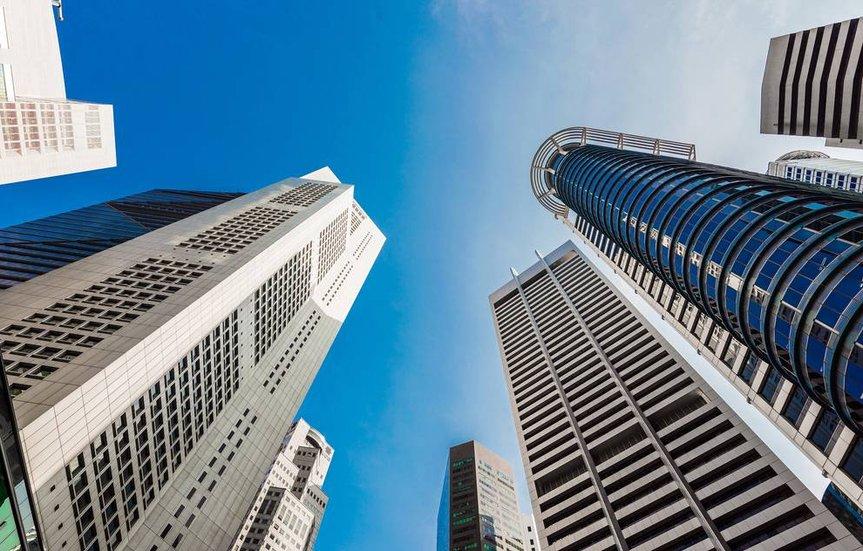
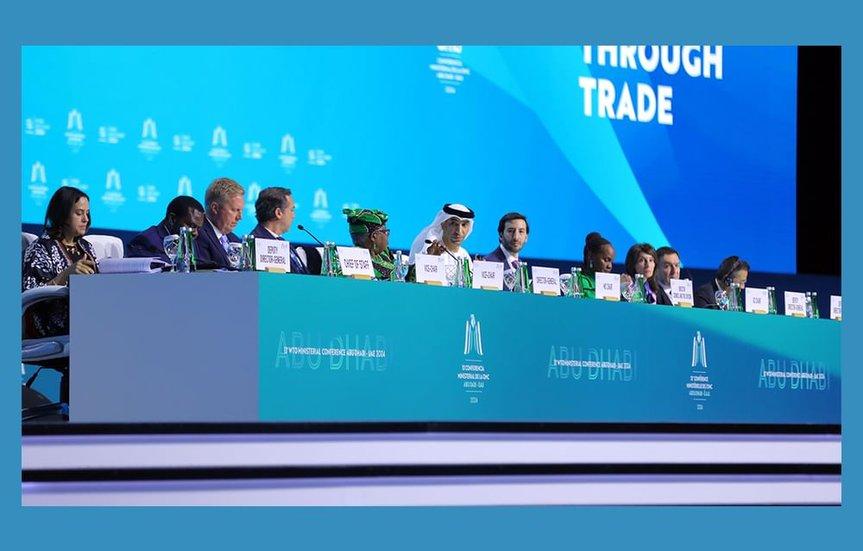
Trade in Comoros is heavily reliant on agricultural exports like vanilla, cloves, and ylang-ylang, with France being the largest trading partner. The country imports fuel, machinery, and consumer goods, creating a trade imbalance. Comoros faces challenges such as limited infrastructure, high import costs, and vulnerability to global commodity price fluctuations. However, there are opportunities to diversify trade through sectors like tourism and eco-friendly products, with efforts to improve export potential and reduce dependence on a few key exports.
Labour and taxation
Comoros faces challenges with high unemployment and a dominantly informal labor market, with most people employed in agriculture and fishing. While labor laws protect workers' rights, enforcement is weak. The tax system is underdeveloped, with low tax compliance due to a small formal economy and widespread informal work. Income tax rates are progressive, but tax collection remains a struggle. The country depends heavily on foreign aid and remittances for funding. Efforts are underway to improve tax compliance and expand the formal economy, offering opportunities for growth.
Transportation and telecommunications
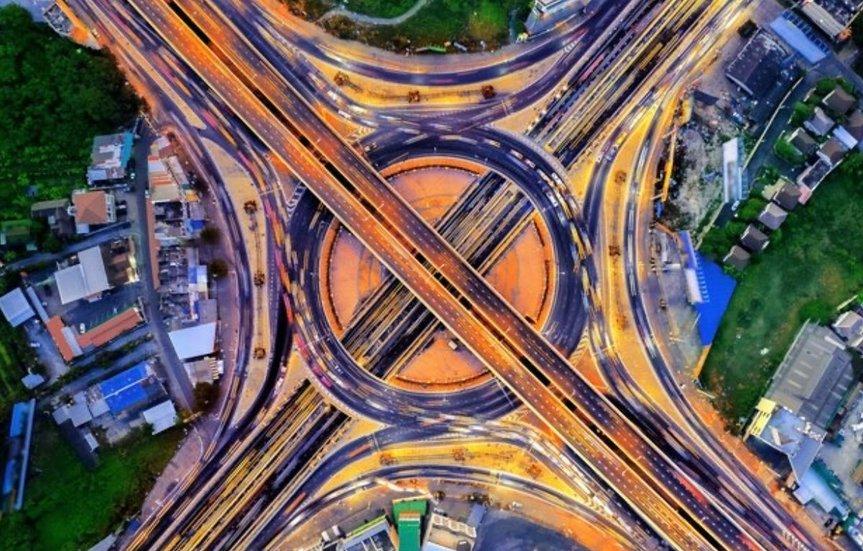
Comoros lies in the growing potential for improvement and the progress that has already been made. Mobile phone usage is widespread, providing an essential means of communication, especially in rural areas. The popularity of mobile money services facilitates financial inclusion, allowing for easier transactions, remittances, and payments. While internet access is limited, there has been an expansion of 4G services in urban centers, gradually improving connectivity.
In terms of transportation, the government is actively working on infrastructure improvements, with ongoing projects aimed at enhancing roads, ports, and airport facilities. This could eventually improve inter-island connectivity and trade efficiency, benefiting both local residents and businesses. Despite the challenges, these developments point to a growing optimism for future growth and modernization in both sectors.