Eritrea
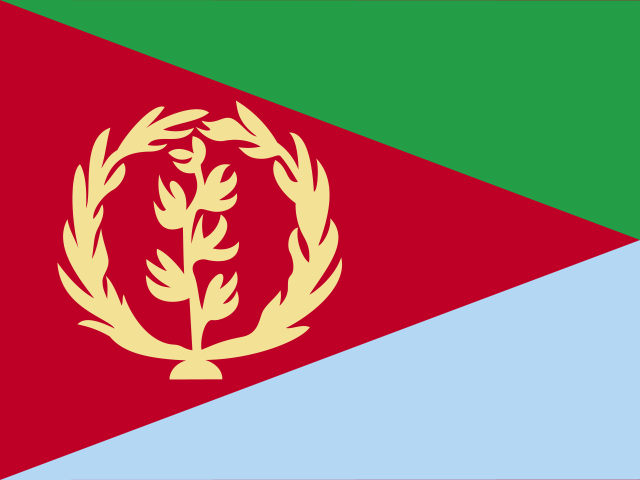
Eritrea is a country located in the Horn of Africa, bordered by Sudan to the west, Ethiopia to the south, and Djibouti to the southeast. To the northeast and east, it has an extensive coastline along the Red Sea.

Horn of Africa

1,100 sq km

UTC +3:00

3.6 Million

Arabic ,English,Tigrinya

Christianity, Islam

ERN

Isaias Afwerki
Brief
Eritrea is a country located in the Horn of Africa, bordered by Sudan to the west, Ethiopia to the south, and Djibouti to the southeast. To the northeast and east, it has an extensive coastline along the Red Sea, making it strategically significant for maritime trade and military navigation.
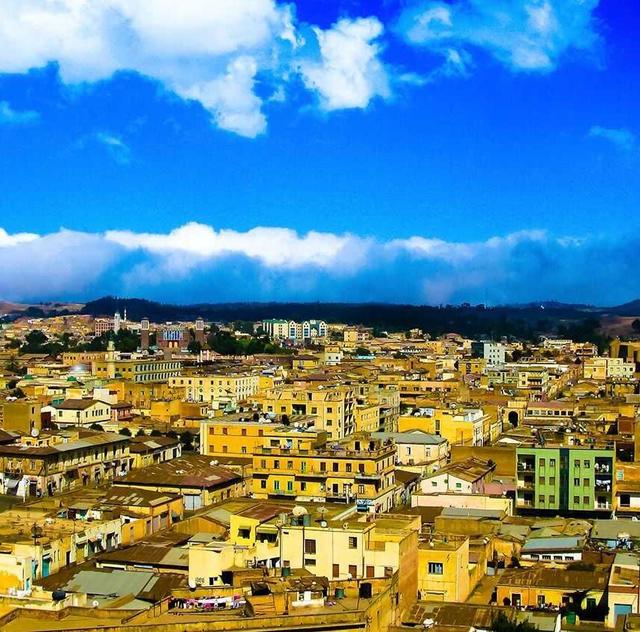
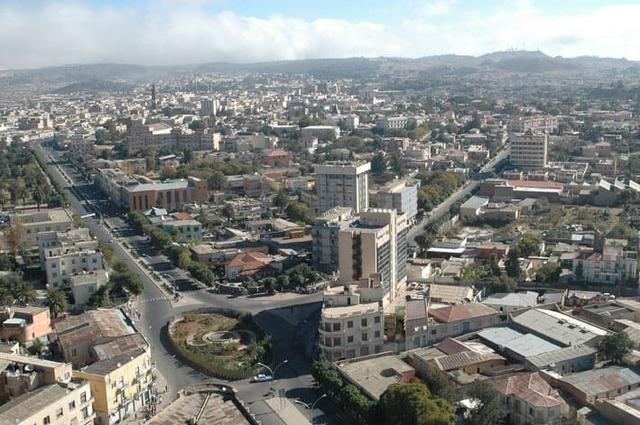
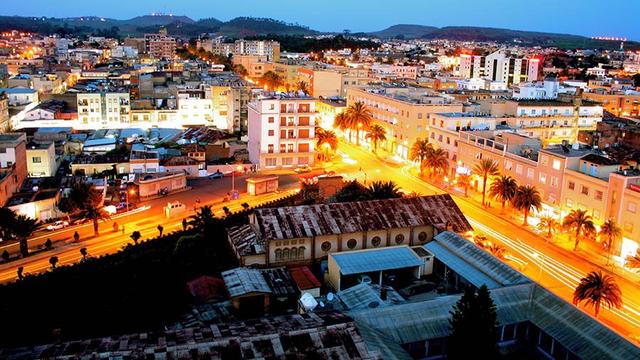
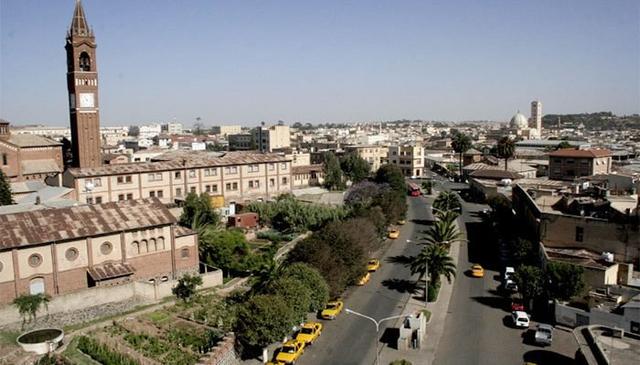
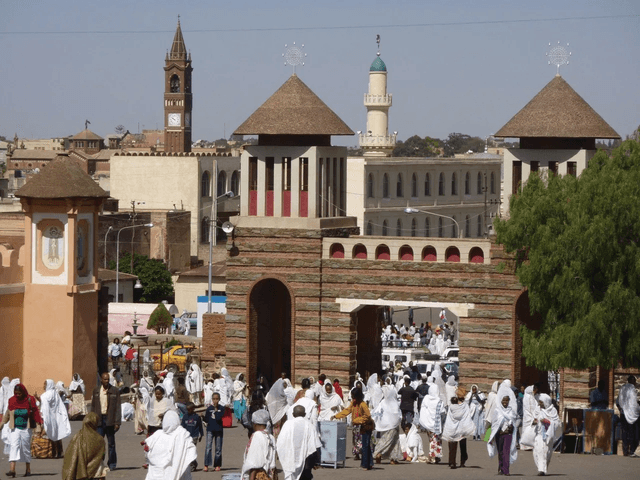
With a population of approximately 3.6 million, Eritrea is one of Africa’s least populous nations. Its capital and largest city is Asmara, known for its well-preserved Italian colonial architecture and Art Deco buildings.
Eritrea gained independence from Ethiopia in 1993, following a 30-year war for liberation. Since then, it has been ruled by President Isaias Afwerki, the country’s first and only head of state. Eritrea has a single-party political system, no national elections since independence, and a mandatory national service policy that has drawn widespread international criticism for human rights concerns.
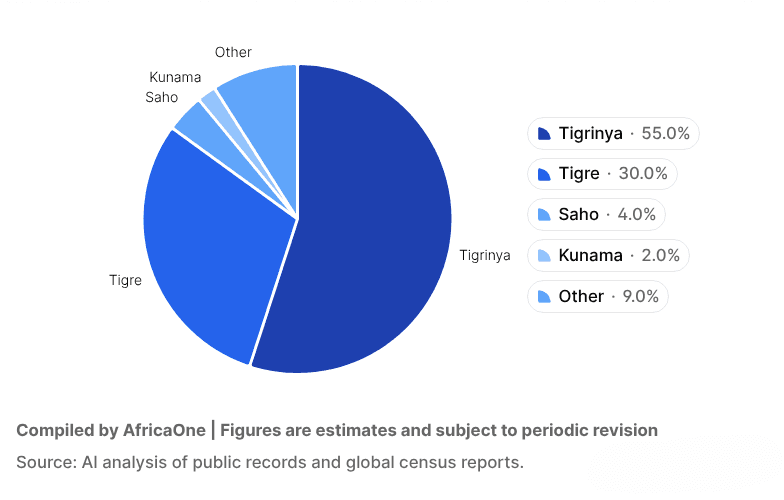
The country is home to diverse ethnic groups, including the Tigrinya, Tigre, and Afar, and it recognizes nine national languages, with Tigrinya, Arabic, and English widely used in education and administration. Religion is also diverse, with significant populations of Sunni Muslims and Orthodox Christians.
Eritrea’s economy is largely based on agriculture, mining, and remittances from its diaspora. It has untapped potential in mining (especially gold, copper, and zinc), and its coastal location gives it strategic importance in regional geopolitics.
Despite its rich cultural heritage and natural beauty, Eritrea remains relatively closed to the outside world and is often referred to as one of the most isolated and militarized countries globally.
Photos and Videos
National Anthem
Cultural Life
Cultural milieu
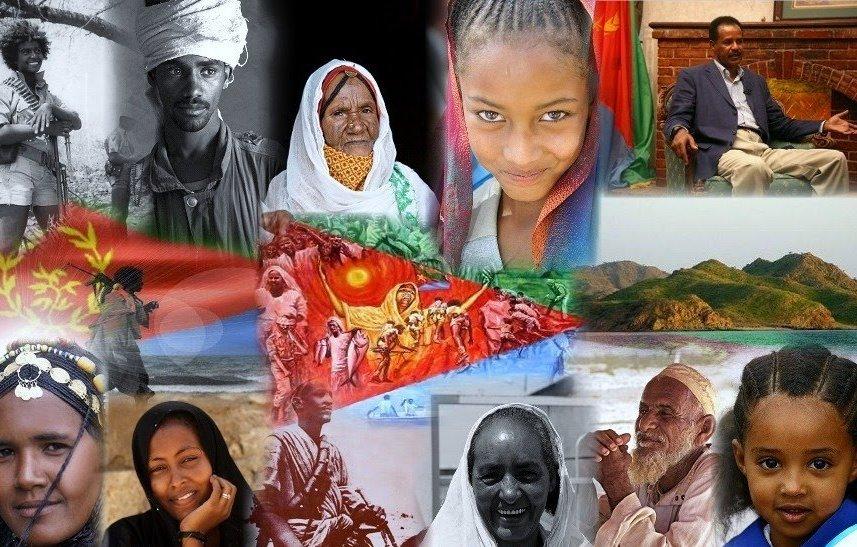
Eritrea’s cultural milieu is a vibrant and complex blend of African, Arab, and Mediterranean influences, shaped by its long history, ethnic diversity, and strategic location in the Horn of Africa. Despite its relatively small population, the country is home to nine officially recognized ethnic groups, each with its own language, traditions, and customs. This rich tapestry of communities contributes to a unique national identity marked by unity in diversity. Religion plays a central role in daily life, with Christianity primarily Eritrean Orthodox and Sunni Islam being the dominant faiths, coexisting alongside traditional beliefs in some areas. The country does not have an official language, but Tigrinya, Arabic, and English are widely spoken and used in education, media, and administration, while each ethnic group maintains its own native tongue.
Family and community are the bedrock of Eritrean society, with strong social values centered around respect for elders, hospitality, and collective responsibility. Cultural expressions such as music, dance, storytelling, and craftsmanship remain vibrant, with each group preserving its unique forms of artistic expression. Cuisine in Eritrea reflects both local ingredients and historical influences, particularly from the Italian colonial period, which left a lasting impact on architecture, food, and urban life especially in the capital, Asmara, known for its striking Art Deco buildings. The Eritrean coffee ceremony, much like in neighboring Ethiopia, is a cherished tradition that brings people together in both rural and urban settings.
Despite political challenges and limited external engagement, Eritrea has maintained a strong sense of cultural pride and resilience. Its cultural landscape is a reflection of its people’s endurance, creativity, and deep-rooted sense of belonging, making Eritrea a unique and culturally rich nation within Africa and the wider world.
Daily life and social customs
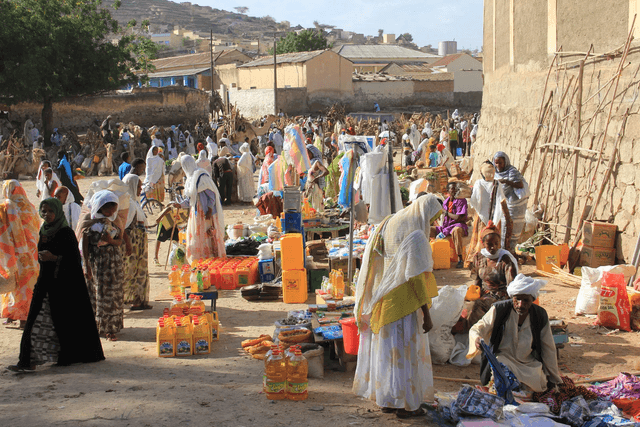
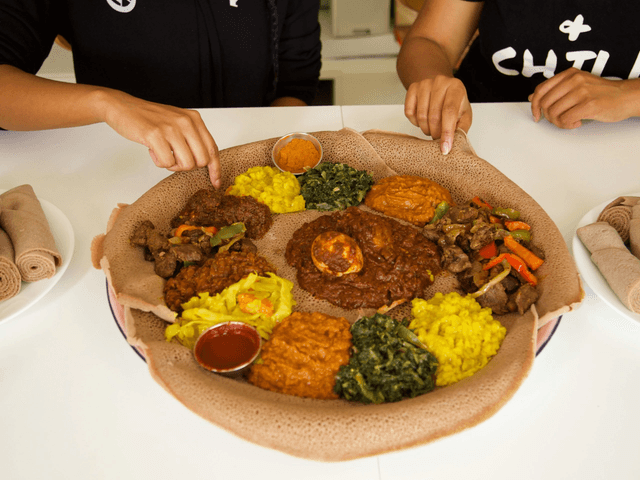
Daily life and social customs in Eritrea are deeply rooted in tradition, community values, and religious observance. Family plays a central role in everyday life, with extended families often living close together and elders held in high regard. Decisions such as marriage or career choices are typically made in consultation with family, reflecting the communal nature of society. Hospitality is a cherished cultural value, and guests are warmly welcomed and offered coffee or tea as a sign of respect. Sharing meals is common, often involving the traditional flatbread injera accompanied by spicy stews like zigni or shiro. Meals are usually eaten from a communal plate, reinforcing a sense of unity and togetherness.
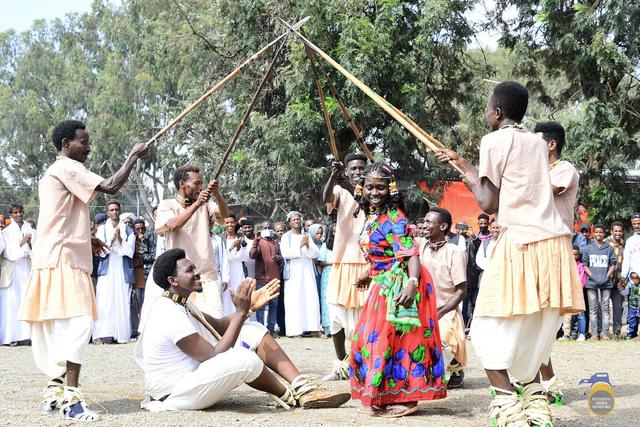
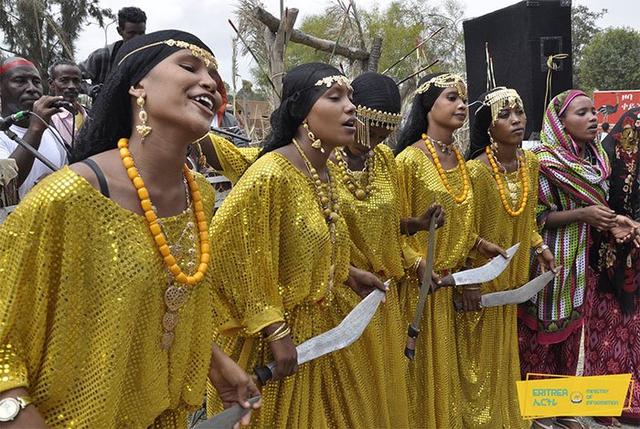
Religion primarily Christianity and Islam shapes daily routines and social behavior, with prayers, fasting, and religious holidays observed widely. In rural areas, daily life revolves around farming and livestock, while urban centers like Asmara reflect a mix of modern work routines and traditional customs. Traditional clothing is worn especially during festivals and religious occasions, though Western-style dress is also common in cities. The Eritrean coffee ceremony remains a vital social ritual, symbolizing hospitality and community bonding. Celebrations, whether religious or national, are marked by music, dance, and communal gatherings. Despite the challenges of political restrictions and limited resources, Eritrean society remains closely knit, with strong social cohesion and deep-rooted cultural pride shaping everyday interactions.
Cuisine
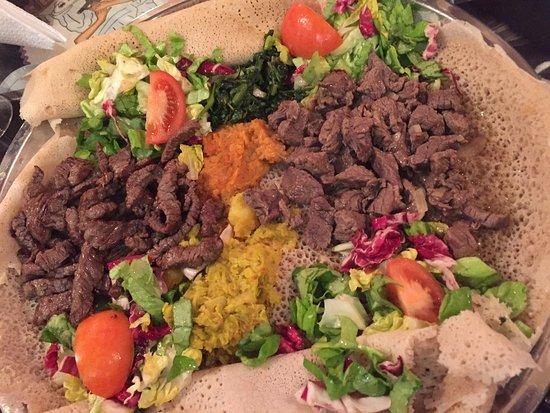
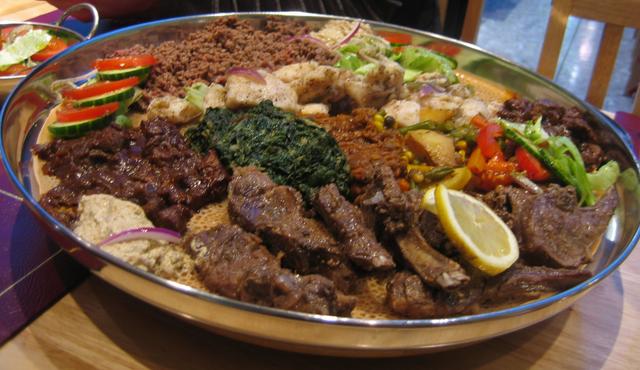
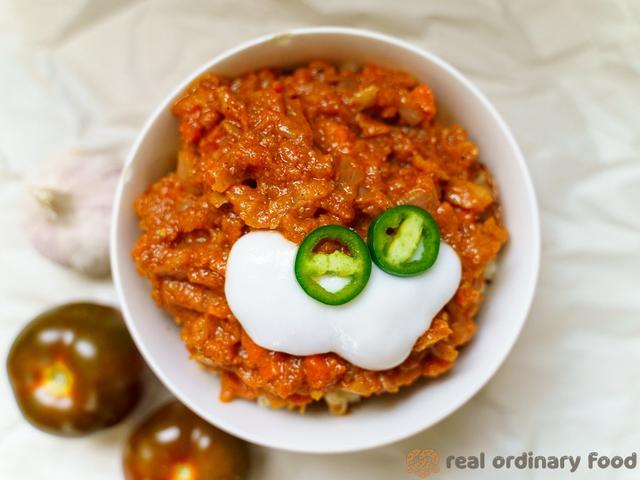
Eritrean cuisine is a rich blend of African, Middle Eastern, and Mediterranean influences, centered around injera, a sour flatbread used to scoop up stews like zigni (spicy meat), shiro (chickpea paste), and various vegetable dishes. Meals are traditionally shared from a communal plate, emphasizing togetherness and hospitality. Religious fasting influences the frequent use of vegetarian dishes, while meat is reserved for special occasions. The coffee ceremony is a key social ritual, and Italian colonial influence is evident in the popularity of pasta, espresso, and pastries in urban areas. Eritrean food is flavorful, communal, and deeply tied to the country’s cultural identity.
Music
Music in Eritrea is a vibrant and essential part of the country’s cultural identity, deeply intertwined with its ethnic diversity, history, and traditions. With nine recognized ethnic groups, each community brings its own musical styles, instruments, and rhythms, making Eritrean music rich and varied.
Traditional music is often performed at community gatherings, weddings, religious celebrations, and national holidays. It features distinctive rhythms, vocal styles, and dances specific to each ethnic group. For example, Tigrinya music—one of the most popular in the country—often features the krar (a five- or six-stringed lyre), kebero (drum), and wat (fiddle), with lyrics that express love, history, struggle, or everyday life. The Tigre, Afar, Saho, and other groups each have their own unique instruments, song forms, and performance traditions.
During Eritrea's long war for independence, music served as a powerful tool of resistance, unity, and morale. Patriotic songs and revolutionary ballads were composed and performed by freedom fighters and have since become iconic. Many of these songs focused on themes of sacrifice, freedom, and national pride, and they still hold cultural significance today.
Modern Eritrean music blends traditional elements with contemporary genres such as pop, reggae, and R&B. Artists use both local languages and international influences, creating a dynamic musical landscape. Music videos and digital platforms have helped Eritrean music reach both domestic and diaspora audiences.
Dancing is an integral part of Eritrean music. Dances are often group-based and vary from the shoulder-shaking Tigrinya dance to more grounded, rhythmic movements in other cultures. Music and dance together form a key part of community expression and celebration, bridging generations and preserving cultural heritage.
In essence, Eritrean music is more than entertainment—it is a living expression of the nation's history, identity, and communal spirit.
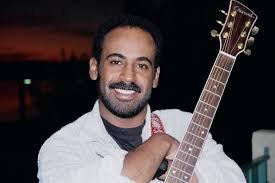
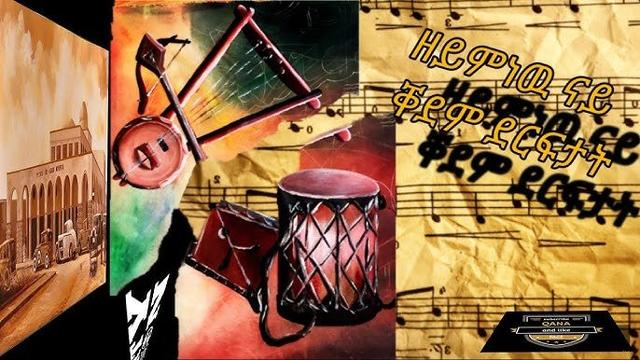
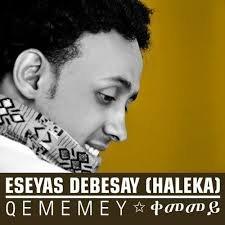
Eritrean Tigrigna old
New Eritrean Music 2025
New Eritrean Music Korchach
The arts
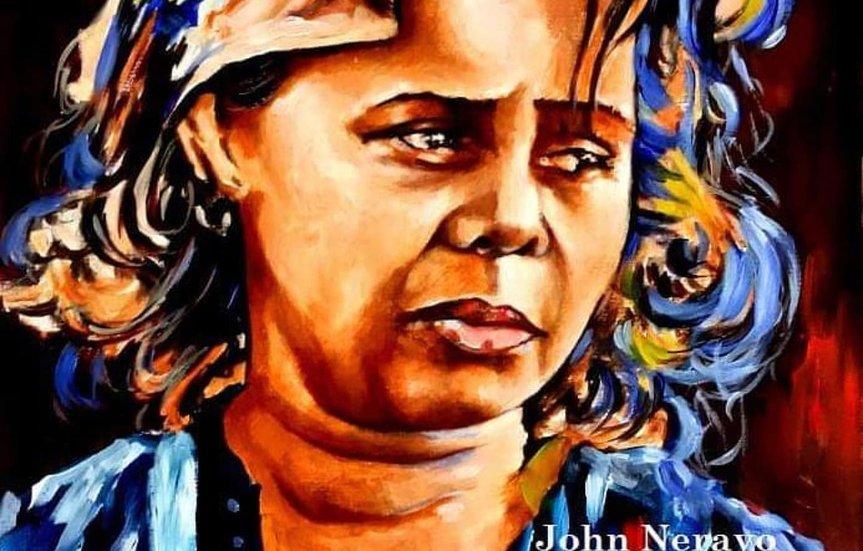
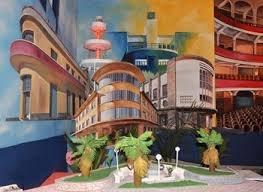
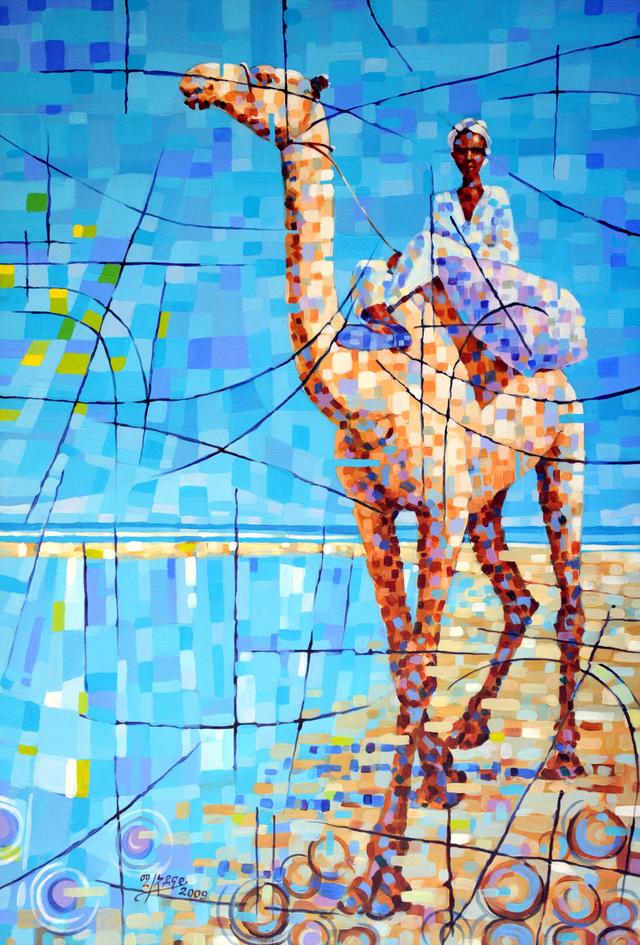
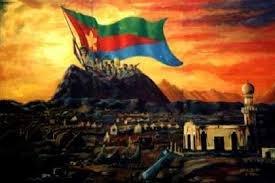
The arts in Eritrea are a reflection of the country's rich cultural heritage, ethnic diversity, and historical resilience. Traditional crafts like weaving, pottery, embroidery, and jewelry-making remain important, especially in rural communities. Asmara, the capital, is renowned for its unique Art Deco architecture, a remnant of Italian colonial influence and now a UNESCO World Heritage Site. Eritrea also has a strong tradition of oral storytelling and poetry, while music and dance are central to cultural expression across all ethnic groups. Despite challenges such as limited artistic freedom and infrastructure, Eritrean artists continue to preserve and evolve their cultural identity both at home and in the diaspora.
People
Ethnic groups
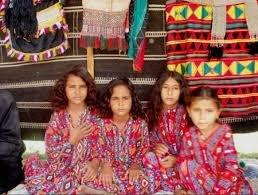
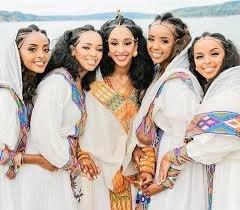
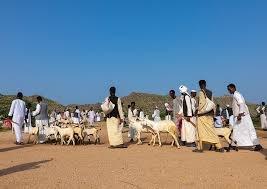
Eritrea is ethnically diverse, with nine officially recognized groups that contribute to its rich cultural identity. The largest are the Tigrinya, mainly Christian highlanders, and the Tigre, mostly Muslim lowlanders. Other groups include the Saho, Afar, Bilen, Kunama, Nara, Hidareb, and Rashaida, each with distinct languages, traditions, and lifestyles. While some are pastoralists or farmers, others have strong oral and artistic traditions. Despite their differences, these groups coexist under a shared national identity that values cultural heritage and unity.
Religion
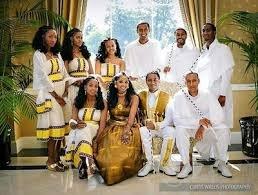
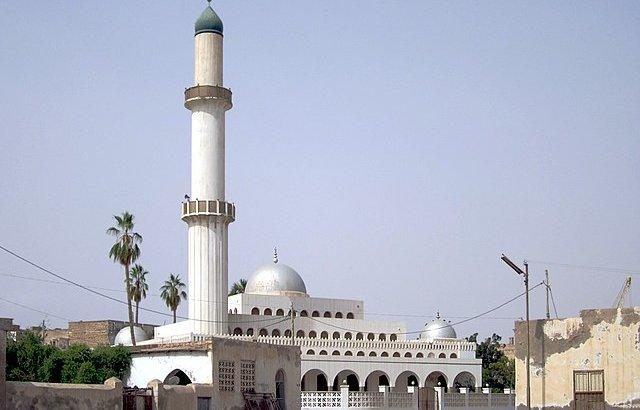
Religion in Eritrea is nearly evenly split between Christianity and Islam, both of which play a central role in daily life and cultural identity. The majority of Christians belong to the Eritrean Orthodox Tewahedo Church, with smaller numbers of Roman Catholics and Protestants. Most Muslims in Eritrea are Sunni and are concentrated in the eastern and western lowlands. Religious practices are deeply respected, with major holidays, fasting periods, and rituals widely observed. Traditional beliefs also persist in some communities. While religion is a vital part of Eritrean society, the government strictly regulates religious activity, officially recognizing only four religious groups.
Settlement patterns
Settlement patterns in Eritrea are shaped by geography, ethnicity, and traditional livelihoods. The population is unevenly distributed across the country, with the majority living in the central highlands, where the climate is cooler and the land more fertile. This region, including the capital Asmara, is primarily inhabited by the Tigrinya ethnic group and features more urbanized and densely populated communities.
In contrast, the western lowlands and coastal plains are more sparsely populated, home mainly to pastoralist and agro-pastoralist communities like the Tigre, Afar, Saho, and Rashaida. These groups often live in small, scattered rural settlements or lead semi-nomadic lifestyles, following traditional patterns of livestock herding and seasonal migration.
Urbanization is limited, with Asmara being the only major city and administrative center, while other towns such as Massawa, Keren, and Assab serve as regional hubs. Most Eritreans still live in rural areas, relying on farming, herding, or small-scale trade, which reflects the country’s largely agrarian economy and close ties to land and tradition.
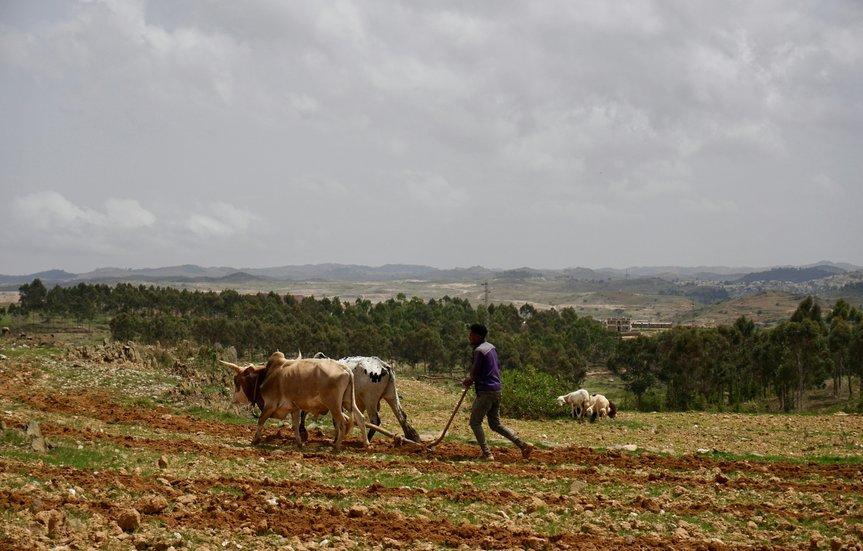
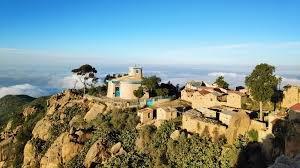
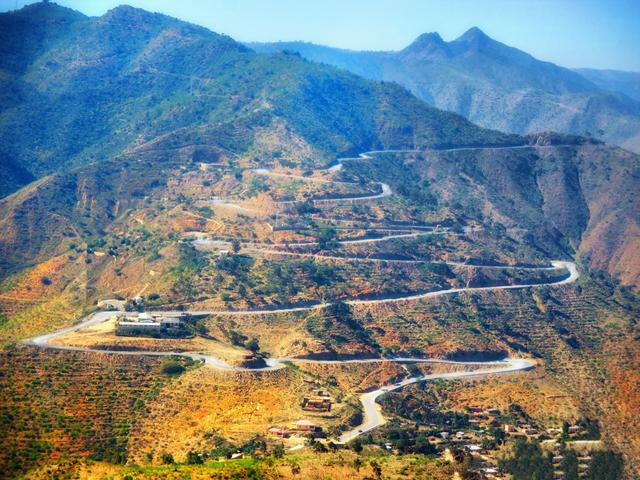
The central highlands of Eritrea are the most densely populated and agriculturally productive region in the country. This area is characterized by elevated terrain, moderate temperatures, and relatively fertile soil, making it well-suited for farming and permanent settlement. The highlands include the capital city, Asmara, which serves as the political, cultural, and economic heart of the nation.
The region is predominantly inhabited by the Tigrinya ethnic group, who are mostly Christian, particularly adherents of the Eritrean Orthodox Tewahedo Church. Traditional stone houses, terraced farming, and ancient churches are common features of the landscape. Agriculture in the highlands focuses on cereal crops such as teff, barley, and wheat, alongside small-scale livestock keeping.
Culturally, the central highlands have a strong historical and religious significance, with deep-rooted traditions, oral history, and church architecture reflecting centuries of civilization and spiritual life. The area has also been a center of education, administration, and resistance movements throughout Eritrea’s modern history.
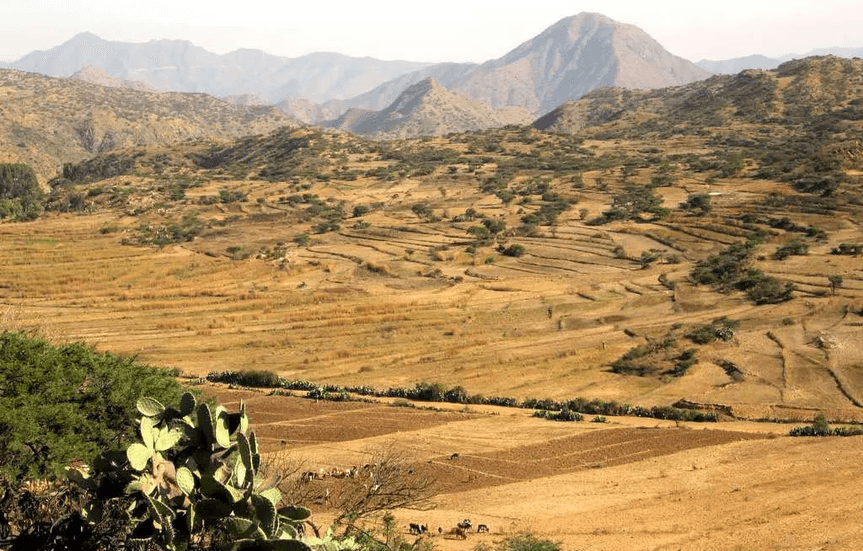
The western lowlands and coastal plains of Eritrea are vast, sparsely populated regions that contrast sharply with the more densely settled central highlands. These areas are characterized by hotter, drier climates, flat or gently rolling terrain, and semi-arid to arid environmental conditions. The western lowlands border Sudan, while the coastal plains stretch along the Red Sea, including key port cities like Massawa and Assab.
The western lowlands are mainly inhabited by ethnic groups such as the Tigre, Kunama, Nara, and Hidareb, many of whom practice Islam and follow agro-pastoralist or nomadic lifestyles. Agriculture, where feasible, includes sorghum, millet, and livestock herding, with seasonal migration common due to variable rainfall and grazing conditions.
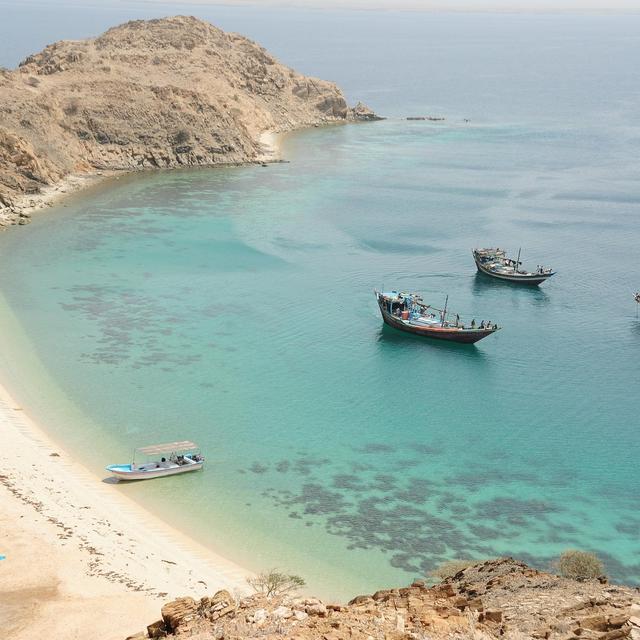
The coastal plains, especially around Massawa and Assab, have historically served as important trade and fishing hubs due to their access to the Red Sea. These areas are inhabited by groups such as the Afar and Rashaida, who are also primarily Muslim and known for their nomadic and maritime traditions.
Despite their challenging environment, the lowlands and coastal areas are culturally rich and strategically significant. Their diversity, mobility, and resilience reflect the adaptive lifestyles of the communities that have lived there for generations, contributing to Eritrea’s national identity and regional connectivity.
Demographic trends
Eritrea’s demographic trends reveal a youthful and growing population, currently estimated at around 3.5 to 3.6 million people. With a high fertility rate of about 3.6 births per woman and nearly 38% of the population under the age of 15, the country has one of the youngest populations globally, with a median age of approximately 19 to 21 years. Urbanization is gradually increasing, with around 40–44% of Eritreans living in cities, particularly in the capital, Asmara. However, the country also faces significant emigration, with a consistently negative net migration rate as many citizens seek opportunities abroad due to economic challenges and political restrictions. This outflow contributes to a high dependency ratio, placing pressure on the working-age population. While Eritrea’s youthful demographic presents potential for future development, it also poses challenges related to employment, social services, and long-term economic planning.
Touristic Cities
Asmara,The capital of Eritrea
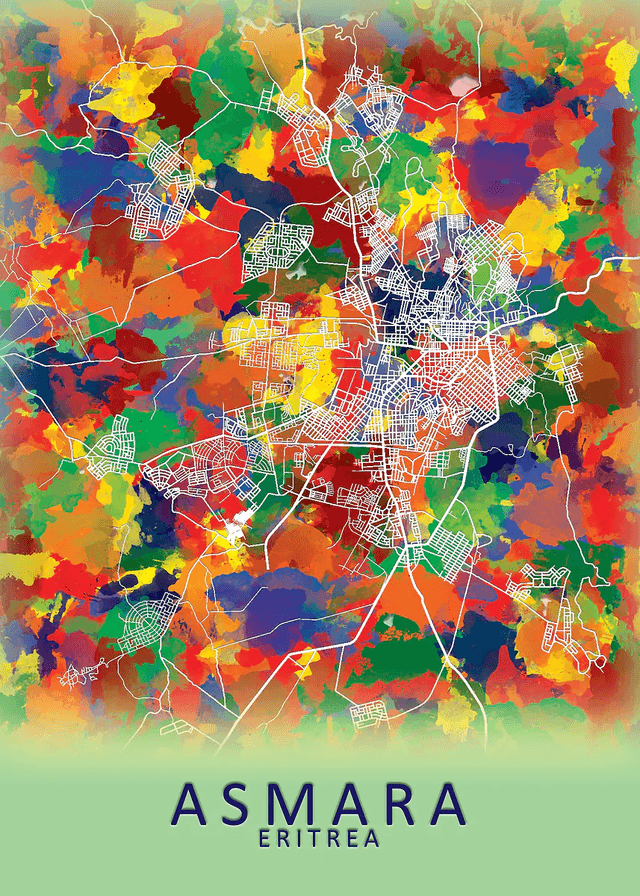
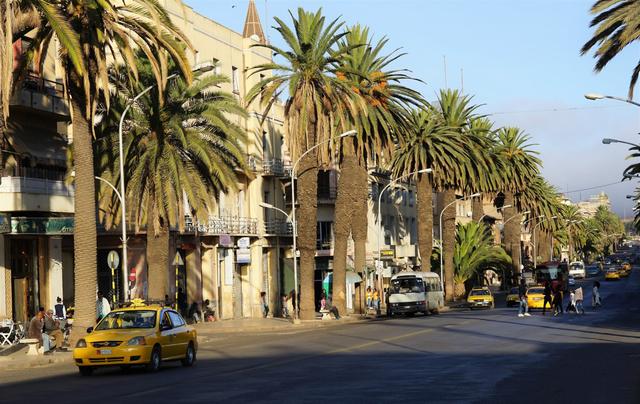
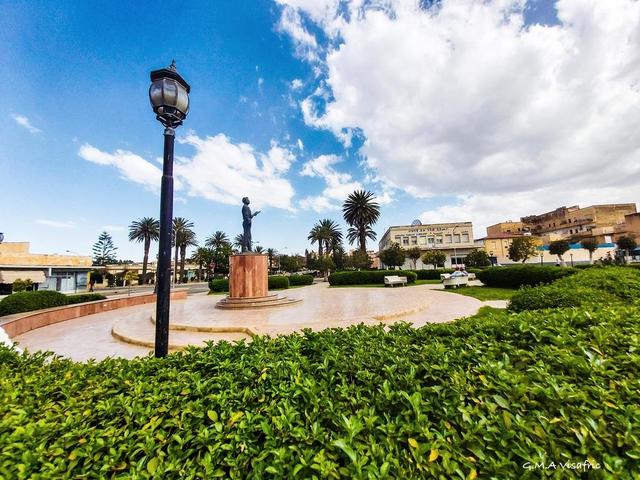
Asmara, the capital of Eritrea, is known for its unique blend of African charm and Italian colonial heritage. Perched in the central highlands, it boasts a mild climate and is famous for its well-preserved Art Deco and modernist architecture, earning it UNESCO World Heritage status. Often called “Africa’s Little Rome,” the city features elegant buildings, historic landmarks, and vibrant cafés serving espresso and gelato. Asmara is a peaceful, walkable city with a rich cultural atmosphere, making it the political, cultural, and architectural heart of Eritrea.
On the Red Sea coast, Massawa
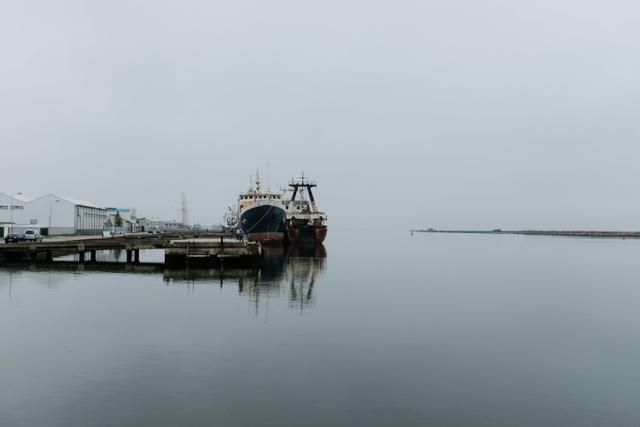
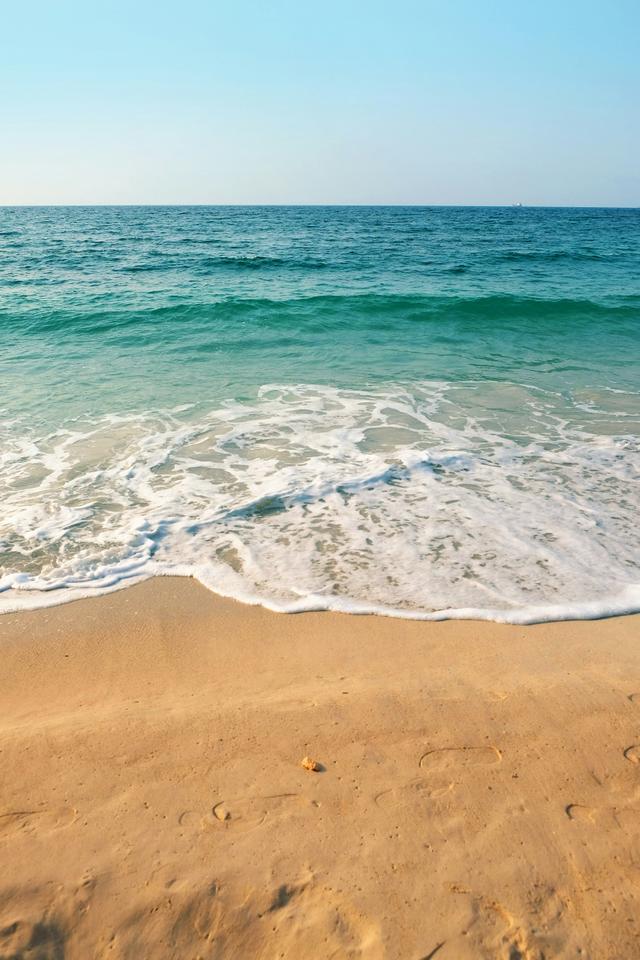
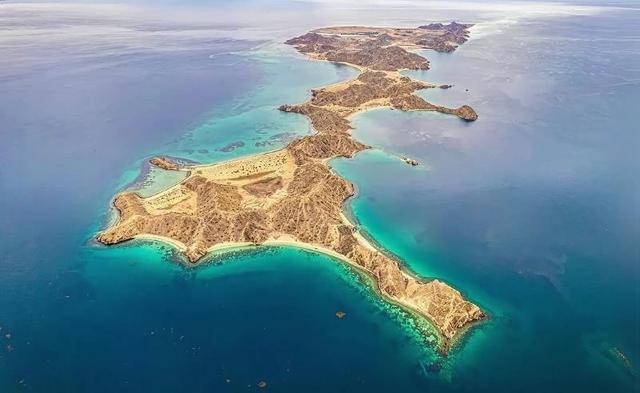
On the Red Sea coast, Massawa attracts visitors with its rich cultural history, striking architecture, and coastal charm. Once a major port and cultural hub, Massawa blends Ottoman, Egyptian, and Italian colonial influences, visible in its coral-stone buildings, arched walkways, and narrow alleys. Known as the “Pearl of the Red Sea,” the city has a unique, laid-back atmosphere and serves as a gateway to pristine beaches, the Dahlak Archipelago, and vibrant marine life.
Despite suffering heavy damage during Eritrea’s war for independence, Massawa retains its historical character. Key landmarks include the Imperial Palace, the old town, and several historic mosques and churches, reflecting the city’s multicultural past. With its warm climate, seafront cafés, and historical depth, Massawa offers a distinct experience for travelers seeking both relaxation and a glimpse into Eritrea’s coastal legacy.
Keren- Eritrea’s second-largest city
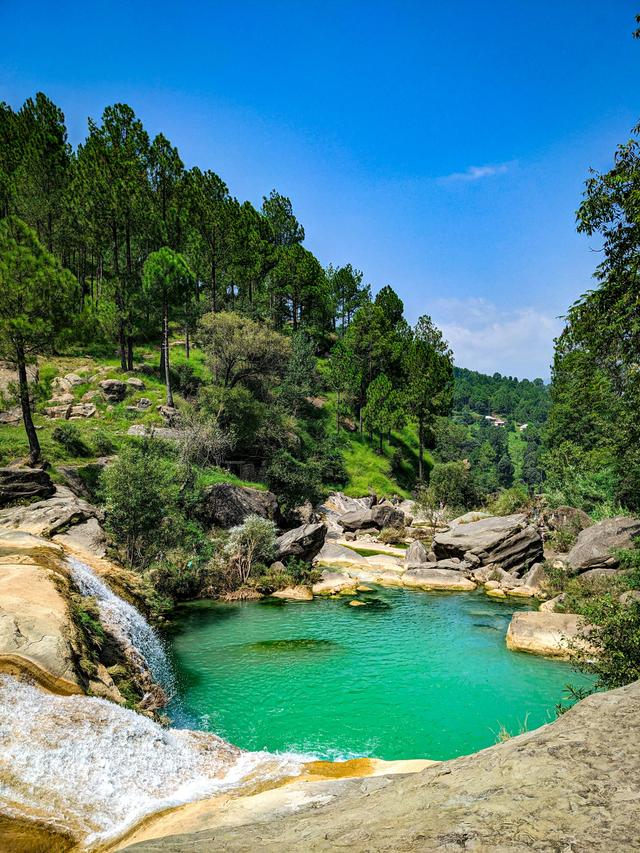
Keren, Eritrea’s second-largest city, is nestled in the northern highlands and is known for its scenic beauty, cultural diversity, and historical significance. Surrounded by rugged mountains and fertile valleys, Keren serves as a regional hub and an important agricultural center, particularly famous for its banana plantations and livestock markets.
The city has a calm, welcoming atmosphere and is home to several ethnic groups, including the Bilen, Tigre, and Tigrinya, creating a vibrant cultural mix. Keren played a key role during World War II as the site of a major battle between Allied and Italian forces, and remnants of that history can still be seen in war cemeteries and military sites around the city.
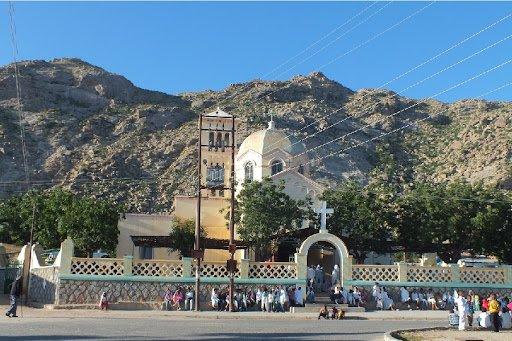
One of Keren’s most cherished landmarks is the Mariam Dearit Shrine, a religious site built into a baobab tree, attracting pilgrims and visitors from across the region. Other notable features include colorful open-air markets, colonial-era buildings, and nearby villages that offer insight into traditional Eritrean life.
Overall, Keren is a city of quiet charm and deep heritage, offering travelers a more rural, authentic experience of Eritrea’s highland culture and history.
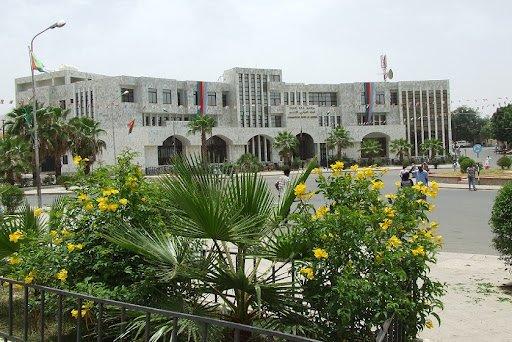
Accomodation
Guest houses
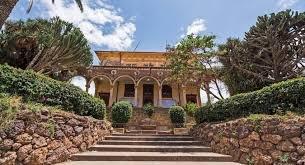
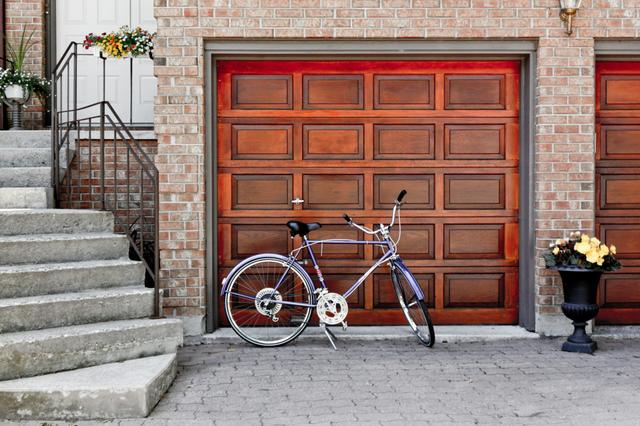
Guest houses in Eritrea provide simple, affordable, and culturally authentic accommodation, mainly in cities like Asmara, Massawa, Keren, and Assab. Often family-run, they offer basic amenities in a homely setting, with some housed in historic buildings. While not luxurious, these guest houses are valued for their warm hospitality and are ideal for travelers seeking a genuine local experience in a country with a modest tourism infrastructure.
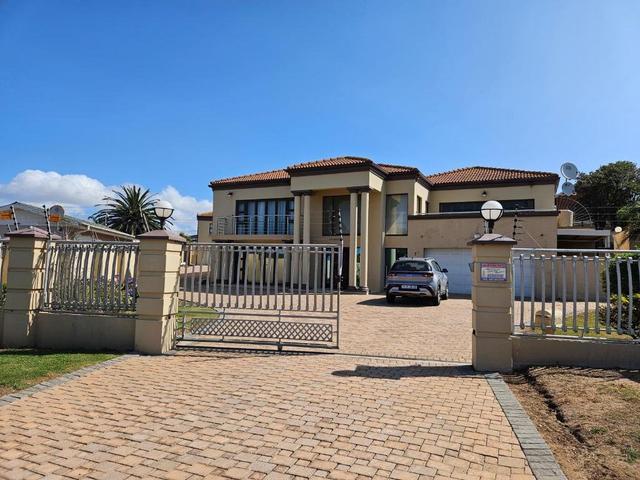
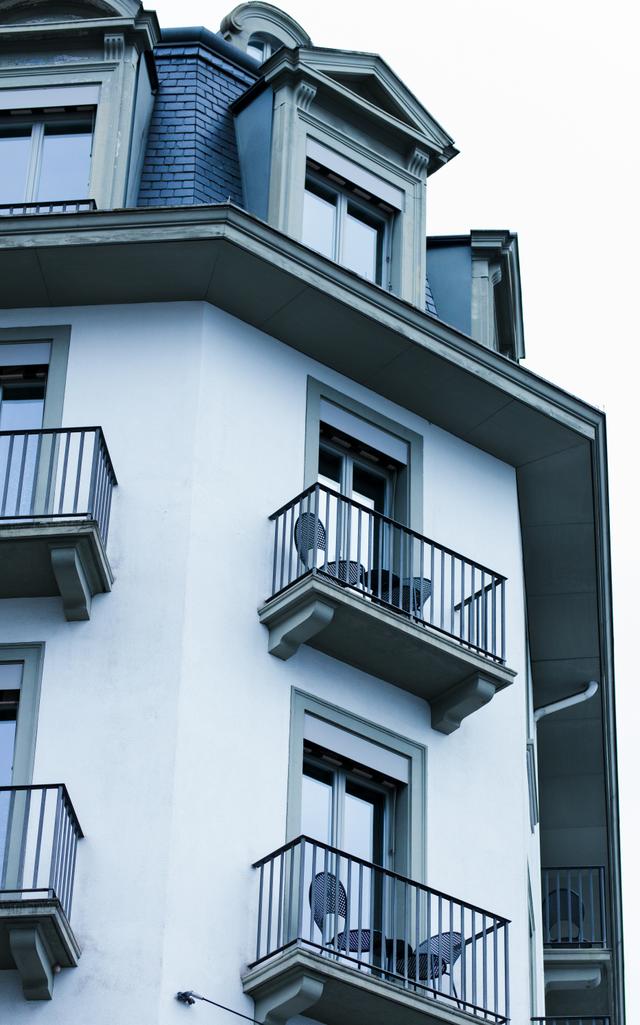
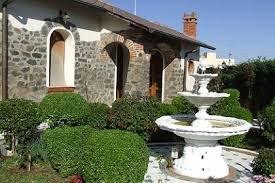
Hotels and resorts
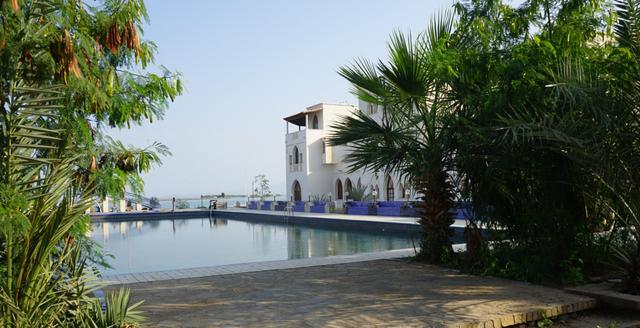
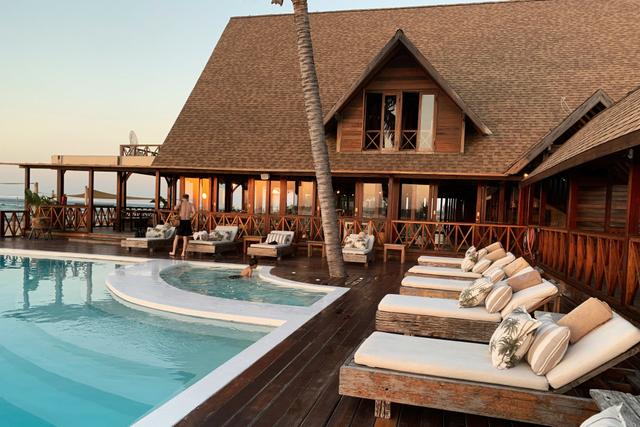
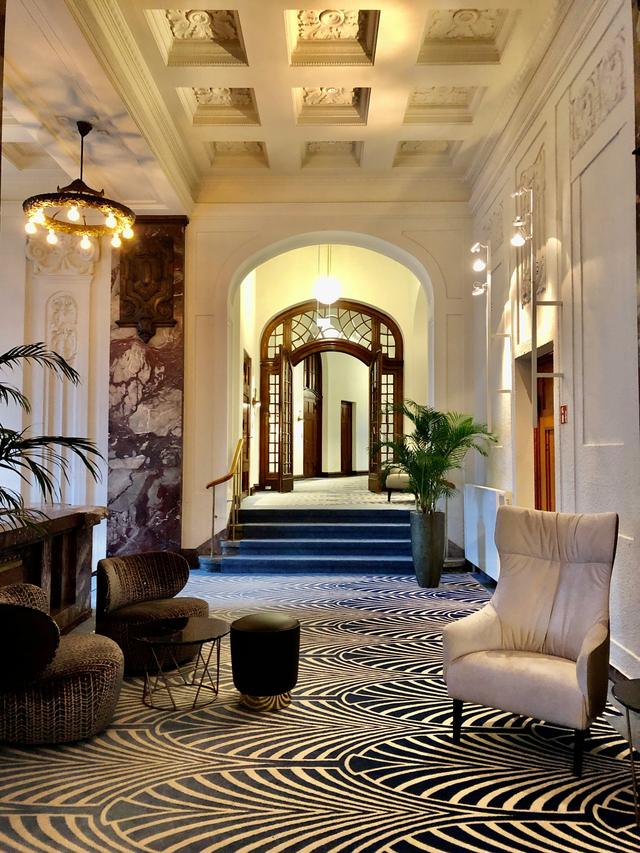
Hotels and resorts in Eritrea offer a modest but authentic hospitality experience, shaped by the country’s limited tourism infrastructure and rich cultural heritage. Most accommodations are concentrated in the capital, Asmara, where travelers can find a mix of upscale hotels like Asmara Palace and reliable mid-range options offering basic amenities. In coastal cities like Massawa and the Dahlak Archipelago, resorts and guesthouses provide access to the Red Sea’s natural beauty, including beaches and marine activities, though facilities may be simpler. While services may not meet international luxury standards, visitors appreciate the warm local hospitality, historical charm, and scenic settings. Eritrea’s accommodation landscape is best suited to travelers seeking cultural depth, tranquility, and a less commercialized travel experience.
Campings
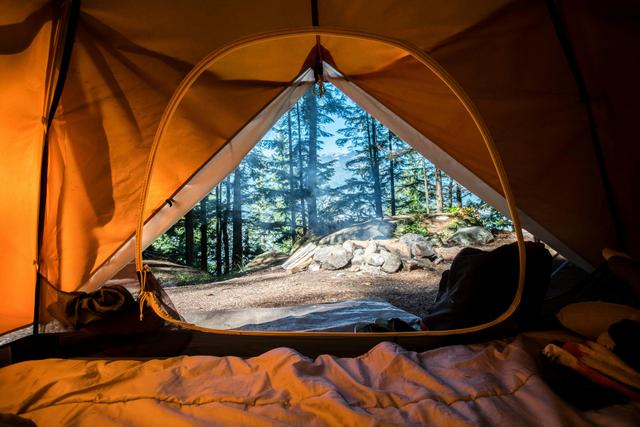
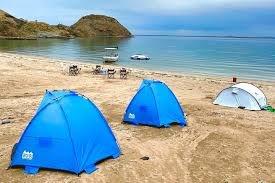
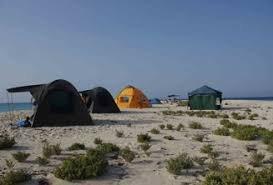
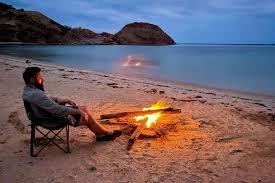
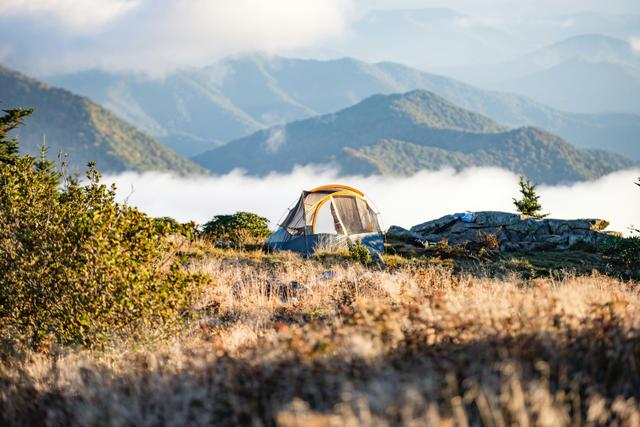
Camping in Eritrea offers a unique and adventurous way to experience the country’s stunning natural beauty, from the serene Red Sea coastline to the remote desert and mountain landscapes. While formal campsites are limited, camping is possible especially on the Dahlak Archipelago and other remote areas often through guided tours. With the right planning and permits, travelers can enjoy peaceful, off-the-beaten-path experiences under the stars, surrounded by Eritrea’s unspoiled nature. It’s an ideal option for those seeking a more immersive and tranquil connection with the country’s landscapes.
Requirements for Visa
Documents to be submitted for your application
- Passport must be valid for at least 6 months.
- Must have at least 2 blank pages in the passport.
- Proof of sufficient funds for the stay.
- Return or onward ticket may be required.
- Yellow Fever vaccination certificate (if applicable).
- Visa required (unless visa-exempt).
- Some may be eligible for visa on arrival (with pre-approval by an Eritrean sponsor 48 hours before arrival).
- General application requirements:
- Completed visa application form
- Passport-size photo
- Travel itinerary
- Proof of accommodation
- Travel insurance (recommended)
- Visa fees: ~$30 to $100 USD depending on visa type.
- Processing time: Usually up to 15 business days, apply early.
Economy of Eritrea
Agriculture, forestry, and fishing
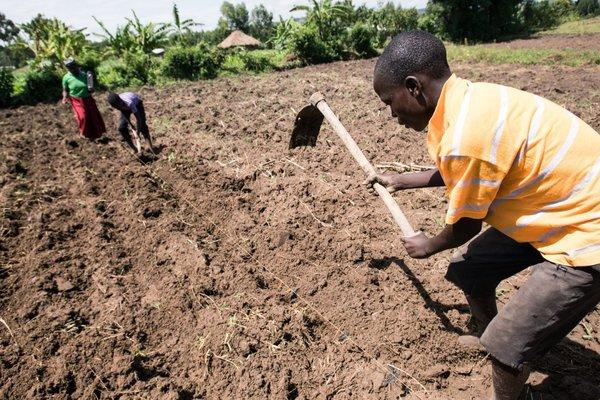
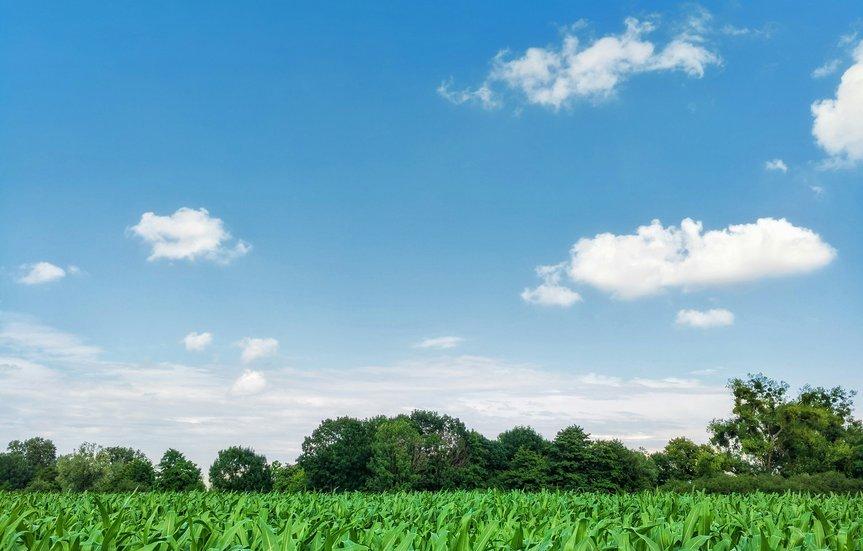
Eritrea’s agriculture, forestry, and fishing sectors are critical to the livelihoods of most of its population but remain underdeveloped. Agriculture employs around 70–80% of Eritreans and contributed approximately 12–20% of GDP as of 2021, despite only about 4–7% of arable land being cultivated. Major crops include sorghum, millet, barley, wheat, legumes, vegetables, and livestock products such as cattle, goats, and camels. The country relies heavily on rainfed farming and faces persistent challenges erratic rainfall, land degradation, mine-contaminated land, and limited access to modern inputs which hamper productivity and food security. Forestry plays a limited economic role, although reforestation and managed forest closures are in place to restore degraded woodland. Meanwhile, Eritrea's long Red Sea coast offers rich fishing potential estimated sustainable yields of up to 80,000 tons annually but the fishing industry remains largely artisanal; a fish-processing plant established in Massawa exports small quantities to European markets. All three sectors offer significant potential for growth through investments in irrigation, modern farming techniques, aquaculture, and infrastructure, especially as they account for 20–30% of commodity exports and support rural livelihoods.
Resources and power
Eritrea is endowed with a variety of natural resources, particularly in the mining sector, which is the country’s most promising area for economic growth. The nation has commercially viable deposits of gold, copper, zinc, potash, silver, and other minerals, with mining contributing significantly to export earnings. Notably, the Bisha Mine and the Colluli Potash Project are among the key operations attracting foreign investment.
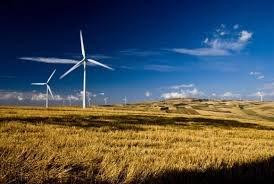
Despite this mineral wealth, Eritrea’s energy sector remains underdeveloped. The country relies heavily on imported petroleum for electricity generation, and only a small portion of the population has access to reliable power. Most electricity comes from diesel-powered plants, which are expensive and environmentally unsustainable. However, Eritrea has significant potential for renewable energy, particularly solar and wind, and the government has made efforts to expand off-grid solutions and rural electrification using solar systems.
While rich in natural resources, Eritrea faces challenges in fully utilizing them due to limited infrastructure, capital constraints, and the need for improved regulatory frameworks. Nevertheless, with investment and modernization, the country’s resources and energy potential could support broader economic development and energy self-sufficiency in the future.
Manufacturing
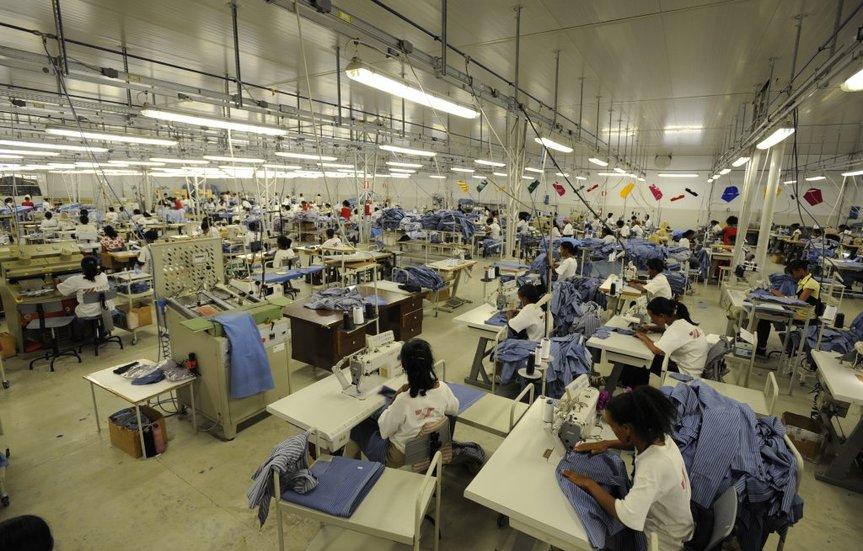
Eritrea’s manufacturing sector plays a modest but vital role in its economy, contributing around 10–11% of GDP as of 2019, largely through light processing of local raw materials. Industry remains concentrated in urban centers especially Asmara, with additional activity in Massawa and Keren.
The country hosts nearly 1,000 manufacturing enterprises, many established during Italian colonial rule, producing agriprocessed foods, beverages, textiles, leather goods, chemicals, construction materials, and glass products. A standout is the Asmara Brewery Corporation, a multifunctional facility producing beer, spirits, and glass packaging with over 600 employees and significant export activity.
Despite this groundwork, Eritrea’s manufacturing sector remains underdeveloped due to decades of conflict, outdated machinery, weak industrial linkages, and limited foreign investment or technological readiness. However, policymakers are encouraging investment in light manufacturing including textiles, leatherware, food processing, and garment production as part of a broader strategy to diversify the economy and boost exports .
Growth prospects hinge on modernizing equipment, scaling up skills through vocational training, and improving access to credit and infrastructure. With targeted reforms and investment, manufacturing has the potential to gradually become Eritrea’s second-largest GDP contributor, overtaking agriculture as structural transformation progresses .
Finance
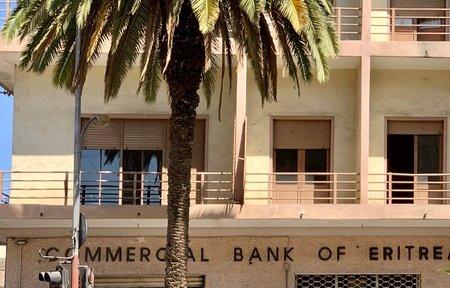
Eritrea’s financial sector, while still developing, provides a foundational structure for future economic growth and inclusion. The country operates a stable, government-managed banking system led by institutions like the Bank of Eritrea and the Commercial Bank of Eritrea. Although financial services remain basic, there are ongoing efforts to improve accessibility, such as the introduction of M-Nakfa, a mobile money platform aimed at increasing financial inclusion, particularly in rural areas. Eritrea’s tightly managed currency and controlled lending practices have helped maintain financial stability and low inflation in recent years. With continued investment in digital infrastructure, regulatory modernization, and support from international partners, Eritrea’s financial system has the potential to expand and better serve its citizens, fostering entrepreneurship, savings culture, and broader economic participation.
Trade
Eritrea’s trade sector holds strong potential as a driver of economic growth, thanks to its rich natural resources and strategic location along the Red Sea. The country’s exports are led by minerals such as gold, copper, and zinc, which make up the bulk of foreign earnings. Key trading partners include China, the UAE, and Saudi Arabia, with growing interest in Eritrean goods. While the country currently relies heavily on imports for machinery, fuel, and food, efforts are underway to diversify exports and strengthen local industries. Eritrea’s deep-water ports and untapped sectors like fisheries, livestock, and agro-processing offer promising opportunities for expanding trade. With continued investment in infrastructure, regional integration, and trade policy reform, Eritrea is well-positioned to unlock new markets and build a more resilient, export-driven economy.
Labour and taxation
Eritrea’s labour and taxation systems are state-managed and structured to ensure fairness and predictability. Public-sector employees benefit from regulated wages, overtime pay, and statutory leave entitlements, including paid annual, sick, and maternity leave. The tax system is progressive, with income tax rates ranging from 2% to 30%, and a Pay-As-You-Earn (PAYE) mechanism in place. Employers and employees each contribute 6% to social security. Corporate tax rates average around 30–34%, while VAT ranges between 5–12%. Though still developing, the system offers a stable framework that supports public welfare and lays the groundwork for future private-sector growth.

Transportation and telecommunications
Eritrea’s transportation and telecommunications sectors are steadily improving and show strong potential for supporting national development. The country has upgraded key roads and expanded public transport, significantly reducing travel times and increasing access. Renovated ports in Massawa and Assab, along with Asmara International Airport, enhance regional trade and connectivity. In telecommunications, EriTel provides mobile, internet, and landline services, reaching the majority of the population, with coverage expanding through solar-powered infrastructure and microwave networks. While challenges remain, especially in mobile broadband, Eritrea is making sustainable progress in building reliable, accessible transport and communication systems.