Gabon
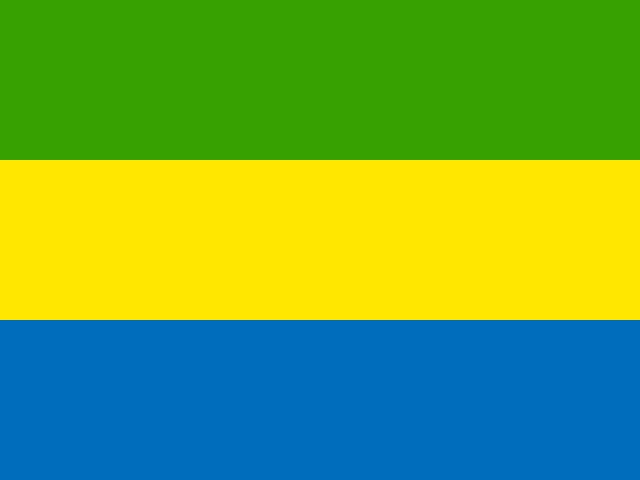
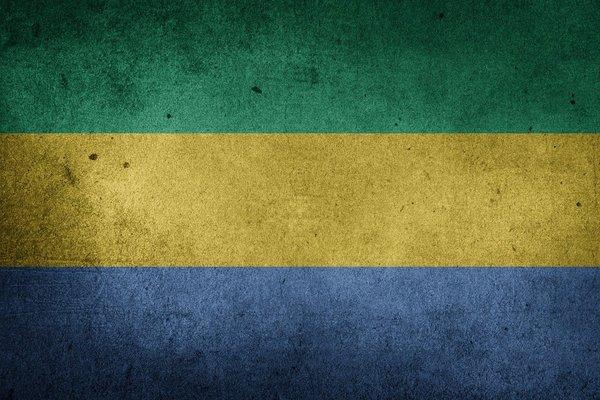
Gabon is a small but resource-rich country on Central Africa’s west coast, known for its lush rainforests, abundant wildlife, and stable politics. Bordered by Equatorial Guinea, Cameroon, and the Republic of Congo, it boasts a long Atlantic coastline and a wealth of natural resources, especially oil and timber.

Central West Africa

267,667 sq km

GMT+1

2.4 million

French (official), Fang

Christianity, Islam

Central African CFA franc (XAF)

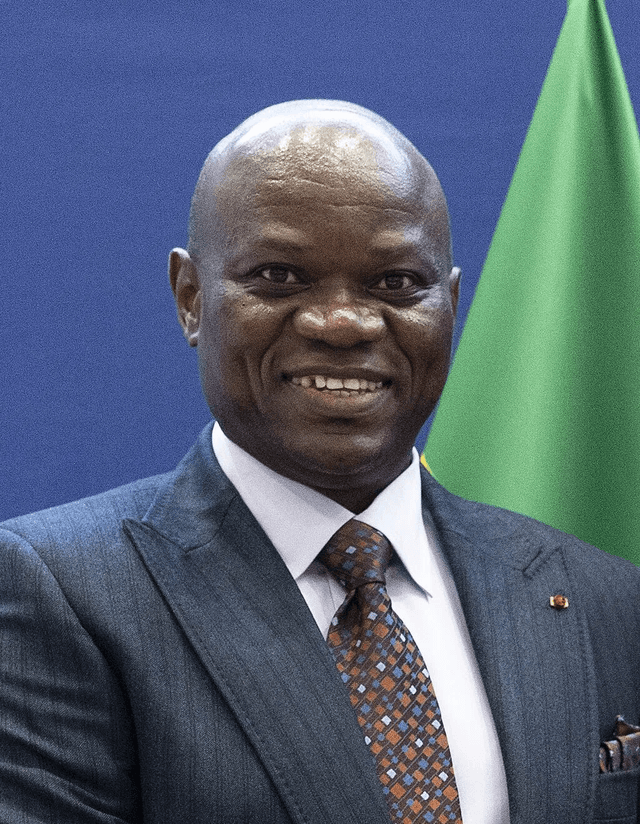
President Brice Clotaire Oligui Nguema
Brief
Gabon, officially known as the Gabonese Republic, is a resource-rich country located along the Atlantic coast of Central Africa. It is bordered by Equatore east and south, and the Gulf of Guinea to the west. Though relatively small in population, Gabon is one of Africa’s wealthier nations due to its significant oil and minerial Guinea to the northwest, Cameroon to the north, the Republic of the Congo to thal reserves. Libreville, the capital and largest city, serves as the political, economic, and cultural hub of the country. Gabon has made strides in conservation, protecting vast tracts of tropical rainforest through national parks, and remains one of the most biodiverse countries in Africa. Its stability, small population, and rich natural endowments give it a unique position on the continent.
Photos
National Anthem
Cultural Life
Cultural Milieu
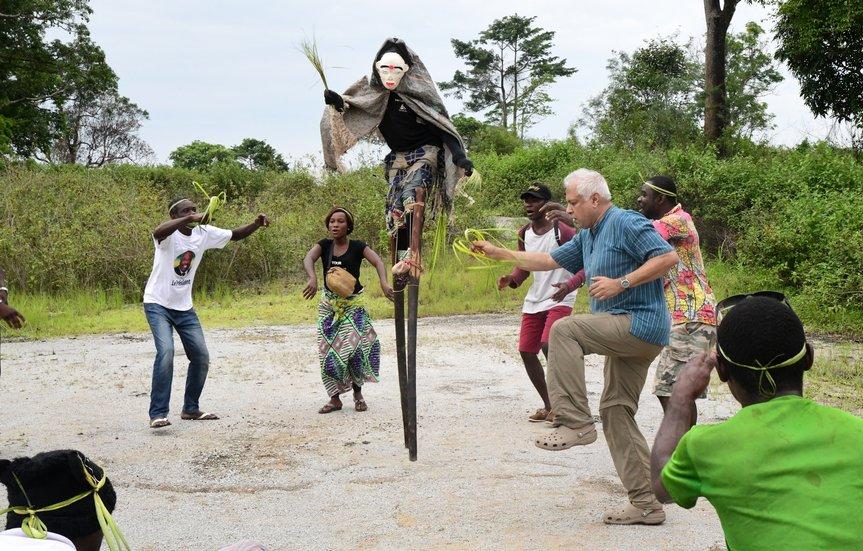
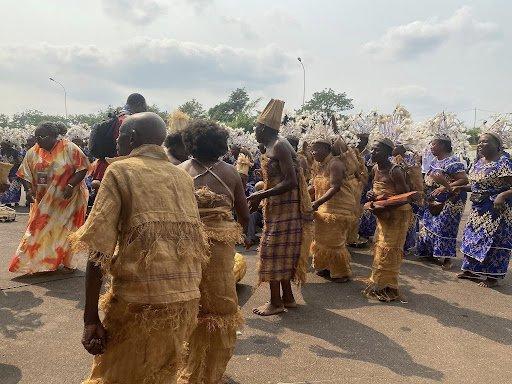
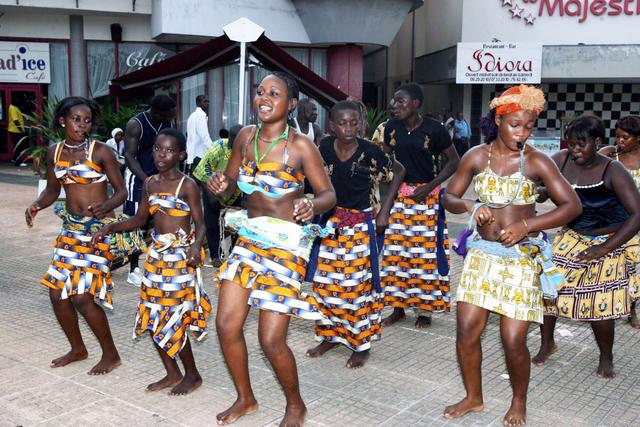
Gabon’s cultural identity lies at the intersection of indigenous heritage and modern urban life. Traditional dances and ceremonies especially among the Fang, Punu, and Kota use masks, chants, and rhythmic music tied to ancestral worship. The Bwiti spiritual tradition incorporates the iboga plant in rites of initiation, healing, and storytelling. Contemporary artists, poets, and musicians blend these traditions with modern influences, creating Afro‑fusion, rumba, and spoken word that resonate in Libreville’s cafes and galleries. National events like Independence Day feature pageantry, parades, tribal displays, and contemporary performances that celebrate unity.
Daily life and social customs
In Gabon, everyday life is a weave of tradition and modernity. Extended families often live together in multi-generational homes, anchoring social life. Gastronomy, music, and social gatherings punctuate family routines. In cities, young adults gather for music, cafés, and football matches, while rural life aligns with planting seasons and forest rhythms. Greetings are elaborate and show respect through polite phrases and handshakes. Christianity mostly Catholicism informs moral and public life, but traditional spiritual beliefs, particularly Bwiti, remain influential in ceremonies and healing rites. Hospitality is taken seriously: guests receive meals and drink, families share duties, and woven cloths or masks may be offered as gifts.
Cuisine
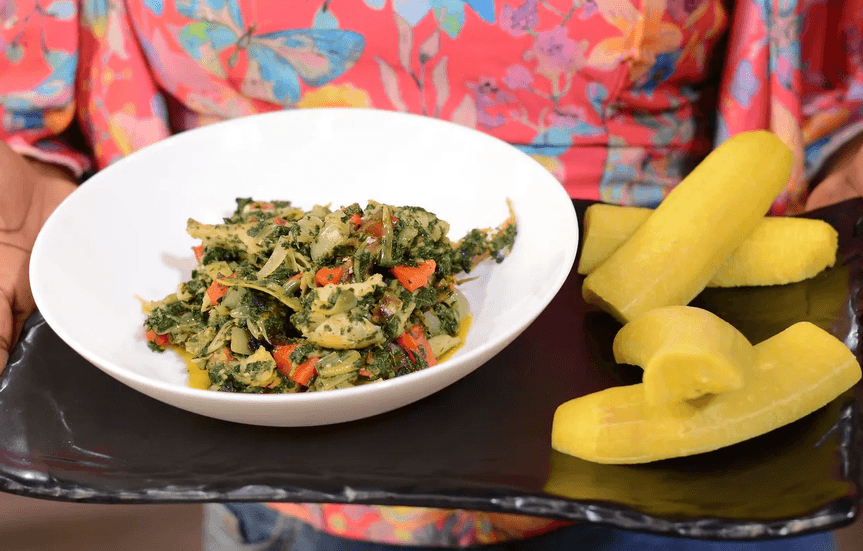
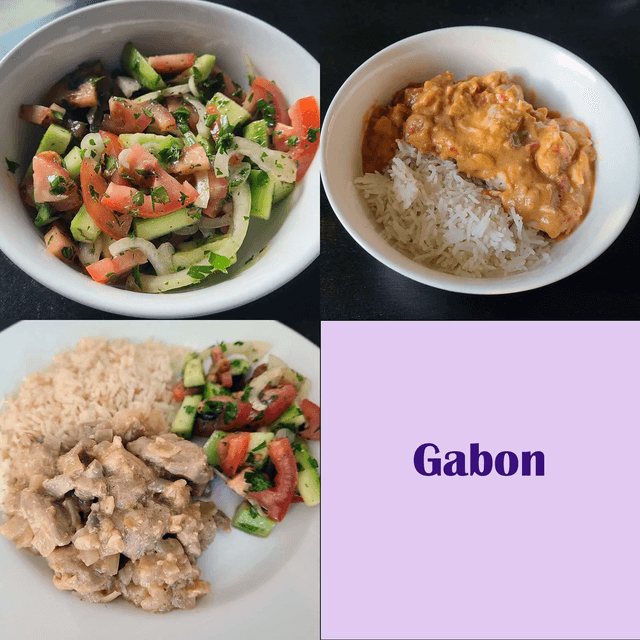
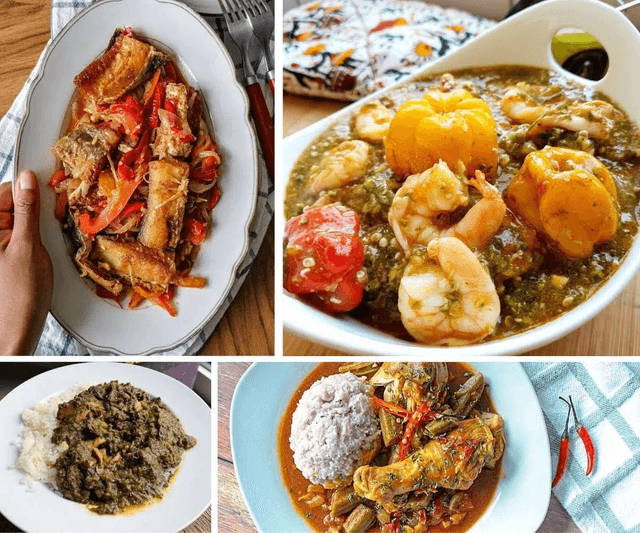
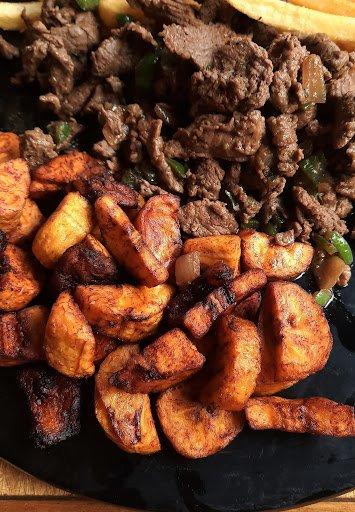
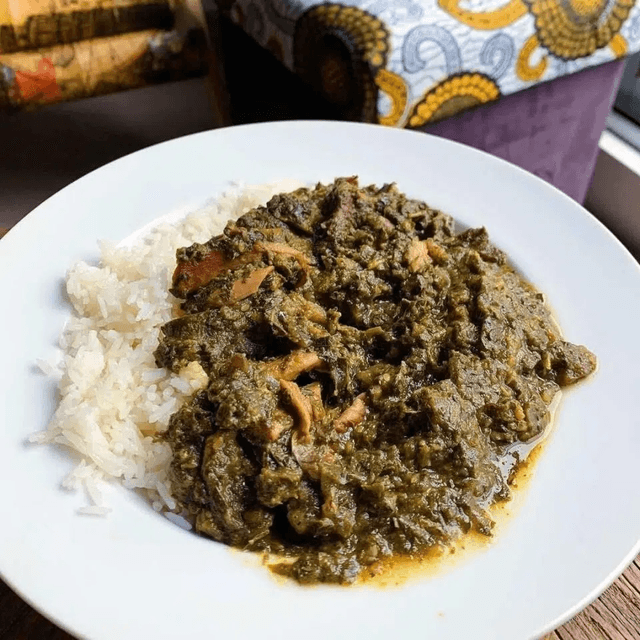
Gabonese food merges coastal and forest influences. Signature dishes include poulet nyembwe (chicken stewed in palm nut sauce with cassava leaves), smoked fish stews, grilled goat, and roasted plantains. Street food stalls serve fried bananas, peanut sauces, grilled meats, and local snacks made from cassava or maize flour. In Libreville and Port-Gentil, French-style pastries, baguettes, and café culture are common. Seafood especially shrimp and tilapia are often fresh from the coastline, and alcohol consumption is modest but includes local palm wine or beers.
Music
Music is vibrant and varied, combining traditional rhythms and modern genres. Patience Dabany, once Gabon’s First Lady, became a national and regional music icon through her Afrobeat and rumba hits. Annie‑Flore Batchiellilys blends folk, jazz, and soul into haunting melodies rooted in Gabonese languages. Ba’Ponga brings hip-hop and RnB to the urban youth scene. Traditional instruments like the ngombi harp, balafon, and percussion are still used in healing rituals and cultural events, preserving rhythm traditions while contemporary artists electrify local and diaspora audiences.
Arts and crafts
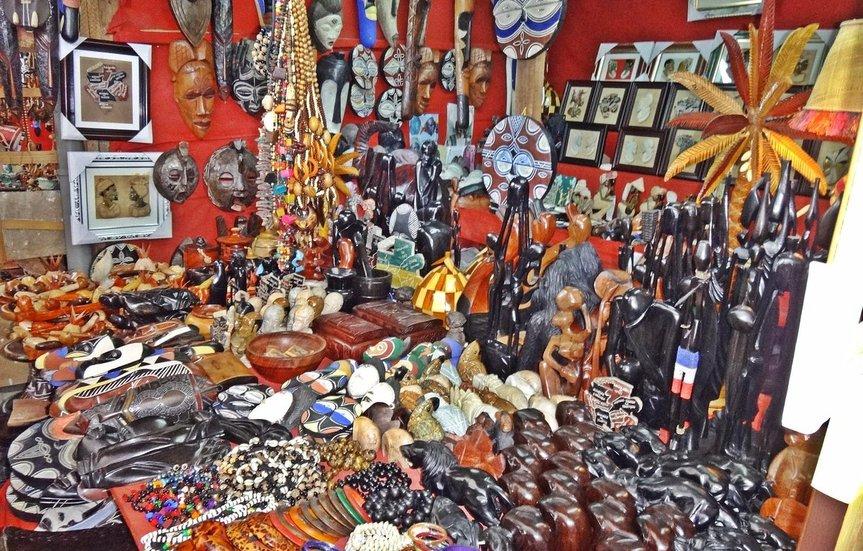
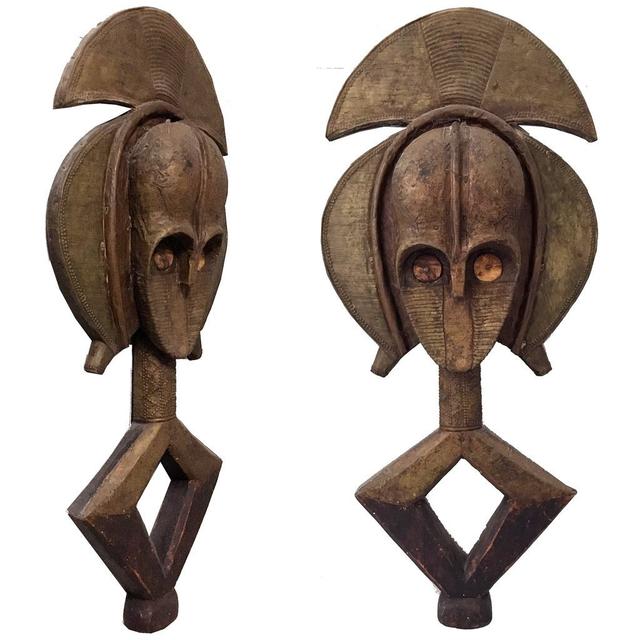
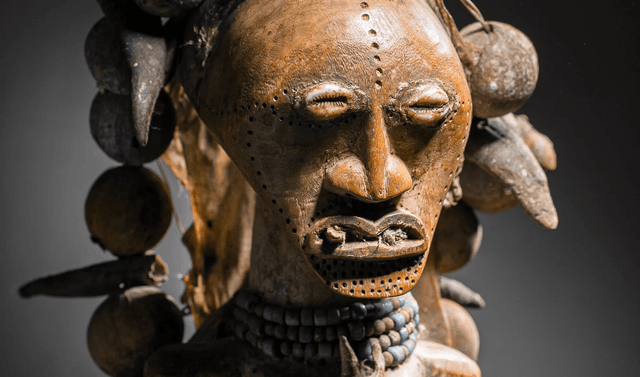
Art in Gabon is deeply symbolic and rich in heritage. Fang masks often carved in stylized faces are used in funerary ceremonies and cultural rites. Punu masks, painted white with delicate features, represent the spirits of ancestors. Kota figures, with brass leaf covers, link the living to the dead. In Libreville and Franceville, galleries and art centers showcase contemporary sculpture, painting, and textiles inspired by these traditions. Workshops teach weaving, carving, and beadwork, sparking creative tourism and cultural preservation.
People
Ethnic groups
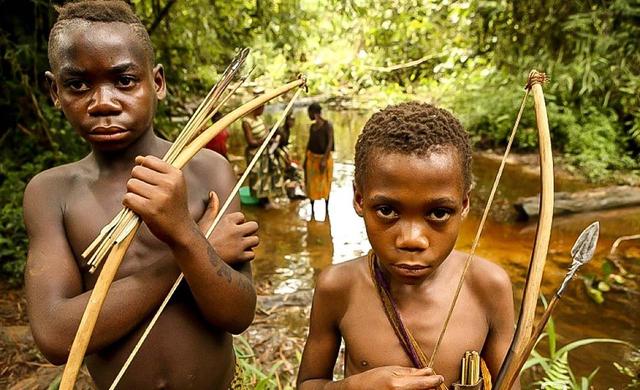
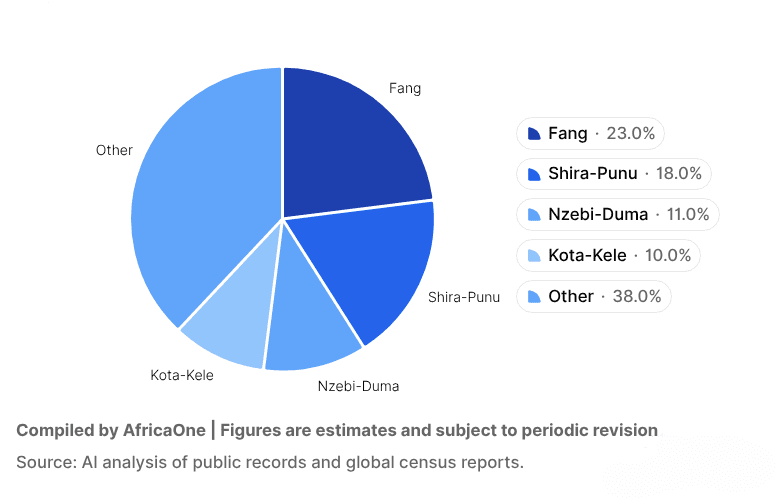
Gabon is home to more than 40 ethnic communities. Key groups include the Fang the largest in the north and interior; Punu and Myene in southern and coastal regions; Teke, Kota, Nzebi, Tsogo, and the Baka rainforest hunter-gatherers. Though each group has its own language and cultural practices, women and youth are increasingly multilingual. National unity policies and urban integration have fostered peaceful co-existence, with ethnic diversity celebrated through music, festivals, and regional cuisine.
Religion
Christianity is practiced by around 80% of the population, with Roman Catholicism as the predominant denomination. Protestant and Evangelical churches are also widely present. A smaller Muslim community mainly immigrants and coastal residents, practices Islam peacefully alongside Christians. Many Gabonese also maintain connections to ancestral beliefs, blending Christian worship with animist traditions. The Bwiti faith, employing music, dance, visionary rites, and the iboga plant, shapes spiritual life, especially among Fang communities and ceremonial circles.

Settlement patterns
Urban Settlements
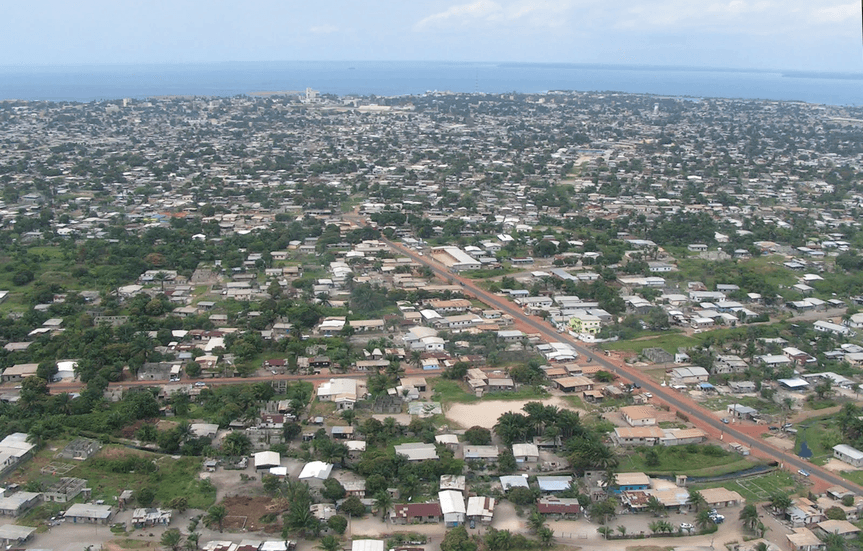
Over 80% of Gabon's population lives in urban zones primarily Libreville, Port‑Gentil, and Franceville. These areas are characterized by dense housing, expanding suburbs, government institutions, commercial districts, and service industries. Informal settlements are emerging on city outskirts in response to rapid urban migration.
Rural Villages
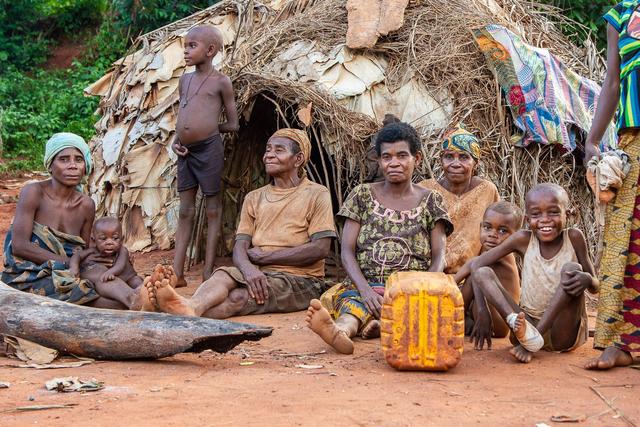
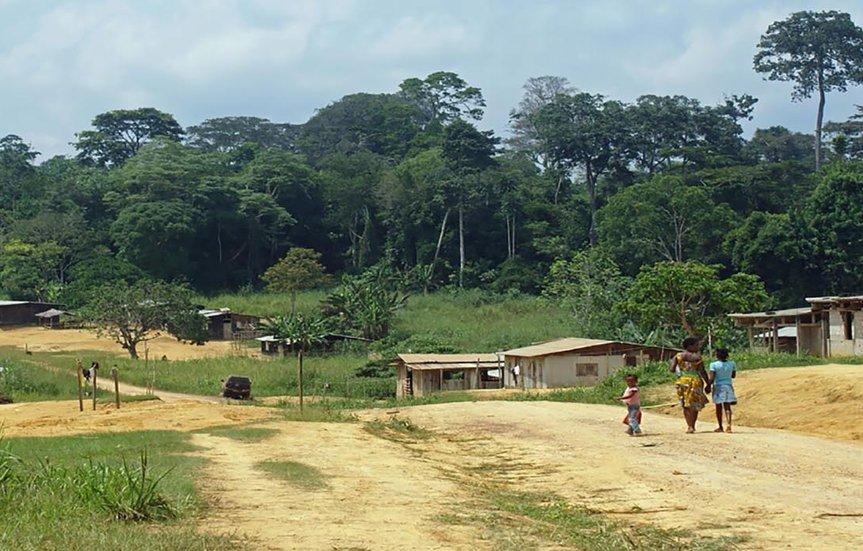
Outside cities, small villages scatter across the countryside. They are often clustered near rivers, forest clearings, or farmland, where autochthonous families cultivate subsistence crops and gather forest resources. Infrastructure is basic, and daily life relies heavily on shared traditions and communal agricultur
Forest and Nomadic Communities
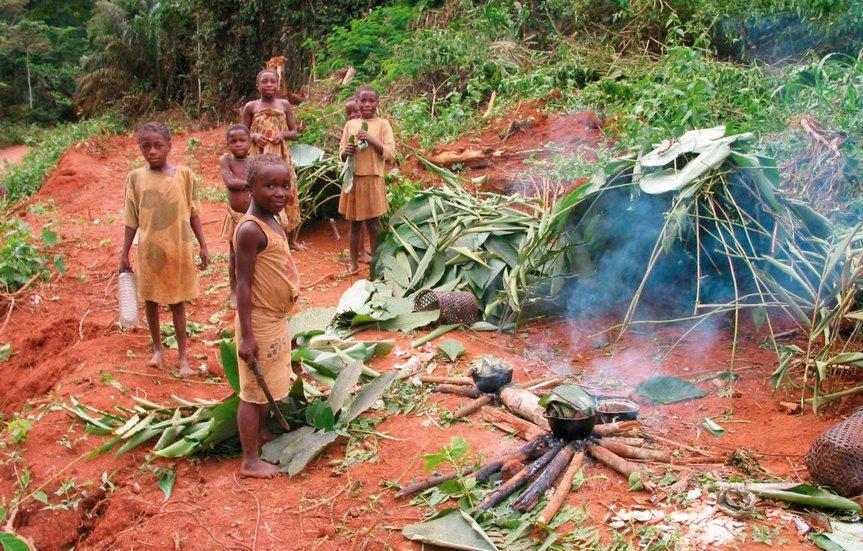
Semi-nomadic groups like the Baka and Babongo, members of pygmy communities, reside deep in the forests of central and southeastern Gabon. Their movement patterns follow game migration, hunting seasons, and shifting cultivation cycles. These groups are culturally distinct and live largely outside formal settlement frameworks, relying on ancestral practices and bush knowledge for survival
Demographic trends
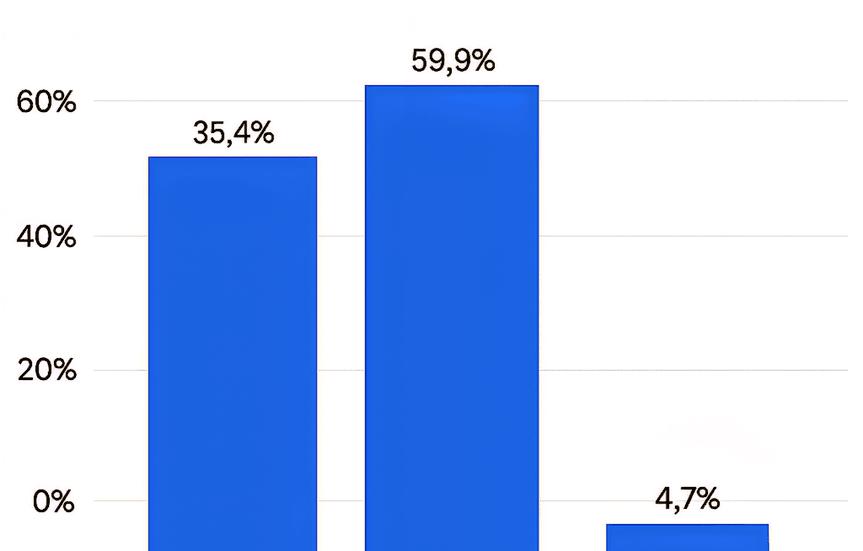
With over 60% of its population under the age of 25, Gabon has a youthful population and a median age of around 20 years. Young people fuel the energy of Libreville’s streets, but also face challenges such as high urban unemployment, competition for education, and housing pressure. The working-age population is growing, prompting government and NGO programs to invest in skill development, start-up incubation, vocational training, and youth entrepreneurship to harness this demographic potential and avert a social strain.
Touristic Cities
Libreville
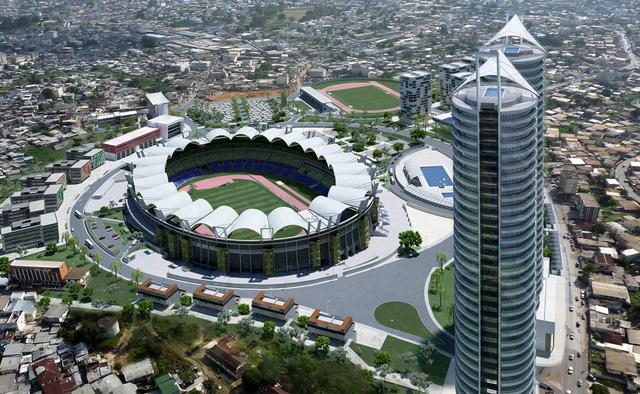
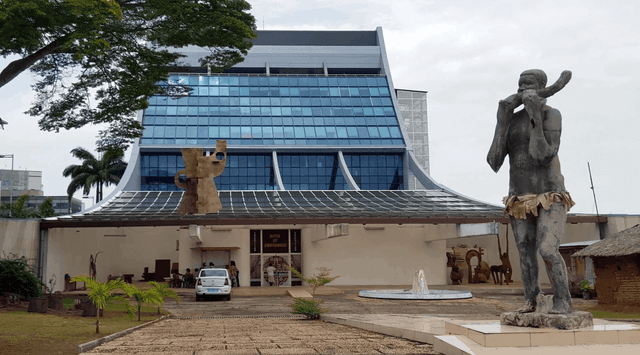
As Gabon’s modern and sprawling capital, Libreville offers a mix of blend of political, cultural, and seaside attractions. Highlights include the National Museum featuring ethnographic collections and artworks the Presidential Palace, and markets brimming with local crafts. Nearby beaches like Pointe Denis and Owendo offer relaxation, fishing, and boat excursions. Cultural venues showcase local music, dance performances, and festivals that celebrate national and ethnic heritage.
Port-Gentil
Known as the economic heart of the oil industry, Port‑Gentil blends modern infrastructure with relaxed coastal living. The city offers high-end hotels, nightlife, and estuary vistas contrasted with fishing communities and timber docks. Conferences, business tourism, and international traveler needs are met by hotels like Radisson Blu and smaller boutique resorts. Markets and beach life give glimpses of everyday Gabonese coastal living.
Franceville / Southeastern Highlands
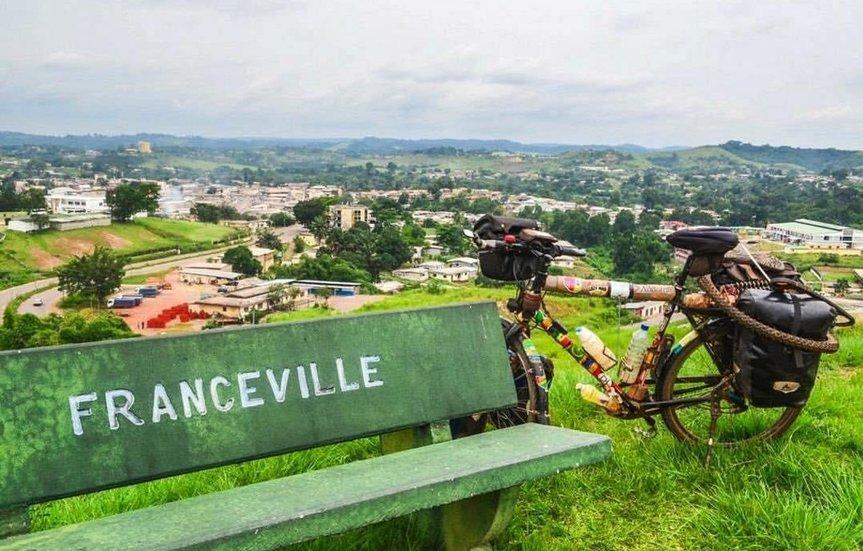
This serene inland city is surrounded by rolling hills and rainforest foliage. Franceville is close to Lékédi Park, a private wildlife reserve, and Poubara Falls, offering waterfalls and forest treks. The area also features mineral mining heritage and traditional villages that explore Gabon’s indigenous cultures. It's perfect for travelers looking to experience nature plus local craftsmanship and community-based tourism projects.
Accommodations
Guest houses
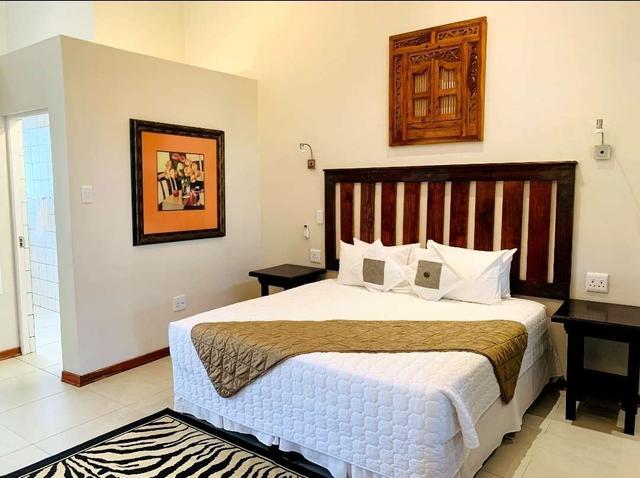
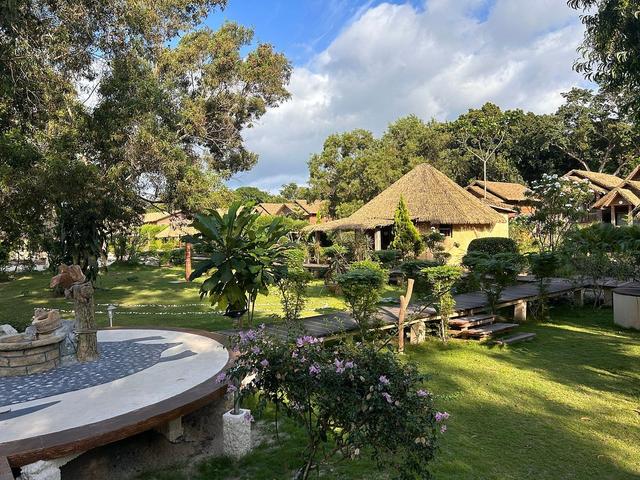
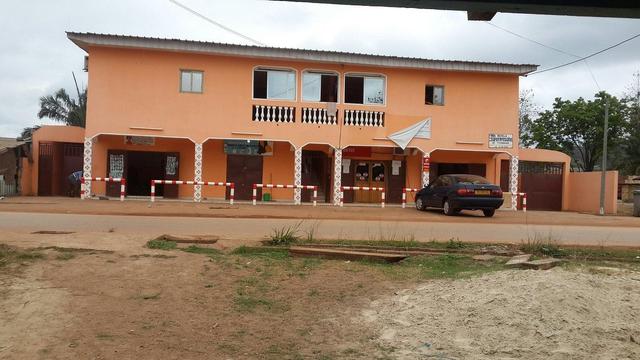
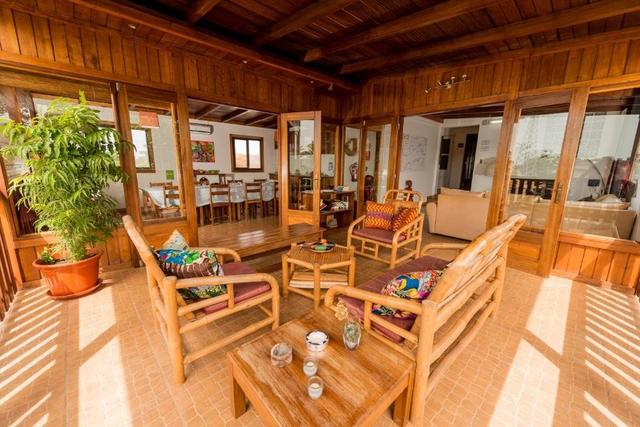
Available in Libreville, Port‑Gentil, and regional towns, guesthouses offer affordable lodging with home-cooked meals and local ambiance. They’re a popular option for NGO workers, eco-tourists, and cultural travelers.
Hotels and Resorts
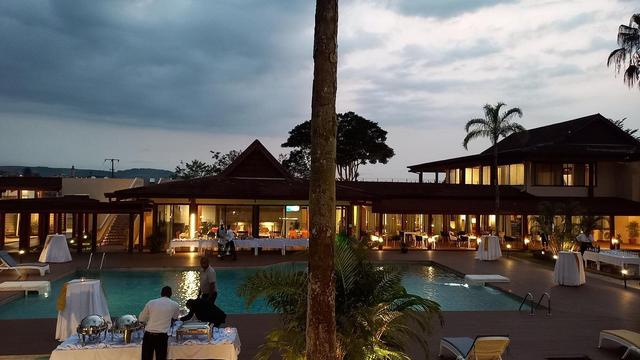
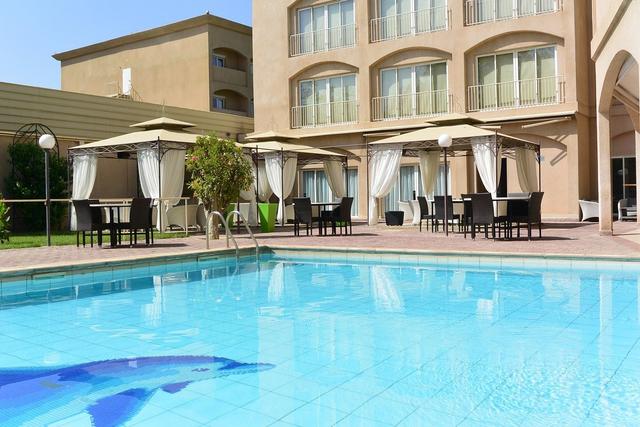
Mid‑ to high-end hotels including Radisson Blu, Le Méridien, Hôtel Nomad provide business-class amenities, beachfront views, conference spaces, and fine dining in Libreville and Port‑Gentil. Coastal resorts near Loango offer nature lodges with safari-style services.
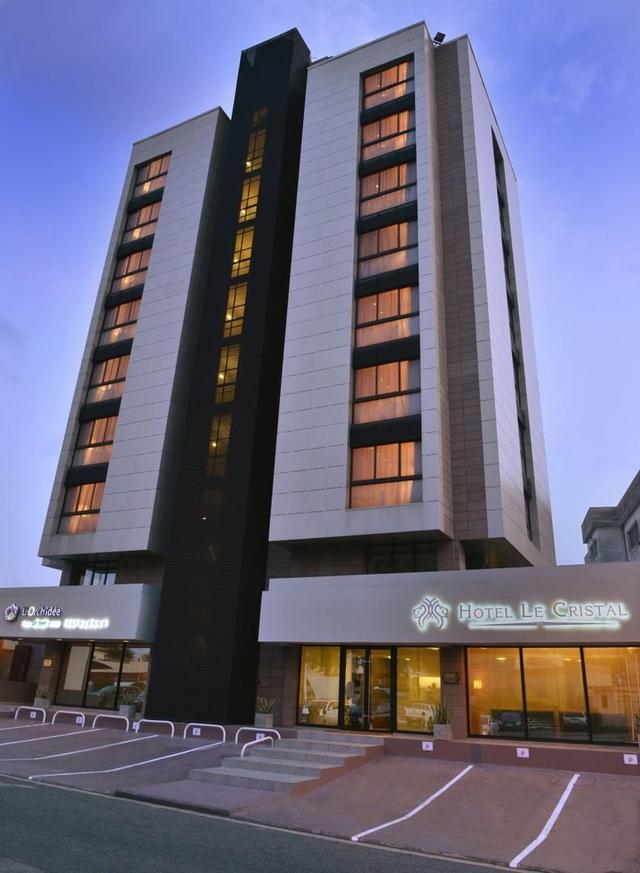
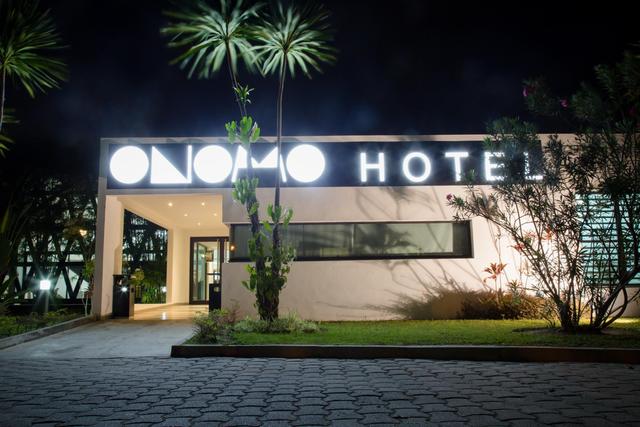
Campings
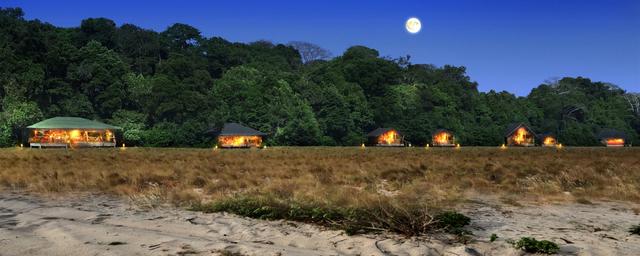
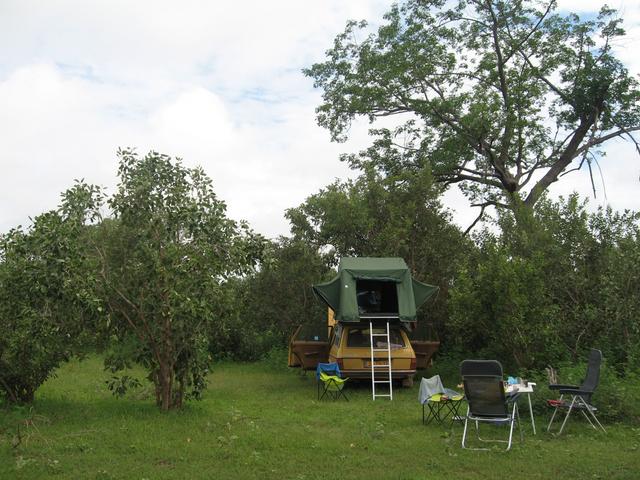
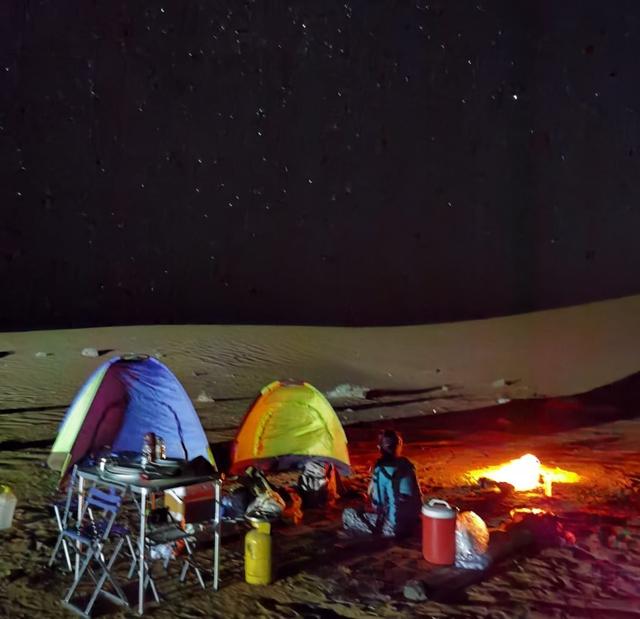
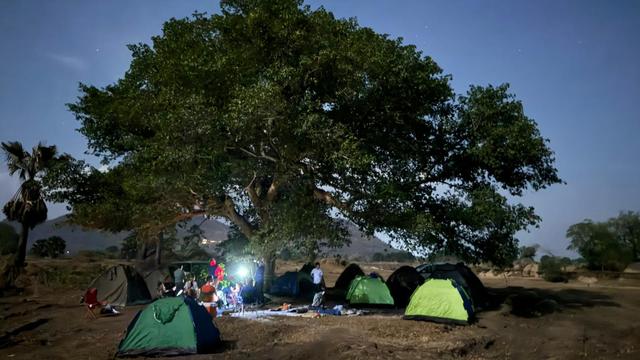
Inside national parks like Loango, Ivindo, and Minkébé, eco-camps offer rustic tents or cabins with guided wildlife treks, whale and hippo watching, and birdwatching. These remote sites highlight Gabon’s unspoiled landscapes and commitment to conservation tourism.
Requirements for Visa
Documents required for the application process
- Valid passport with 6+ months validity
- Completed visa application form
- Recent passport-size photo
- Flight itinerary or booking
- Proof of accommodation or invitation letter
- Yellow fever vaccination certificate
- Proof of sufficient funds
At the time of visa issuance, please provide the following documents
- Visa fee payment receipt
- Approval letter (for e-visa applicants)
- Original passport for visa sticker
- Supporting documents for multiple-entry visas
Economy of Gabon
Agriculture, forestry, and fishing
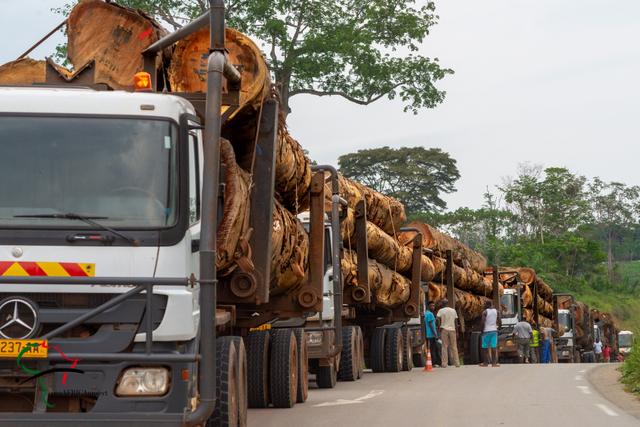
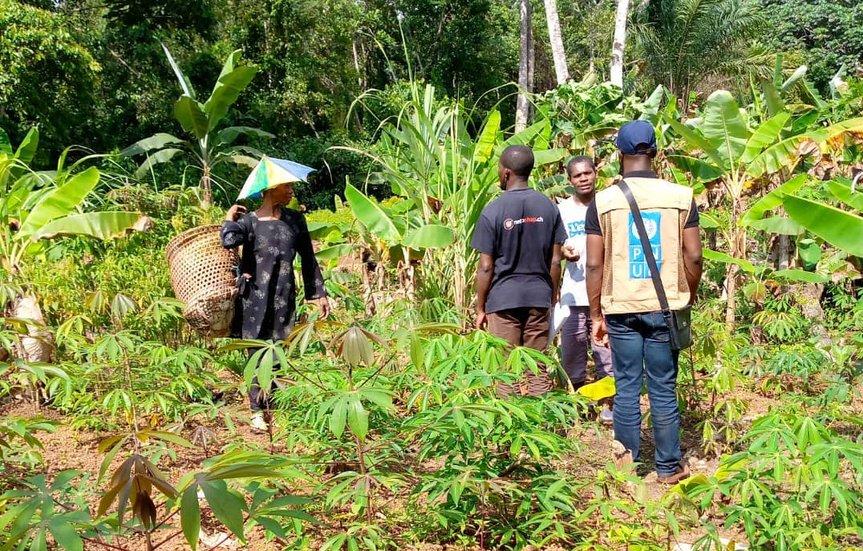
Agriculture remains largely subsistence-based, with cassava, plantains, bananas, sweet potatoes, and maize grown in gardens and small farms providing staples for most rural households. Food imports remain substantial despite these efforts. In contrast, forestry stands as a pillar of Gabon’s economy. The country has historically exported high-grade okoumé timber, yet recent government policies emphasize processing value-added wood products domestically to boost local employment and revenue. Along the coast and riverbanks, fishing both traditional and small-scale industrial provides critical protein sources and livelihoods, though it remains underdeveloped. Coastal communities harvest bonga fish, tilapia, and shrimp, while inland communities hunt and forage for wild game to supplement their diets.
Resources and power
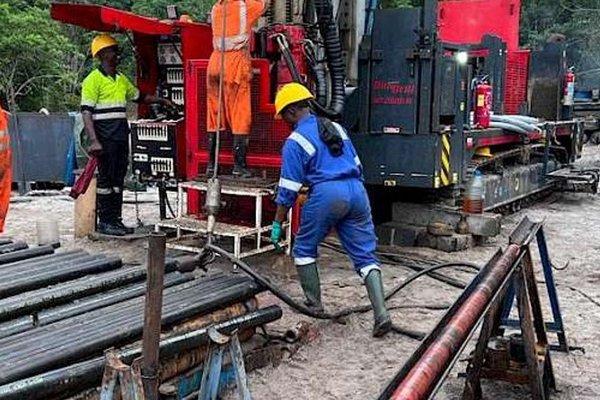
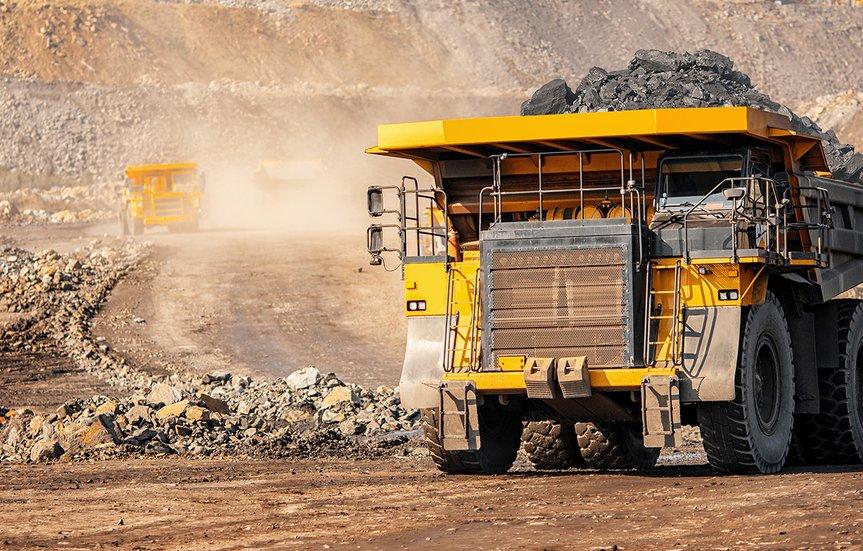
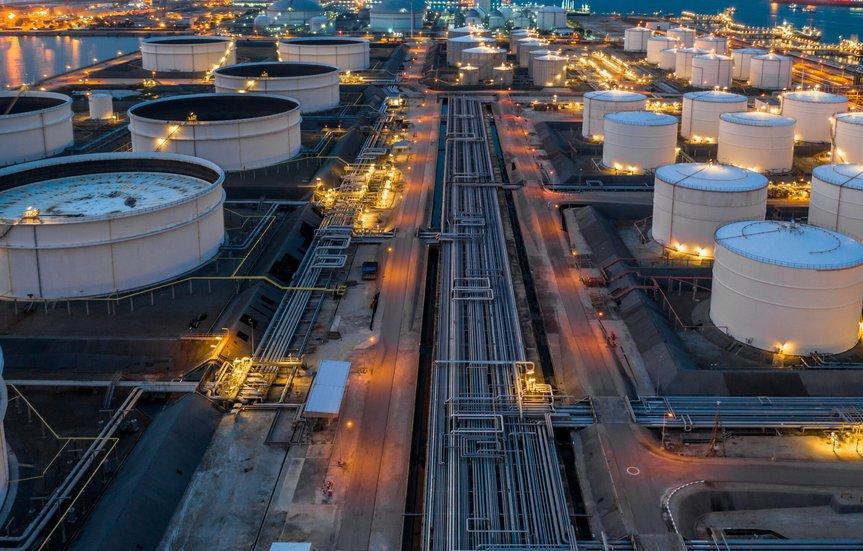
Gabon’s wealth stems largely from its abundant natural resources, with oil being the dominant pillar accounting for around 80% of export revenues and a major portion of GDP. While production has gradually declined from its peak, oil continues to power infrastructure, government revenues, and industry. The mining sector supports additional export earnings through manganese, uranium, gold, and iron ore deposits. To ensure long-term sustainability, the country is investing in renewable energy, including hydroelectric plants on the Ogooué and solar installations in rural areas. Infrastructure projects like the Grand Poubara Dam signal a shift toward energy diversification and increased rural electrification.
Manufacturing
Although small, Gabon’s manufacturing sector is steadily evolving, primarily located around Libreville and Port-Gentil. Industries focus on timber processing producing plywood, veneer, and timber derivatives plus cement, soaps, beverages, and basic agriproducts. The Nkok Special Economic Zone near Libreville has been developed to attract investment, facilitate local value addition, and create industrial corridors in timber, oil refining, and agro-industry. Production challenges remain such as high energy costs and lack of skilled labor, but these zones reflect Gabon’s push toward economic diversification.
Finance
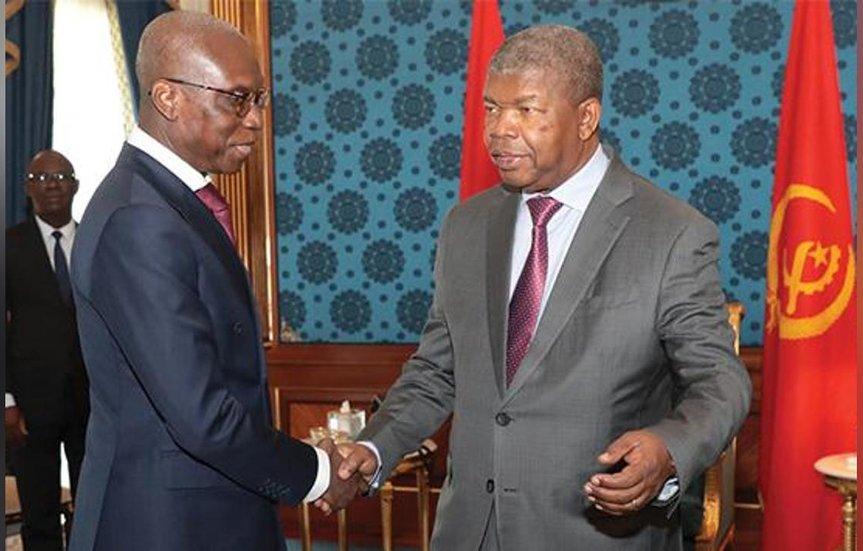
Operating under the Central African CFA franc, Gabon maintains a small but stable financial sector. Several commercial banks, microfinance institutions, and insurers operate primarily out of Libreville and Port‑Gentil. The country is working to expand financial inclusion via mobile banking especially in underserved rural areas. Despite stability in major towns, rural populations and women-led cooperatives continue to rely heavily on informal savings schemes. Digital finance is growing, but major gaps remain in access, especially outside urban centers.
Trade
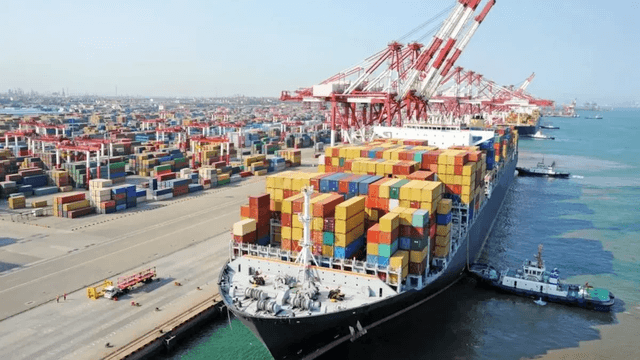
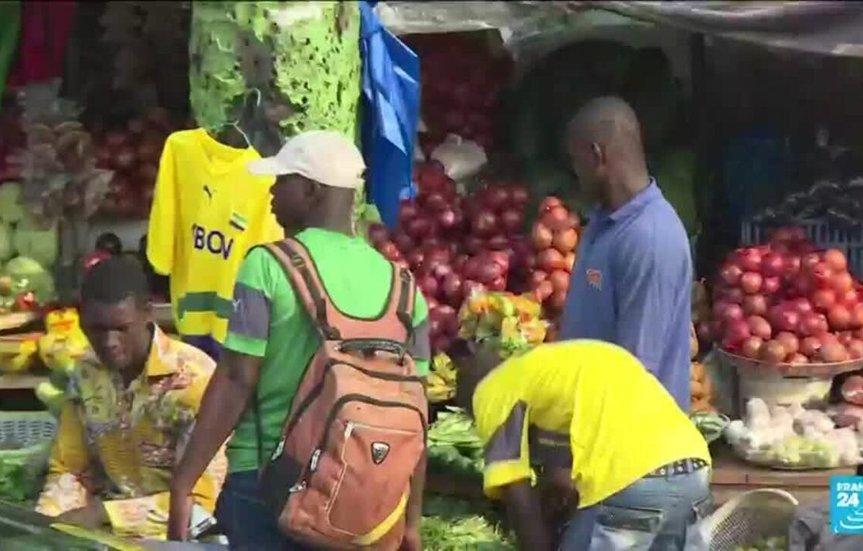
International trade in Gabon is dominated by oil exports, shipped to countries like China, the United States, and France. Other important exports include manganese, timber, and uranium. Imports mainly consist of food, machinery, construction materials, and manufactured goods from trade partners such as France, Belgium, China, and other CEMAC countries. The Port‑Gentil refinery and Libreville’s seaport are integral to export logistics, while the Trans‑Gabon Railway facilitates mineral transport from inland areas to seaports. Government policies aim to buffer the economy from oil price shocks by encouraging investment in mining, forestry, and tourism.
Labour and taxation
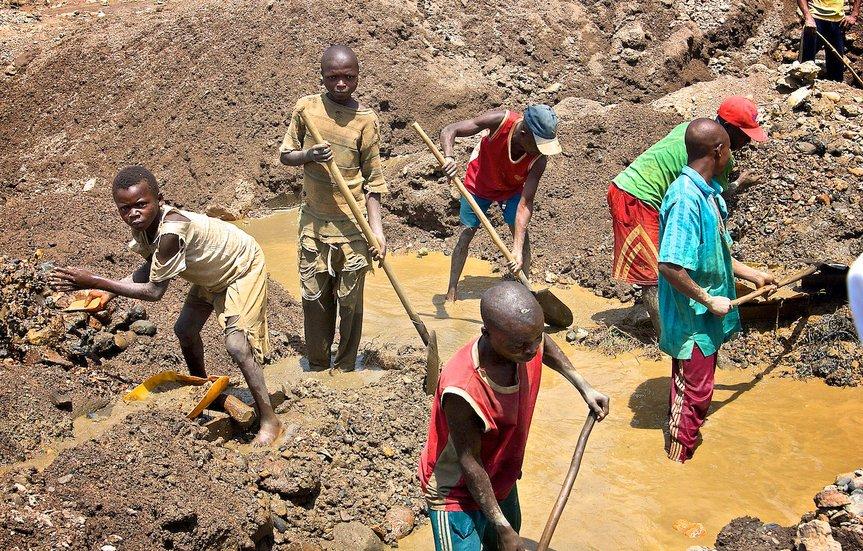
Gabon’s labor force is modest in size and dominated by public sector employment alongside oil and mining jobs. Youth unemployment and underemployment remain persistent problems, especially outside Libreville. Informal work market trade, transportation, artisanship is common. Tax policy includes corporate and personal taxes, import duties, and VAT. Tax incentives are offered in SEZs to attract private investment. Social security contributions finance healthcare, pensions, and family support. Legal reforms are underway to modernize the labor code, encourage entrepreneurship, and gradually shift the economy from public to private-led growth.
Transportation and telecommunications
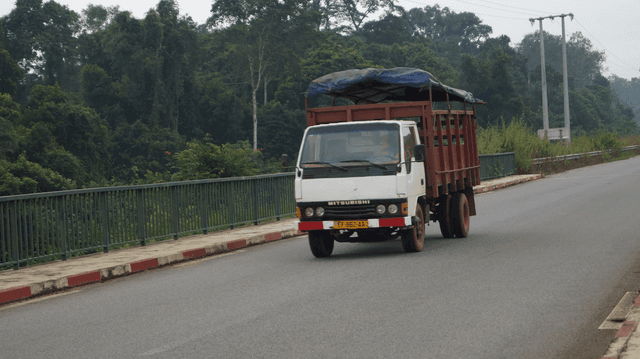
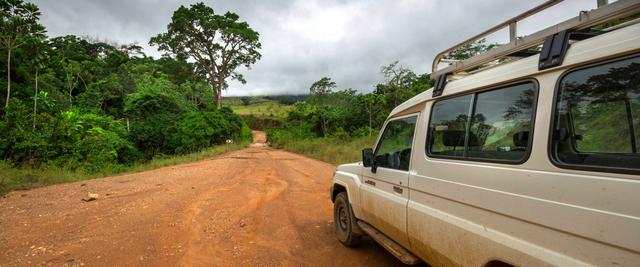
Gabon’s transport infrastructure is a mix of developing highways, railways, river connections, and air travel. The Trans‑Gabon Railway provides critical access between Libreville and manganese-rich regions near Franceville, supporting mineral export flows. Major paved highways link key cities, but many roads remain unpaved and impassable during rainy seasons. Port‑Gentil is accessible via air and sea only, emphasizing its offshore- and oil-sector dependency. Telecommunications are gradually expanding major urban areas now enjoy cell service and internet access, but rural coverage remains spotty. Broadband initiatives and mobile data platforms are gradually improving connectivity.